

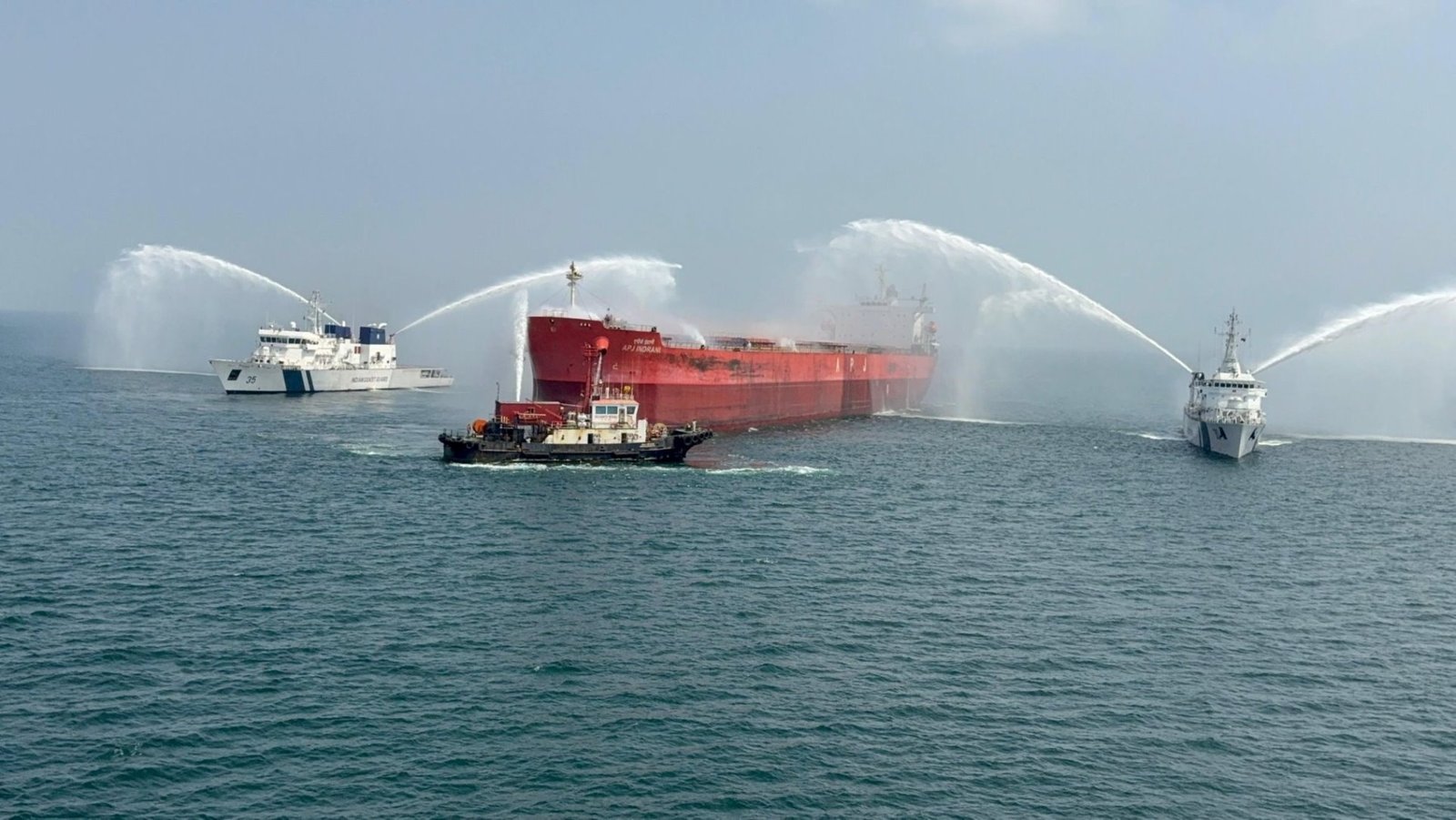
Fujairah, UAE: A fire broke out at the Fujairah Oil Industry Zone (FOIZ), a critical component of the UAE’s energy infrastructure, following reports of a drone strike attributed to Iran. UAE authorities described the incident as resulting from a drone attack, with civil defence teams responding to contain the blaze. No major casualties have been widely confirmed in initial reports, though some accounts mention injuries.
This development comes against the backdrop of an ongoing, fragile post-ceasefire environment in the broader 2026 Iran conflict, which erupted in late February following US-Israeli strikes on Iranian targets. While a US-Iran ceasefire was announced in early April, sporadic incidents involving drones, missiles, and maritime targets have persisted, highlighting the volatility of the region.
Context and Incident Details
Fujairah, located on the UAE’s east coast along the Gulf of Oman, serves as a vital alternative export route bypassing the Strait of Hormuz. It is one of the world’s largest bunkering and oil storage hubs, handling significant volumes of crude and petroleum products. The port and adjacent industrial zone have been targeted multiple times during the conflict, often with fires attributed by UAE officials to falling debris from intercepted Iranian drones or missiles rather than direct impacts.
According to the Fujairah Government Media Office and various reports circulating today, air defense systems were activated in response to incoming threats. The UAE Ministry of Defence has reported intercepting multiple projectiles, including loitering munitions or cruise missiles, with at least one incident linked to a fire at the petroleum facility. Separate reports mention a drone strike on an ADNOC-related tanker in or near the Strait of Hormuz earlier in the sequence of events.
Social media and real-time posts show plumes of smoke and emergency responses, echoing previous incidents in March and April 2026 where similar strikes led to temporary suspensions of oil-loading operations. Operations were often resumed shortly after, but repeated disruptions have raised concerns about supply chain stability.
Iran has not issued an immediate official claim of responsibility for today’s specific incident in verified channels, consistent with patterns where proxies or unattributed actions are used. Earlier in the conflict, Iran conducted widespread retaliatory strikes across Gulf states hosting US assets.
Broader Conflict Background
The 2026 Iran war began with intense US-Israeli operations targeting Iranian leadership, nuclear, and military sites. Iran responded with barrages of drones and missiles against Israel, U.S. bases, and Gulf neighbours including the UAE, Saudi Arabia, and others. The UAE reported intercepting hundreds of projectiles, with civilian and limited military casualties.
Multiple drone incidents in March 2026 caused fires and operational halts, with debris from interceptions cited as the cause.
Further strikes in April affected energy and port infrastructure.
The Strait of Hormuz remains a flashpoint, with disruptions affecting global oil flows. Oil prices have reacted sensitively to these events, spiking on news of attacks.
Official Responses and Implications
UAE authorities have emphasized rapid containment and resilience of defences. The country has strengthened ties with the U.S. and Israel in the wake of the conflict while maintaining diplomatic channels where possible.
No independent verification of a large-scale “missile barrage” causing direct refinery destruction matching the user’s ‘breaking news’ phrasing was found in major outlets at the time of reporting; accounts point more to drone activity and interception-related incidents. A cargo ship or tanker incident appears linked to separate maritime events in the area.
Global markets are monitoring developments closely, as further instability could exacerbate energy supply concerns amid already disrupted flows. Analysts note that while direct hits on major facilities have been limited by defences, the cumulative effect on operations and investor confidence is significant.
This article is based on cross-verified reports from Reuters, Bloomberg, local UAE media offices, Wikipedia summaries of events, and real-time social media from credible observers as of May 4, 2026. The situation remains fluid, with potential for rapid updates. Further confirmation from official sources is advised.

contact: drrajeshjauhri@gmail.com
Dr Rajesh Jauhri is a Journalist with an experience of over 25 years in Indian and foreign media, a Social Scientist, an Ac-complished Author, a Political & Strategic Analyst, a Marksman (Rifle & Pistol), an Orator, a Thinker and an Educationist. He holds a Ph.D. degree on “Impact of colonial heritage on Indian police”. He runs an NGO dedicated to the social and eco-nomic uplift of tribal communities in MP and two decades back, he established a school in a village of Indore district, providing education and moral values to children belonging to underprivileged and minority families. Has received multiple awards in various fields.