
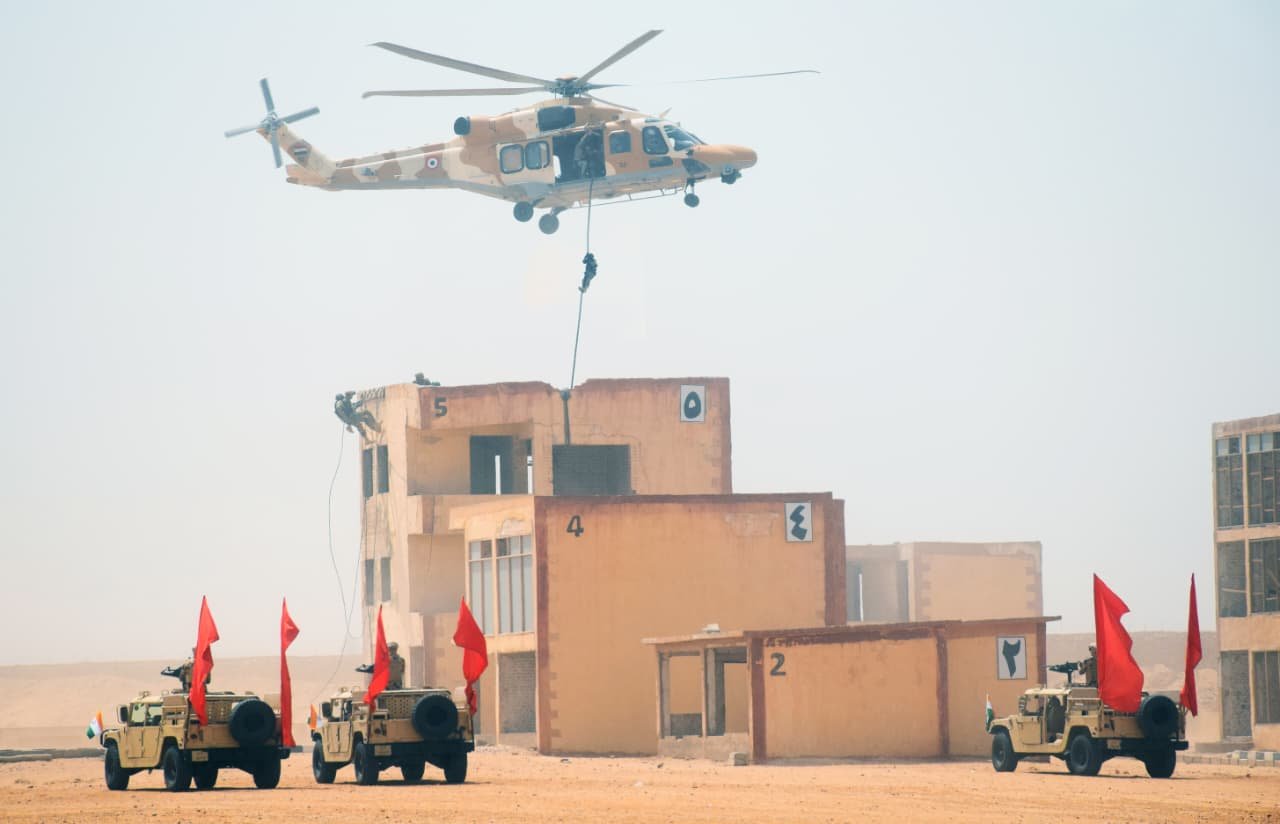
Cairo: The fourth edition of joint military training exercise “Cyclone-4” between Egypt and India, has recently concluded in Egypt. This bilateral drill involving Special Forces of both the countries is considered a very important phenomenon in the Geo-politics. The exercise, which ran started on April 9, at the Rangers Forces Headquarters in Anshas, underscored the deepening defence cooperation between the two nations and their commitment to enhancing interoperability in complex operational environments.
According to statements from the Egyptian military spokesman, the activities wrapped up following several days of high-intensity training involving elite units from both armies. The Indian contingent, comprising approximately 25 personnel drawn from the Indian Army’s Para (Special Forces), trained alongside their Egyptian counterparts, primarily from the Thunderbolt (Sa’qa) Special Forces units. The drill focused on special operations tactics in desert and semi-desert terrain, reflecting the shared operational challenges faced by both countries in arid regions.
Key components of Cyclone-4 included joint mission planning, close-quarter combat drills, special reconnaissance, counter-terrorism operations, hostage rescue scenarios, and the exchange of best practices in unconventional warfare. The exercise began with orientation lectures aimed at harmonising operational doctrines, followed by practical demonstrations of weapons, equipment, and tactical procedures. Realistic combat simulations formed the core of the training, allowing participants to refine coordination and decision-making under simulated stress conditions.
This edition built upon the success of previous iterations, with the third edition held in February 2025 at the Mahajan Field Firing Ranges in Rajasthan, India. The rotational format of the exercise ensures exposure to diverse terrains and operational philosophies, fostering mutual professional growth.
Defence analysts view Cyclone-4 as a significant milestone in India-Egypt strategic partnership. Both nations have strengthened military ties in recent years through high-level visits, defence industry collaboration, and regular participation in multilateral forums. The exercise not only enhances combat readiness but also promotes trust and camaraderie between the forces, which is vital for potential future joint operations in regional security scenarios.
A senior Indian Army officer who had been associated with the contingent noted that such drills play a crucial role in building seamless interoperability, particularly in countering asymmetric threats and transnational terrorism. Egyptian officials echoed similar sentiments, highlighting the professionalism displayed by both sides and the advanced capabilities demonstrated during the training.
The conclusion of Cyclone-4 comes at a time when global security dynamics are evolving rapidly. For India, the exercise aligns with its broader outreach to key partners in West Asia and Africa. For Egypt, it reinforces its position as a capable regional military power open to constructive international defence engagement.
As the participating troops return to their respective units, the lessons learned from Cyclone-4 are expected to be integrated into future training cycles. Both armies have expressed confidence that the exercise has further elevated the level of bilateral defence cooperation, paving the way for more ambitious joint initiatives in the years ahead.
In an era of strategic uncertainty, exercises like Cyclone serve as tangible demonstrations of how professional militaries can collaborate effectively to safeguard shared interests and maintain stability in an interconnected world.
contact: drrajeshjauhri@gmail.com
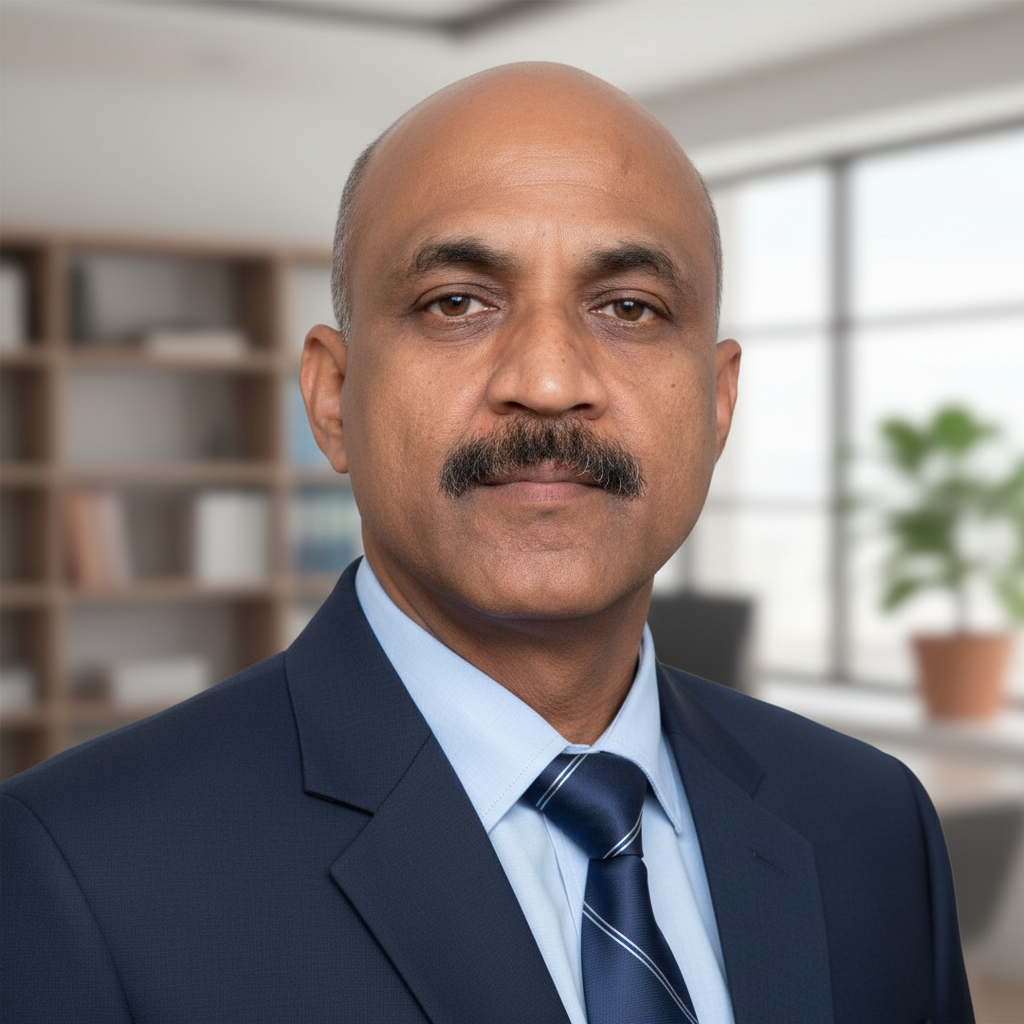
Dr Rajesh Jauhri is a Journalist with an experience of over 25 years in Indian and foreign media, a Social Scientist, an Ac-complished Author, a Political & Strategic Analyst, a Marksman (Rifle & Pistol), an Orator, a Thinker and an Educationist. He holds a Ph.D. degree on “Impact of colonial heritage on Indian police”. He runs an NGO dedicated to the social and eco-nomic uplift of tribal communities in MP and two decades back, he established a school in a village of Indore district, providing education and moral values to children belonging to underprivileged and minority families. Has received multiple awards in various fields.