

Mhow: The results of the 2026 West Bengal Assembly elections have marked a significant turning point not only in the state’s politics but also in the framework of national security in India. After the prolonged rule of the Trinamool Congress, this transition of power is particularly relevant given the sensitivity of the eastern border. Considering the strategic importance of the Siliguri Corridor (Chicken’s Neck), the Bangladesh border, and the geopolitical positioning of the north-eastern states, this development has become a subject of in-depth analysis for security experts.
In recent years, the large-scale deployment of Central Armed Police Forces and the active intervention of the Ministry of Home Affairs have contributed to improving law and order in West Bengal, while also ensuring the fairness of the electoral process. Initiatives like SIR focused on the accuracy of voter lists, which had long been a subject of controversy. These efforts strengthened the democratic process and provided a large section of the population with an opportunity to choose alternative political options.
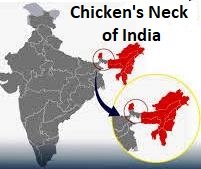
From a national security perspective, one of the major concerns has been illegal infiltration from Bangladesh. Reports of counterfeit currency circulation, intelligence activities in border areas, and demographic changes around the Siliguri Corridor have remained matters of concern for security agencies. The Chicken’s Neck region represents a strategic vulnerability for India, where any disruptive activity could sever connectivity with the northeastern states. Open expressions of such ideas by elements like Sharjeel Imam, along with alleged involvement of Pakistan’s ISI, have further highlighted the seriousness of this threat. The state government’s continued criticism of central agencies, the army, and the Election Commission during this period also exposed a lack of institutional trust amid these challenges.
With the new government, there is an expectation of improved coordination between the Centre and the state in strengthening border management, preventing infiltration, and enhancing intelligence mechanisms. Completing border fencing along the Bangladesh frontier, identifying and deporting illegal migrants, and adopting a stricter approach toward counter-terrorism operations are anticipated measures. This shift is expected to strengthen not only West Bengal’s security but also that of the entire Northeast, where both economic development and strategic stability remain key priorities.
However, challenges persist. Any government will need to implement security policies while respecting regional sensitivities, maintaining the trust of minority communities, and preserving Bengal’s cultural identity. National security is not merely a political slogan but a matter requiring constant vigilance, coordination, and strategic foresight.
If this new chapter in West Bengal moves forward with strong Centre-state cooperation and strict border management, it could help realize the vision of “One India, Great India” along the eastern frontier as well. Security experts will now closely watch the policies of the new government and their implementation.

contact: drrajeshjauhri@gmail.com
Dr Rajesh Jauhri is a Journalist with an experience of over 25 years in Indian and foreign media, a Social Scientist, an Ac-complished Author, a Political & Strategic Analyst, a Marksman (Rifle & Pistol), an Orator, a Thinker and an Educationist. He holds a Ph.D. degree on “Impact of colonial heritage on Indian police”. He runs an NGO dedicated to the social and eco-nomic uplift of tribal communities in MP and two decades back, he established a school in a village of Indore district, providing education and moral values to children belonging to underprivileged and minority families. Has received multiple awards in various fields.