

New Delhi: Leader of the Opposition Rahul Gandhi visited Great Nicobar Island on 28 April and described the Central Government’s ambitious ₹92,000 crore development project as ‘one of India’s biggest scams’. He stated that the project would destroy 160 square kilometres of rainforest and pose a serious threat to tribal communities, particularly the Shompen hunter-gatherer tribe.
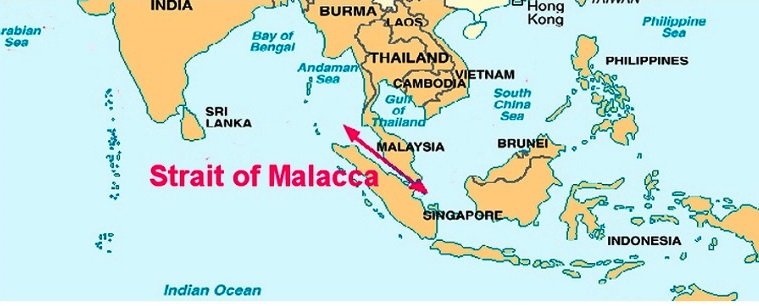
This project is an important component of India’s Indo-Pacific strategy. It envisages development across a total area of 166 square kilometres, including a transshipment port, international airport, power plant, and townships. The objective is not only to generate local employment and promote economic development but also to reduce dependence on foreign ports and strengthen the presence of the Indian Navy near the Strait of Malacca.
Strategic experts believe that in the midst of rising Indo-Pacific tensions and China’s increasing maritime activities, the development of Great Nicobar is essential for national security. The area is strategically important. Strong port and logistics facilities will provide India with the capability for long-range surveillance, rapid response, and maritime trade security in the region. Those who claim that this will allow us to ‘choke’ the Malacca Strait like Hormuz are making an oversimplification. In reality, this project is a balanced effort towards defence capability building and economic self-reliance, and not a plan to obstruct any single sea route. A thorough examination of the matter reveals that no leader or representative of the government has ever stated that the objective of this project is to obstruct the Malacca Strait in any manner. The confusion was first spread by a blogger based abroad, after which the Leader of Opposition Rahul Gandhi, following his visit to the area, issued such a statement.
The concerns of environmentalists and critics also cannot be ignored. It is estimated that millions of trees may be felled under the project and the delicate ecosystem will be affected. It is the government’s responsibility to ensure the protection of the rights of sensitive tribes like the Shompen and their traditional way of life.
Finding a balance between development and conservation is challenging. A developing nation like India needs infrastructure development for national security and economic progress, but it is essential to implement environmental impact assessment, rehabilitation, and tribal consent in a transparent manner.
The Great Nicobar Project is not merely an island development scheme but a symbol of India’s growing role in 21st-century geopolitics. The criticism by the opposition is part of the democratic process, but national interests should be placed above emotional politics. With cautious implementation and scientific monitoring, this project can strengthen India’s maritime power and regional stability.

contact: drrajeshjauhri@gmail.com
Dr Rajesh Jauhri is a Journalist with an experience of over 25 years in Indian and foreign media, a Social Scientist, an Ac-complished Author, a Political & Strategic Analyst, a Marksman (Rifle & Pistol), an Orator, a Thinker and an Educationist. He holds a Ph.D. degree on “Impact of colonial heritage on Indian police”. He runs an NGO dedicated to the social and eco-nomic uplift of tribal communities in MP and two decades back, he established a school in a village of Indore district, providing education and moral values to children belonging to underprivileged and minority families. Has received multiple awards in various fields.