
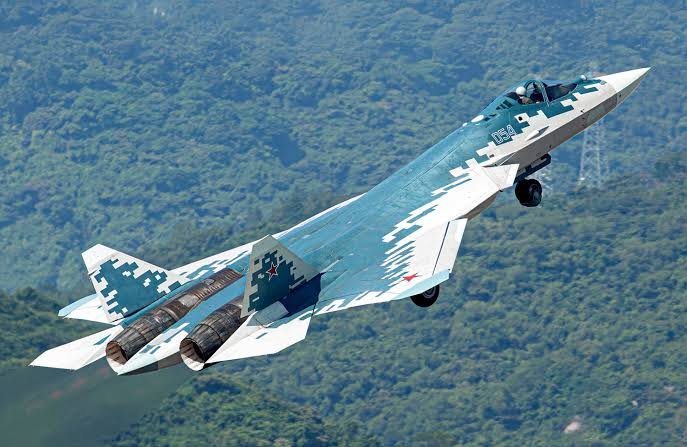
India’s Defence Secretary Rajesh Kumar Singh has firmly ruled out any near-term plans to acquire Russia’s Su-57 fifth-generation fighter, stating that New Delhi is not considering new Sukhoi variants. In a recent interview, Singh declared: “No, we have not thought about Sukhois… If you are asking about the new version of the Sukhois, the answer is No.”
Keywords: India Su-57 rejection, Super Sukhoi upgrade, Rajesh Kumar Singh interview, Su-30MKI modernisation, AMCA fighter programme, Defence Secretary statement
Instead, the focus remains squarely on modernising the Indian Air Force’s existing fleet of approximately 260 Su-30MKI fighters under the Super Sukhoi programme. The first phase is expected to cover 84 aircraft, equipping them with indigenous AESA radars, advanced avionics, electronic warfare suites, and longer-range weapons. Officials describe the Su-30MKI as a proven success story, particularly after the integration of BrahMos missiles, and view the upgrade as a cost-effective way to enhance combat capability while increasing domestic content.
This stance aligns with India’s broader air-power strategy, which prioritises the Multi-Role Fighter Aircraft programme involving additional Rafales and the indigenous Advanced Medium Combat Aircraft (AMCA) for true fifth-generation capability. The decision comes against the backdrop of regional developments, including China’s deployment of J-20 and emerging J-35A stealth platforms, yet reflects a calculated preference for upgrading proven platforms over introducing an unproven foreign stealth fighter.
Recurring media reports suggesting India is evaluating 80-100 Su-57Ms have circulated periodically, often resurfacing every few weeks despite official clarity. Singh’s unambiguous remarks effectively close the door on such speculation for the present. Russia has continued to pitch the aircraft with offers of local production and technology access, but New Delhi appears determined to avoid further entanglement that could invite sanctions risks similar to those associated with the S-400 system.
By channelling resources into Super Sukhoi upgrades and indigenous programmes, India is reinforcing operational readiness of its backbone fighter fleet while advancing self-reliance goals. The Defence Secretary’s statement provides much-needed clarity amid persistent speculation and underscores a pragmatic approach to force modernisation. Despite being a media house, ‘Defence Chronicle’ wishes to present another view on the speculations over Su-57 purchase, often in the Indian and foreign media. There is a possibility that the fighter jet company may have been funding some persons so that they keep the issue of this deal open in front of the world. In such a condition, even if India doesn’t purchase the jet, other nations may express interest after realising that India is making such a big deal for this fighter jet.
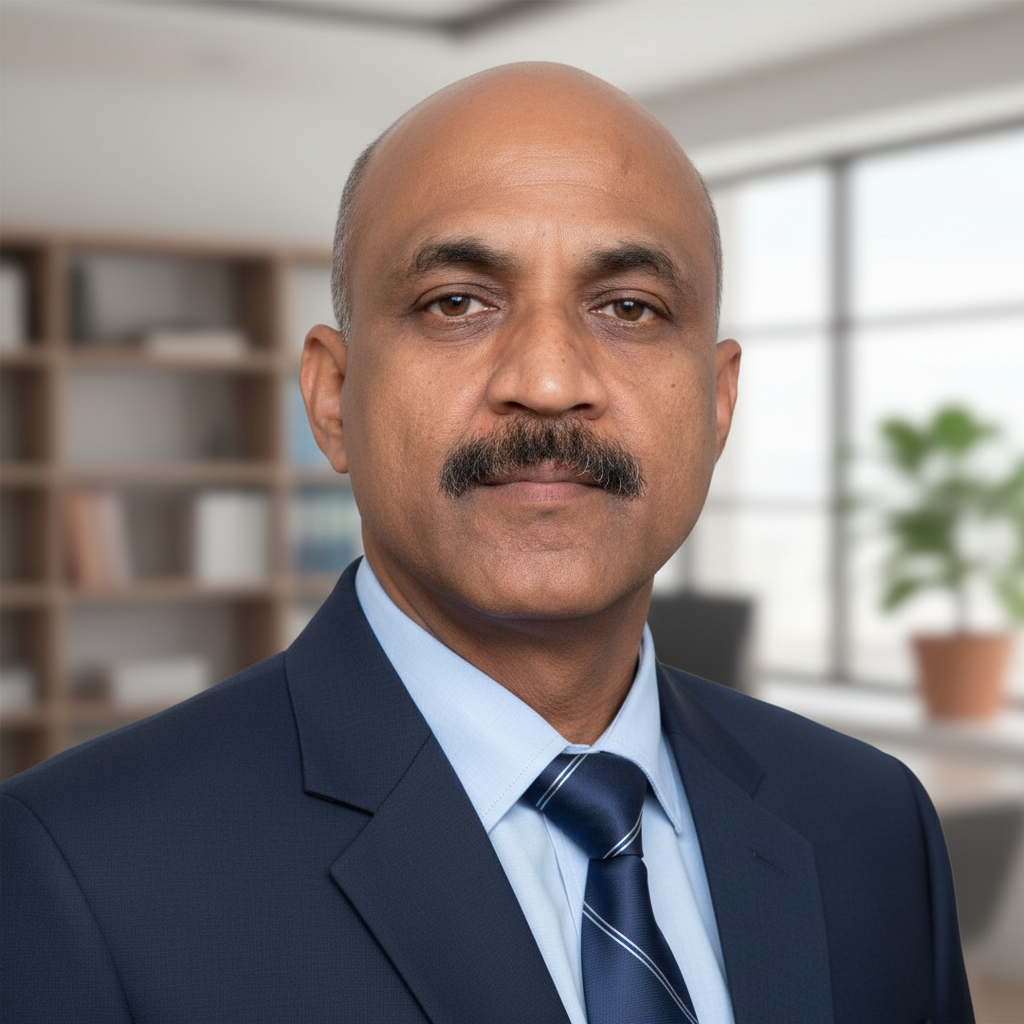
contact: drrajeshjauhri@gmail.com
Dr Rajesh Jauhri is a Journalist with an experience of over 25 years in Indian and foreign media, a Social Scientist, an Ac-complished Author, a Political & Strategic Analyst, a Marksman (Rifle & Pistol), an Orator, a Thinker and an Educationist. He holds a Ph.D. degree on “Impact of colonial heritage on Indian police”. He runs an NGO dedicated to the social and eco-nomic uplift of tribal communities in MP and two decades back, he established a school in a village of Indore district, providing education and moral values to children belonging to underprivileged and minority families. Has received multiple awards in various fields.