
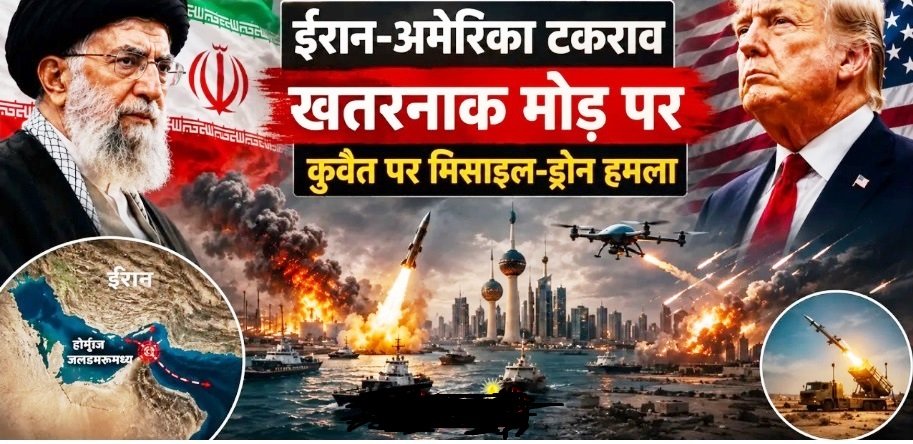
U.S. Central Command (CENTCOM) forces successfully intercepted two Iranian ballistic missiles targeting American personnel in Kuwait late on Sunday, in a sharp escalation that has strained the fragile regional ceasefire agreement in place since April 8.
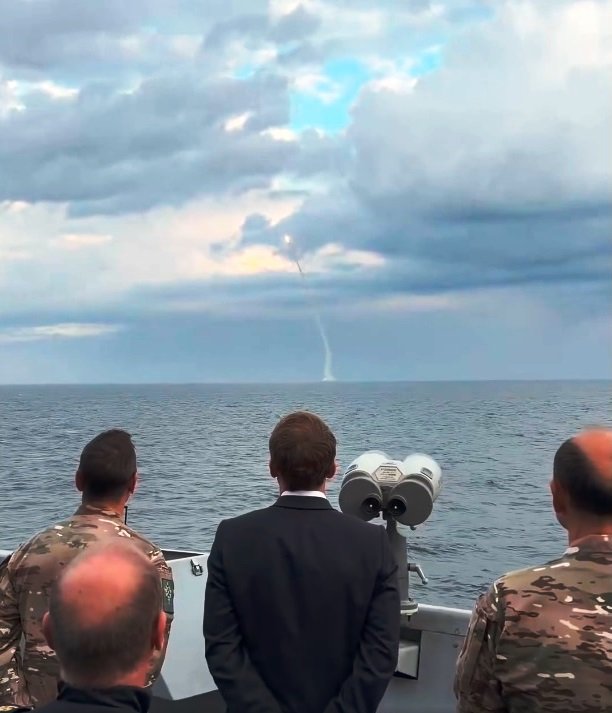
According to CENTCOM, the intercepts occurred at approximately 11 pm ET as Kuwaiti air defences simultaneously engaged additional drones and missiles in what officials described as a coordinated Iranian attack. No American or Kuwaiti casualties were reported, and the incoming threats were neutralized before reaching their targets.
The incident follows a rapid sequence of events over the weekend. Iranian forces reportedly downed an American drone on Saturday, prompting US self-defence airstrikes against Iranian military sites. Tehran’s Islamic Revolutionary Guard Corps (IRGC) subsequently claimed that its Sunday strike successfully hit a base on Sirik Island that had been used for recent US operations, though these assertions could not be independently verified.
In an official statement, CENTCOM emphasized resolve while underscoring commitment to de-escalation. “US forces successfully intercepted two Iranian ballistic missiles targeting American forces based in Kuwait. These missiles were immediately defeated and no American personnel were harmed. US Central Command remains vigilant and will continue to protect our forces from Iranian aggression while supporting the ongoing ceasefire.”
The exchange represents the most serious breach of the April 8 ceasefire, which had temporarily eased tensions in the Gulf. Diplomatic efforts to extend the truce and facilitate the reopening of the Strait of Hormuz, a critical chokepoint for global oil shipments, have stalled in recent weeks. Analysts warn that repeated violations risk spiralling into broader confrontation.
Regional reactions have been swift and largely critical of Iran. Both Saudi Arabia and the United Arab Emirates issued strong condemnations, urging all parties to exercise restraint and return to dialogue. The attacks have heightened concerns among Gulf Cooperation Council members about the security of US bases and the stability of energy infrastructure across the region.
This latest flare-up underscores the precarious nature of U.S.-Iranian dynamics in the Gulf. While Washington continues to stress its defensive posture, military officials have signalled that further provocations will be met with proportionate responses. As diplomatic channels remain active but unproductive, the coming days will test whether the fragile ceasefire can be salvaged or whether the region is headed toward renewed hostilities.

contact: drrajeshjauhri@gmail.com
Dr Rajesh Jauhri is a Journalist with an experience of over 25 years in Indian and foreign media, a Social Scientist, an Ac-complished Author, a Political & Strategic Analyst, a Marksman (Rifle & Pistol), an Orator, a Thinker and an Educationist. He holds a Ph.D. degree on “Impact of colonial heritage on Indian police”. He runs an NGO dedicated to the social and eco-nomic uplift of tribal communities in MP and two decades back, he established a school in a village of Indore district, providing education and moral values to children belonging to underprivileged and minority families. Has received multiple awards in various fields.