

Our New Delhi Correspondent
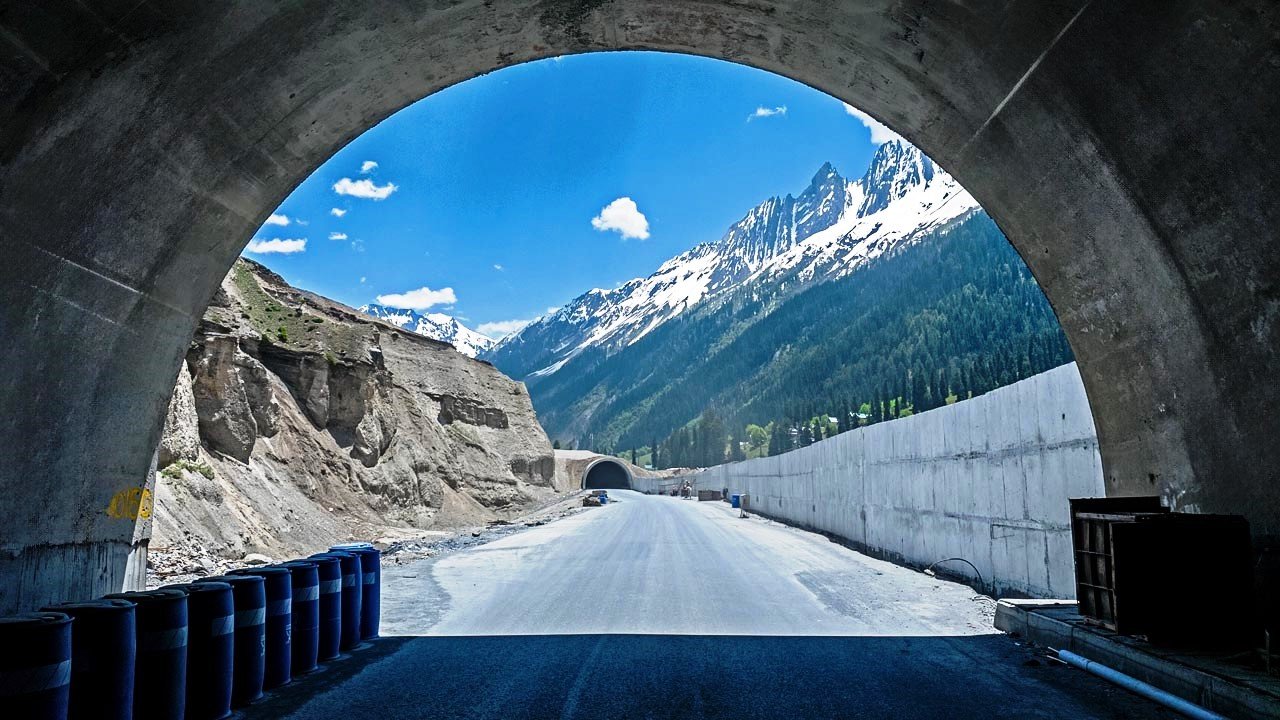
India’s ambitious Zojila Tunnel project is on the cusp of a major engineering milestone, with only 210 metres of excavation remaining before the two ends of the tunnel meet. The breakthrough, expected in the coming weeks, marks a decisive step towards providing year-round road access between the Kashmir Valley and Ladakh.
Officially known as the Zojila Tunnel, this 13.15-kilometre bi-directional, two-lane highway tunnel, set to become Asia’s longest at such extreme altitude, is being constructed at an elevation of approximately 11,500 to 12,000 feet. Executed by Megha Engineering and Infrastructures Ltd (MEIL), the project carries an approved cost of around ₹6,800 crore. Full operationalisation is targeted for 2028.
For decades, the iconic yet treacherous Zojila Pass on the Srinagar-Leh National Highway (NH-1) remained a seasonal chokepoint. The 49-km stretch over the pass, prone to heavy snowfall, avalanches, and landslides, typically closed for six to seven months every winter, isolating Ladakh and severely restricting movement. Crossing the pass often took over three hours under hazardous conditions, with vehicles crawling at low speeds and frequent disruptions to essential supplies.
Once completed, the Zojila Tunnel will slash travel time across the section to approximately 15 minutes, reduce the distance slightly, and ensure all-weather connectivity when combined with the already operational Z-Morh Tunnel. This transformation promises substantial economic dividends through boosted tourism, trade, and regional integration.
From a defence perspective, the tunnel holds profound strategic significance. It will enable reliable, year-round logistics support for the Indian Armed Forces, facilitating swift movement of troops, equipment, and supplies to forward areas along the Line of Actual Control. Senior military planners have long viewed the project as critical for maintaining operational readiness in Ladakh, especially amid heightened border sensitivities. The impending breakthrough symbolises not just an engineering triumph but a leap in India’s border infrastructure development, reinforcing both national security and economic resilience in one of the world’s most challenging terrains.

contact: drrajeshjauhri@gmail.com
Dr Rajesh Jauhri is a Journalist with an experience of over 25 years in Indian and foreign media, a Social Scientist, an Ac-complished Author, a Political & Strategic Analyst, a Marksman (Rifle & Pistol), an Orator, a Thinker and an Educationist. He holds a Ph.D. degree on “Impact of colonial heritage on Indian police”. He runs an NGO dedicated to the social and eco-nomic uplift of tribal communities in MP and two decades back, he established a school in a village of Indore district, providing education and moral values to children belonging to underprivileged and minority families. Has received multiple awards in various fields.
Today’s Most Important: נערות ליווי אישיות
салон тату и пирсинга тату салон цены