

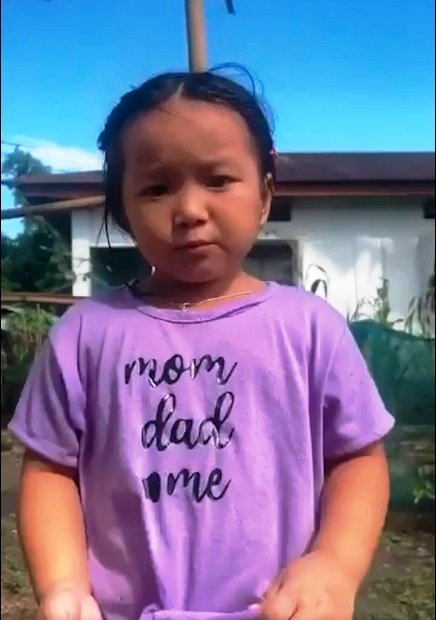
A short video by a young girl from Itanagar, Arunachal Pradesh, has resonated widely across social media, offering a poignant reminder of the lived realities of identity in India’s Northeast amid persistent external claims and internal stereotypes. In the clip, the child calmly but firmly addresses being asked whether she was Chinese. “We are Indians too… When you call us Chinese, we get very angry and very sad. Call us Indian. We are from India. We live in Itanagar,” she states, articulating both personal hurt and collective assertion.
Keywords: Arunachal Pradesh identity, Northeast India stereotypes, Indian national unity, China Arunachal claims, viral Arunachal girl video, national integration India
The video, which has circulated extensively on platforms including X and Instagram, has drawn praise for its clarity and emotional honesty. Viewers have described it as heart-warming yet powerful, noting that no child should feel compelled to defend her nationality. Beyond the personal dimension, the moment carries broader strategic significance. China continues to claim Arunachal Pradesh as “South Tibet,” a position New Delhi has consistently rejected as baseless. In this context, the girl’s straightforward affirmation of Indian identity serves as an organic counter-narrative, underscoring the deep-rooted sense of belonging among the state’s residents.
People from the Northeast have long faced racial stereotyping within India, frequently being mistaken for foreigners on the basis of physical features. Such experiences highlight gaps in national awareness even as the region remains central to India’s security calculus along the Line of Actual Control. The viral response has prompted calls for greater sensitivity and respect toward the country’s diverse communities, reinforcing that national unity is not merely a policy objective but a daily social practice.
For observers of defence and strategic affairs, the episode illustrates how soft power and societal resilience complement hard security measures. A child’s unscripted plea for recognition as Indian quietly bolsters the larger narrative of territorial integrity and inclusive nationhood. It is a timely reminder that the strength of India’s frontiers ultimately rests on the confident identity of its people.

contact: drrajeshjauhri@gmail.com
Dr Rajesh Jauhri is a Journalist with an experience of over 25 years in Indian and foreign media, a Social Scientist, an Ac-complished Author, a Political & Strategic Analyst, a Marksman (Rifle & Pistol), an Orator, a Thinker and an Educationist. He holds a Ph.D. degree on “Impact of colonial heritage on Indian police”. He runs an NGO dedicated to the social and eco-nomic uplift of tribal communities in MP and two decades back, he established a school in a village of Indore district, providing education and moral values to children belonging to underprivileged and minority families. Has received multiple awards in various fields.