


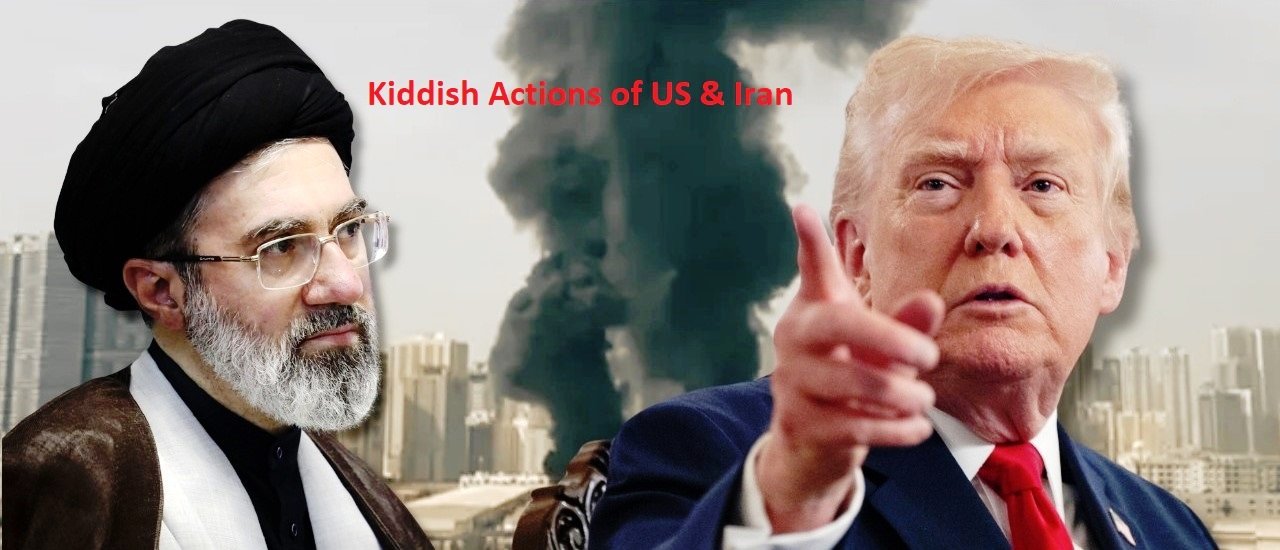
In a troubling display of reciprocal aggression, the United States and Iran have once again plunged the strategically vital Strait of Hormuz into crisis, reminding the international community that great power rivalry can sometimes devolve into reckless, schoolyard-like confrontation. The latest exchange underscores a dangerous pattern where both sides prioritize immediate retaliation over strategic restraint, leaving the world to bear the economic and security costs.
Keywords: US-Iran strikes 2026, Strait of Hormuz crisis, M/T Kiku tanker attack, Trump Iran retaliation, global oil security Hormuz, childish geopolitics US Iran
According to U.S. Central Command (CENTCOM), American Navy and Air Force aircraft conducted precision strikes on approximately ten Iranian military targets on June 27, 2026. These included missile and drone storage facilities, coastal radar sites, air defence systems, surveillance infrastructure, communication nodes, and minelayer capabilities near the Strait of Hormuz. The operation was a direct response to an Iranian Revolutionary Guard Corps (IRGC) one-way drone attack on the Panama-flagged oil tanker M/T Kiku, which was carrying over two million barrels of crude oil. President Donald Trump publicly announced the strikes and issued stern warnings of further action should Iran continue violating the fragile ceasefire.
Iran wasted little time in mounting a retaliatory barrage. Iranian forces launched missile and drone attacks targeting U.S. military installations, including Ali Al Salem Air Base in Kuwait and facilities associated with the U.S. Fifth Fleet at Mina Salman Port in Bahrain. Air raid sirens echoed across the region, and interception systems were activated to counter the incoming threats.
This cycle of provocation and counter-provocation reveals a troubling immaturity in high-stakes geopolitics. As one seasoned observer noted, both Washington and Tehran are behaving like “small non-serious kids,” with the entire world footing the bill for their kiddishness. The Strait of Hormuz, through which nearly a fifth of global oil trade passes, remains a flashpoint. Disruptions here have already triggered spikes in energy prices, heightened shipping insurance premiums, and fears of broader supply chain breakdowns, impacts felt acutely by import-dependent economies across Asia and Europe.
From a strategic standpoint, the exchanges risk eroding the fragile ceasefire established earlier in 2026. U.S. strikes aim to degrade Iran’s asymmetric capabilities in the Gulf, yet they also embolden hardliners in Tehran. Iran’s retaliation, while limited, signals its willingness to internationalize the conflict by targeting U.S. partners in the Gulf Cooperation Council. This tit-for-tat dynamic threatens to draw in regional actors and complicates diplomatic efforts toward de-escalation.
For global security, the implications are profound. Prolonged instability in the Gulf could embolden other adversaries, strain alliance systems, and divert military resources at a time when multiple theatres demand attention. Analysts warn that without swift multilateral intervention, perhaps through backchannel diplomacy or renewed UN engagement, the region risks sliding toward a wider confrontation with unpredictable consequences.
As the dust settles on the latest strikes, the international community must demand maturity from both capitals. Great power competition need not descend into childish brinkmanship. The world has paid enough for their playground quarrels.

contact: drrajeshjauhri@gmail.com
Dr Rajesh Jauhri is a Journalist with an experience of over 25 years in Indian and foreign media, a Social Scientist, an Ac-complished Author, a Political & Strategic Analyst, a Marksman (Rifle & Pistol), an Orator, a Thinker and an Educationist. He holds a Ph.D. degree on “Impact of colonial heritage on Indian police”. He runs an NGO dedicated to the social and eco-nomic uplift of tribal communities in MP and two decades back, he established a school in a village of Indore district, providing education and moral values to children belonging to underprivileged and minority families. Has received multiple awards in various fields.