

Pahalgam, Jammu and Kashmir
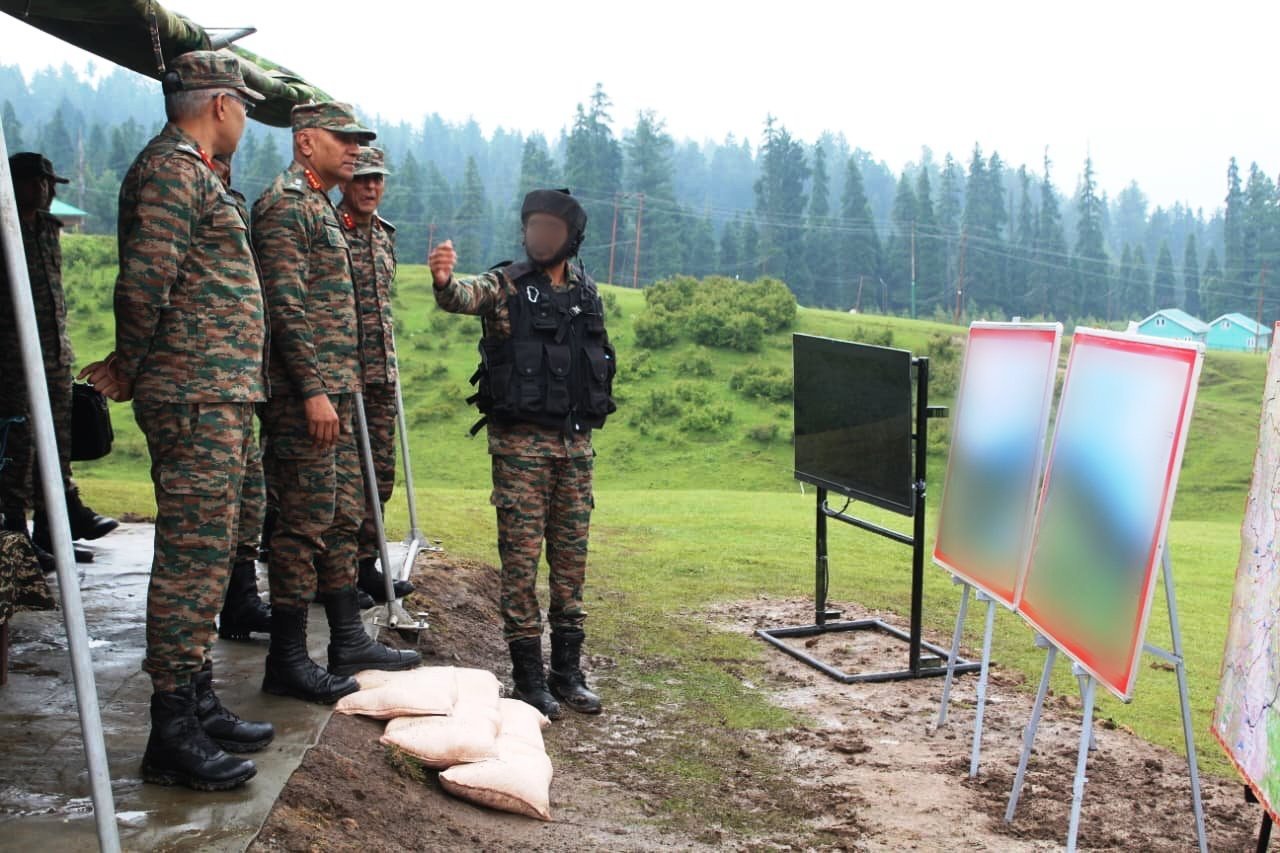
In a significant demonstration of operational readiness, Lt Gen Pratik Sharma, Commander of the Indian Army’s Northern Command, conducted a high-level review of security arrangements along the southern route of the Amarnath Yatra. The visit to Pahalgam and Chandanwari on June 18 underscored the Army’s proactive stance ahead of the pilgrimage’s commencement on July 3, 2026.
Accompanied by senior officers, Lt Gen Sharma assessed ground-level preparedness, terrain-specific challenges, and coordination mechanisms with other security agencies. The Northern Command emphasized seamless integration with all stakeholders, including the Jammu and Kashmir administration, Central Armed Police Forces (CAPF), and local police, to ensure a safe and incident-free Yatra. “The Indian Army remains steadfast in its commitment to facilitating a secure pilgrimage for devotees through vigilant measures and comprehensive planning,” the command stated.
The 2026 Yatra, expected to attract over 3.5 lakh registered pilgrims, will traverse the challenging 48-km Pahalgam and 14-km Baltal routes to the holy cave shrine at 3,888 meters. Authorities have sanctioned deployment of 670 CAPF companies, the highest ever, supplemented by Army troops securing strategic heights, specialized mountain rescue teams, surveillance enhancements, and mock drills involving sniffer dogs and anti-sabotage checks.
This heightened vigilance comes against the backdrop of the Yatra’s history of vulnerability to terrorist threats. Past incidents highlight the persistent risks: In August 2000, militants massacred over 30 pilgrims and locals at the Nunwan base camp near Pahalgam in a coordinated attack claimed by Hizbul Mujahideen and Lashkar-e-Tayyaba. Subsequent strikes in 2001 at Sheshnag Lake and other years claimed additional lives. The deadliest recent assault occurred in July 2017, when terrorists ambushed a bus in Anantnag district, killing eight pilgrims, mostly from Gujarat.
Despite these challenges, multi-layered security grids, improved infrastructure, and community support have enabled smoother conduct in recent years. Local leaders, including PDP chief Mehbooba Mufti, have called for Kashmiri hospitality toward Yatris, viewing the pilgrimage as a symbol of unity.
As the Army maintains a robust footprint across the region, the focus remains on mitigating threats from terrain, weather, and residual militancy. Lt Gen Sharma’s on-ground assessment signals a clear message: the forces are battle-ready to protect one of India’s most revered annual pilgrimages.

contact: drrajeshjauhri@gmail.com
Dr Rajesh Jauhri is a Journalist with an experience of over 25 years in Indian and foreign media, a Social Scientist, an Ac-complished Author, a Political & Strategic Analyst, a Marksman (Rifle & Pistol), an Orator, a Thinker and an Educationist. He holds a Ph.D. degree on “Impact of colonial heritage on Indian police”. He runs an NGO dedicated to the social and eco-nomic uplift of tribal communities in MP and two decades back, he established a school in a village of Indore district, providing education and moral values to children belonging to underprivileged and minority families. Has received multiple awards in various fields.