
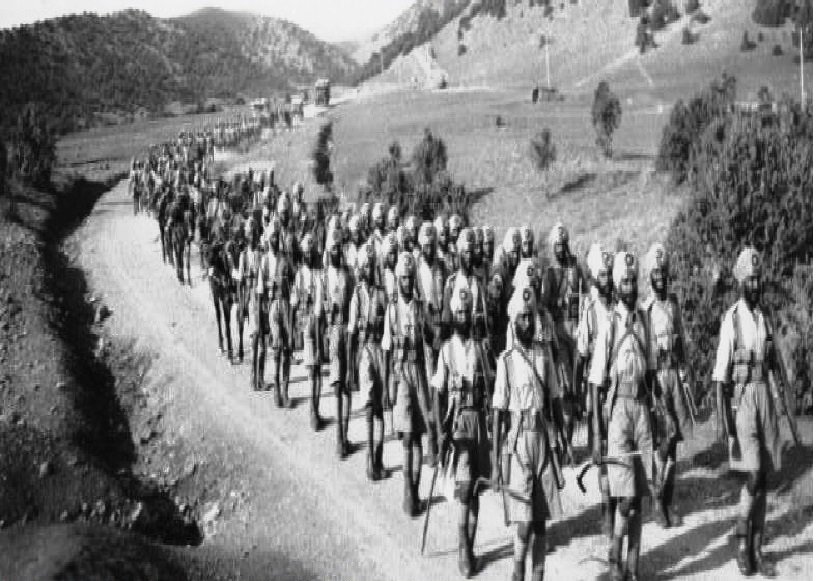
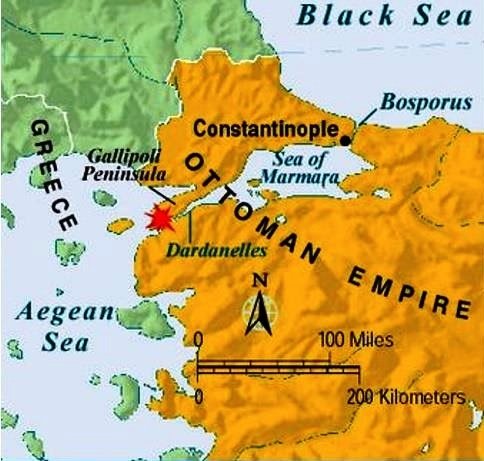
On June 4, 1915, amid the blood-soaked gullies of the Gallipoli Peninsula, the 4th Battalion of the Sikh Regiment (4 SIKH) etched one of the most heroic chapters in the annals of the Indian Army during the First World War. In what became the bloodiest day in the battalion’s history, the unit suffered devastating losses yet displayed unyielding courage that earned praise from the highest levels of Allied command.
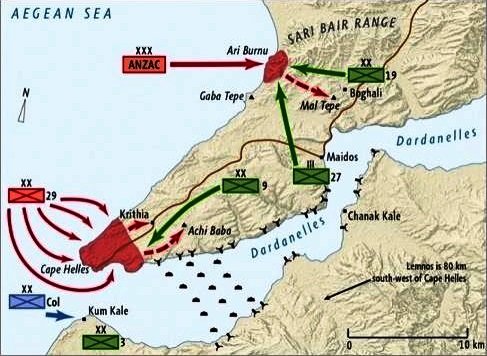
As part of the 29th Indian Brigade within the British 29th Division, 4 SIKH was tasked with a near-impossible frontal assault on Turkish trenches at the head of the Gully Spur during the Third Battle of Krithia. Advancing at noon across open ground in broad daylight, the Sikh soldiers faced uncut barbed wire, enfilading machine-gun fire, and plunging rifle fire from elevated Ottoman positions. Their thunderous battle cry of “Bole So Nihal, Sat Sri Akal” echoed through the ravine as they pressed forward, ultimately reaching and clearing enemy trenches in brutal close-quarters combat.
The cost was staggering. According to historical accounts, 15 officers and over 371 other ranks, approximately 82 percent of the battalion’s strength, were martyred in action. Despite devastating casualties and flanking units being forced back, the Sikhs refused to yield ground. Isolated groups fought to the last man in their Sangars, repeatedly braving enemy fire to evacuate casualties and resupply ammunition. The ends of enemy trenches were later found choked with the bodies of Sikhs and Turks who had clashed at bayonet point, while the slopes were dotted with the fallen soldiers lying face-down in the direction of their advance.
General Sir Ian Hamilton, Commander of the Mediterranean Expeditionary Force, later paid glowing tribute, “In the highest sense of the word extreme gallantry has been shown by this fine Battalion… Not an inch of ground was given up and not a single straggler came back.”
The battalion’s valour was recognised with 36 Indian Distinguished Service Medals (IDSMs) and 3 Indian Orders of Merit (IOMs). Their action formed part of the broader, often overlooked contribution of the Indian Expeditionary Force G at Gallipoli, where around 15,000 Indian troops, including mountain artillery, mule transport corps, and medical units, played a vital logistical and combat role in the rugged terrain.
More than a century later, the story of 4 SIKH at Gully Ravine remains a powerful reminder of the courage, discipline, and sacrifice of Indian soldiers in distant theatres of the Great War. As military historians continue to document these “forgotten” chapters, the legacy of such battalions continues to inspire the modern Indian Army.
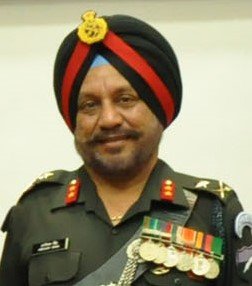
Major General Harvijay Singh is a third-generation officer, his two sons are also army officers.
He holds degree of B.Tech. and Master’s Degree in Management Sciences. He is a Certified Ethical Hacker and Cyber Forensic Investigator.
He is Member and Historian of the Punjab Military Literature Society, Chandigarh.
He has written books on Indo Pak Wars: 1948, 1965, 1971 – ‘Battles That Made History’, ‘Indo Pak War 1947-48’ (for Part D) and ‘Gallant Soldiers: Short Stories of Big Deeds’. He has also written Monographs on Grey Zone Warfare and Lessons Learnt from the Ukraine War. He is a regular contributor to Magazines on Military Strategy and Technology and a speaker on current Global Military events.
He is the winner of ARTRAC Scholar Warrior Badge for writing on Contemporary Military Thinking and Strategy.