


Mhow, Madhya Pradesh
In a compelling demonstration of the Army’s commitment to environmental stewardship, the Army War College (AWC), Mhow, spearheaded a significant tree plantation drive on World Environment Day, aligning seamlessly with the global theme “Inspired by Nature- For Climate, For Our Future.”
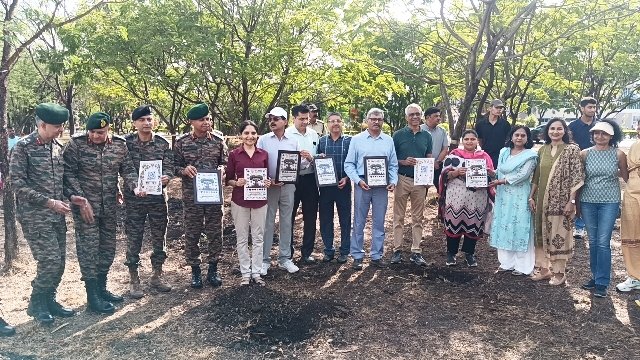
Under the banner of ‘Dhanwantari Aushadhi Vatika,’ a part of the Environmental Forestry Scheme 2026, army personnel planted a diverse array of medicinal saplings in collaboration with the Madhya Pradesh Forest Department’s Mhow Range and Indore Forest Division. A parallel initiative at the scenic Bercha Lake further extended the green footprint across the region.
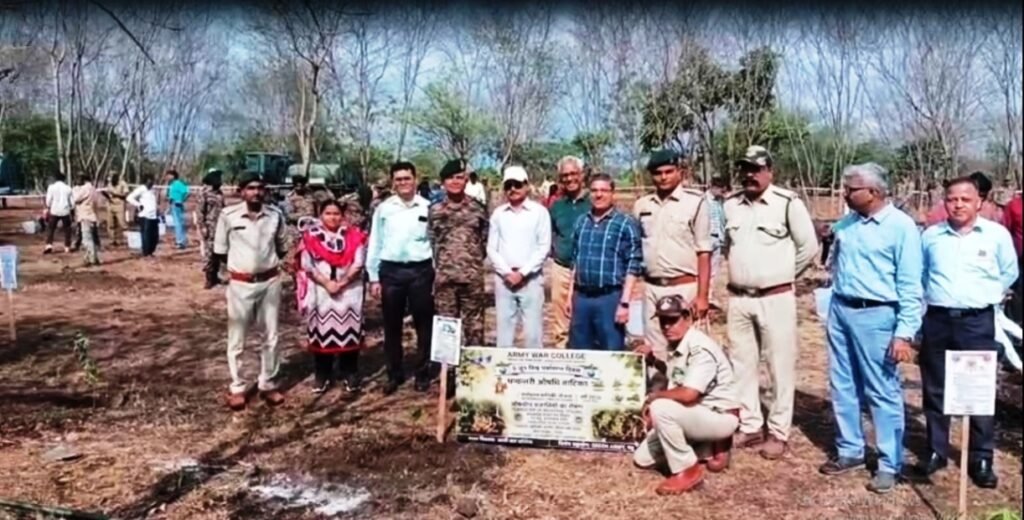
The drive focused on species of high therapeutic value, including Ashwagandha, Tulsi (Holy Basil), Amla (Indian Gooseberry), Aloe Vera, and Giloy. According to a release, the ambitious effort targets approximately 1,000 saplings representing around 50 medicinal plant species, with special emphasis on Rare, Endangered, and Threatened (RET) varieties. These plants not only bolster biodiversity but also underscore the vital role of traditional Ayurvedic knowledge in sustainable healthcare and ecological balance.
Lt Gen Ajay Chandpuria, Commandant of the AWC, along with Deputy Commandant Maj Gen Gaurav Rishi and other senior officers, graced the occasion by their presence and participation. Officers, Jawans, and forest department officials participated enthusiastically, exemplifying exemplary civil-military synergy in ecological restoration. The initiative received support from Green Army Mhow, reinforcing community engagement in conservation efforts.
This plantation programme reflects the Indian Army’s broader mandate beyond defence, actively contributing to national goals of expanding green cover, combating climate change, and promoting environmental awareness. By integrating medicinal plant cultivation, the AWC initiative also highlights the convergence of traditional Indian knowledge systems with modern sustainability practices.
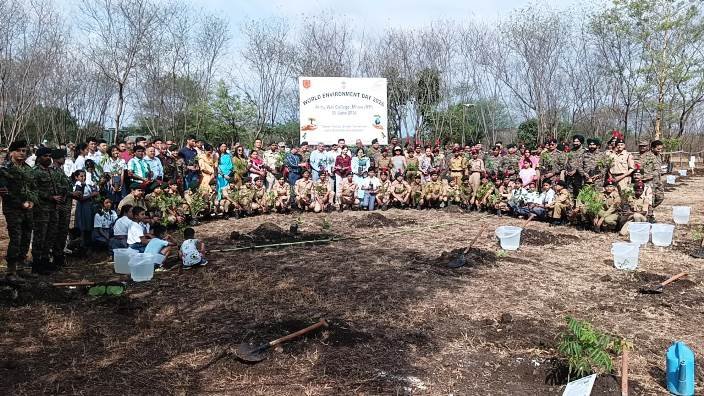
Such endeavours by premier training institutions like the AWC set a powerful precedent, inspiring similar actions across military and civilian spheres. As India advances its environmental commitments, the success of programmes such as ‘Dhanwantari Aushadhi Vatika’ stands as a testament to the armed forces’ proactive role in nurturing a greener, healthier planet for future generations.

contact: drrajeshjauhri@gmail.com
Dr Rajesh Jauhri is a Journalist with an experience of over 25 years in Indian and foreign media, a Social Scientist, an Ac-complished Author, a Political & Strategic Analyst, a Marksman (Rifle & Pistol), an Orator, a Thinker and an Educationist. He holds a Ph.D. degree on “Impact of colonial heritage on Indian police”. He runs an NGO dedicated to the social and eco-nomic uplift of tribal communities in MP and two decades back, he established a school in a village of Indore district, providing education and moral values to children belonging to underprivileged and minority families. Has received multiple awards in various fields.