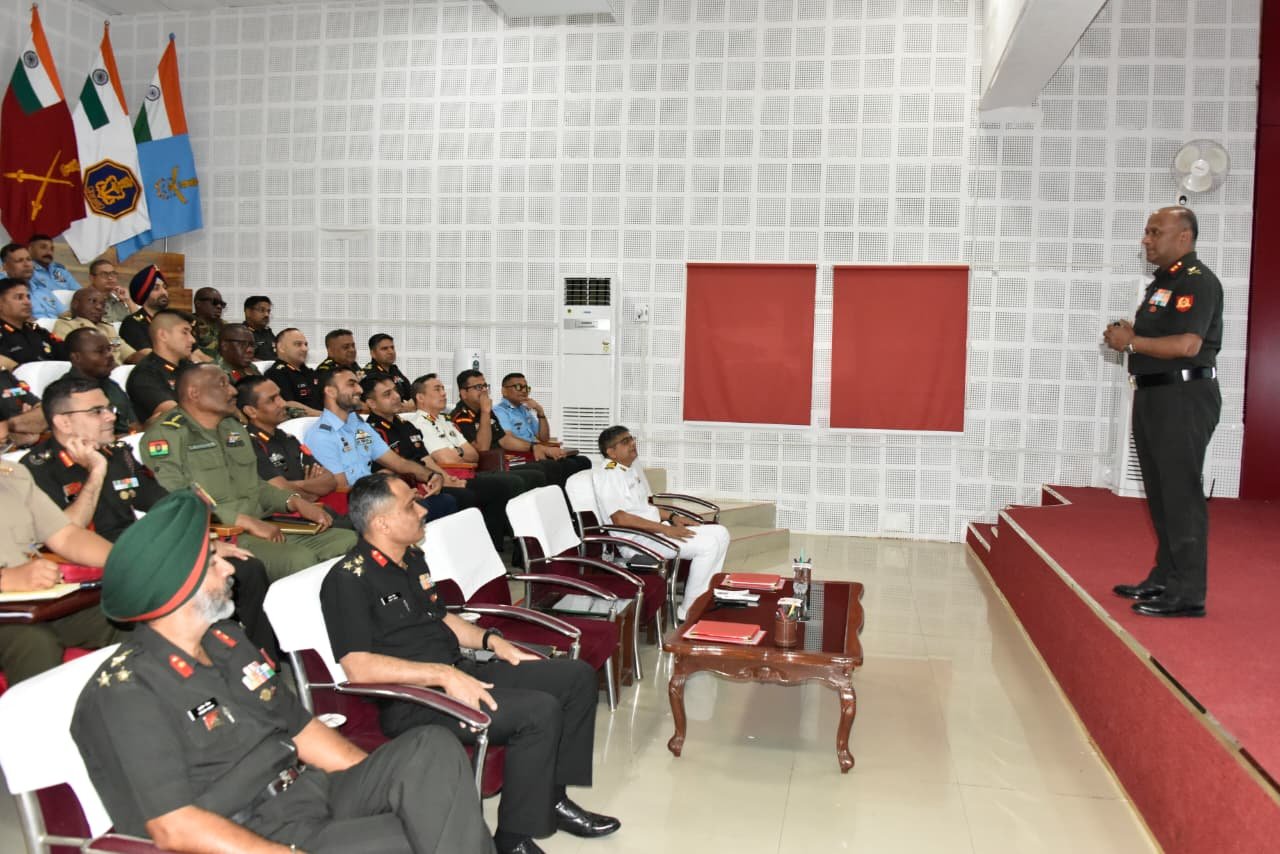
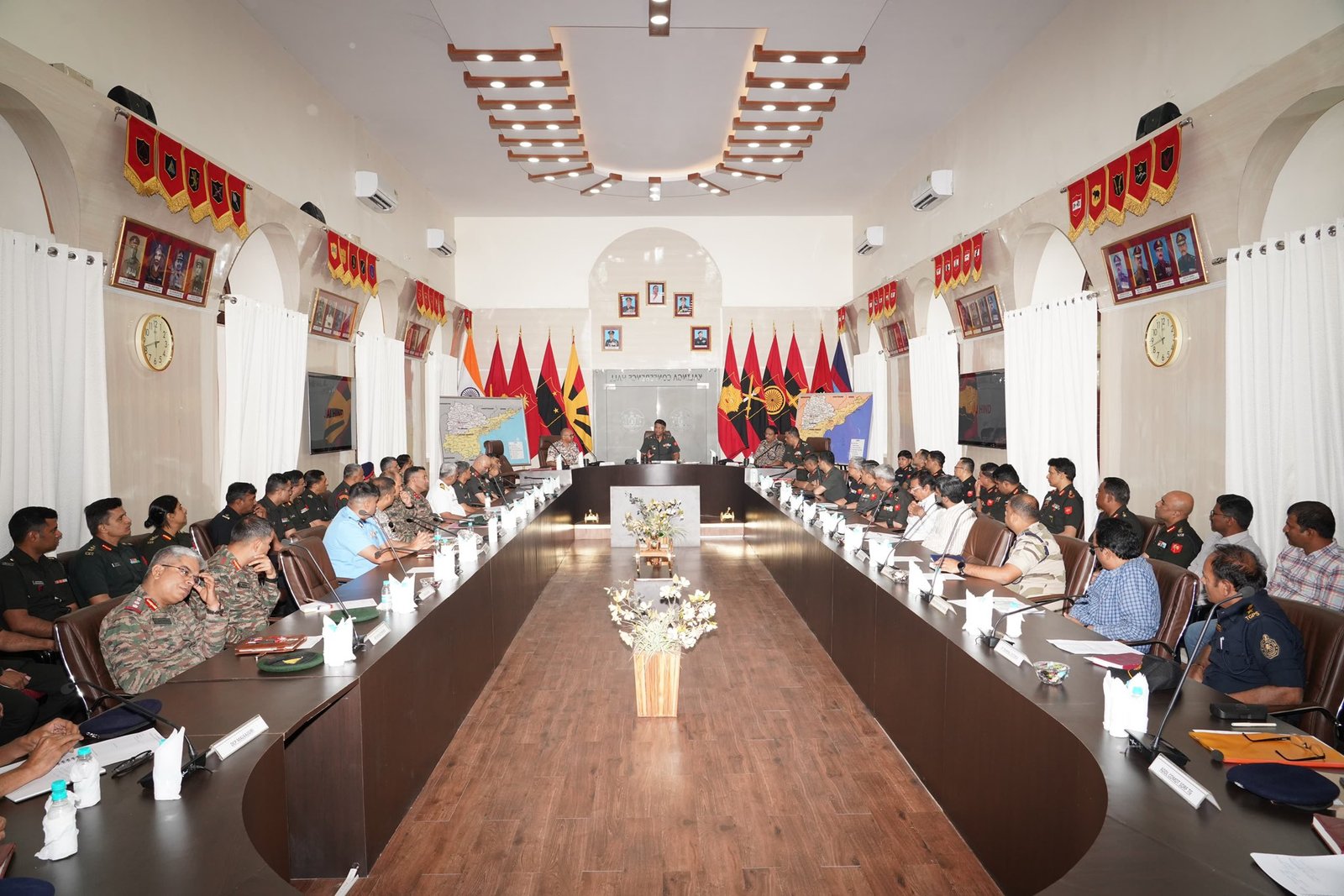
Hyderabad, March 5, 2026: In a significant step towards enhancing India’s whole-of-government security framework, the Headquarters Telangana & Andhra Sub Area (TASA) under the Southern Army Command hosted ‘Ex TASA Shakti’, a high-level multi-agency security dialogue here today. The event, part of the ongoing Military Civil Fusion Abhiyan, underscored the imperative for seamless inter-service and civil-military collaboration amid rapidly evolving threat landscapes.
The dialogue convened key stakeholders from across the nation’s defence and security apparatus, fostering a unified approach to counter emerging threats and humanitarian contingencies. Participants included representatives from the Indian Air Force (IAF), Indian Navy (IN), Telangana and Andhra Pradesh Police forces, Central Reserve Police Force (CRPF), Central Industrial Security Force (CISF), National Security Guard (NSG), Indian Railways, Railway Protection Force (RPF), Government Railway Police (GRP), and local civil administration officials.
Major General Ajay Misra, General Officer Commanding (GOC) TASA, inaugurated the proceedings, emphasizing the criticality of integrated operations in modern warfare and disaster response scenarios. “Contemporary security challenges demand seamless inter-agency cooperation, integrated planning, and swift unified response,” Maj Gen Misra stated, highlighting the need to transcend traditional silos for a resilient national defence architecture.
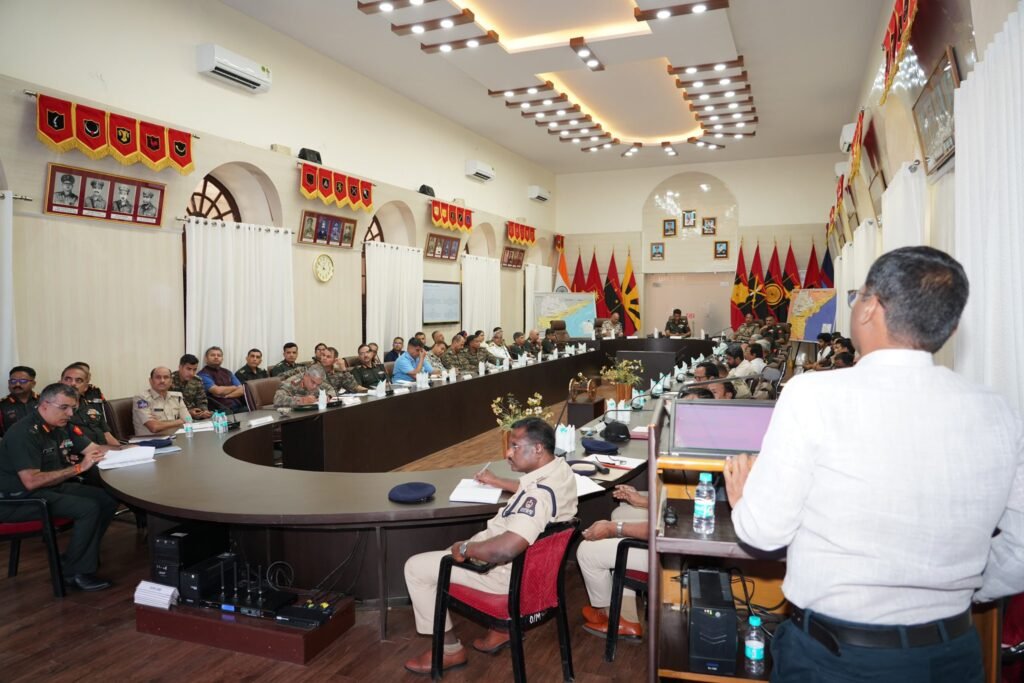
Conducted under the theme of advancing a ‘Whole-of-System’ approach, ‘Ex TASA Shakti’ focused on building shared situational awareness and refining coordinated response protocols. Discussions delved into threat vectors ranging from hybrid warfare and terrorism to Humanitarian Assistance and Disaster Relief (HADR) operations, with a particular emphasis on the strategic vulnerabilities in the southern peninsula.
The exercise facilitated an exchange of best practices among the agencies, reinforcing existing coordination mechanisms and identifying gaps in joint preparedness. Sessions included tabletop simulations and scenario-based planning, enabling participants to align on resource sharing, intelligence fusion, and rapid deployment strategies. This is particularly vital for the Telangana and Andhra region, which hosts critical infrastructure such as major ports, aerospace hubs, and rail networks, making it a focal point for both adversarial incursions and natural calamities.
The Military Civil Fusion Abhiyan, a flagship initiative of the Indian Army, aims to integrate military objectives with civilian capabilities, drawing parallels to global models like China’s military-civil fusion strategy but tailored to India’s democratic and federal ethos. By involving paramilitary forces, state police, and civil entities, events like ‘Ex TASA Shakti’ exemplify the Abhiyan’s core tenet: leveraging the nation’s collective strengths for holistic security.
Defence analysts view this as a proactive measure in light of recent regional tensions, including maritime disputes in the Indian Ocean and internal security challenges. “Such dialogues are not mere formalities; they operationalize the ‘one nation, one response’ doctrine, ensuring that India’s armed forces and civil arms move as a single entity,” observed Lt Gen (Retd) Prakash Katoch, a security expert and former Northern Army Commander.
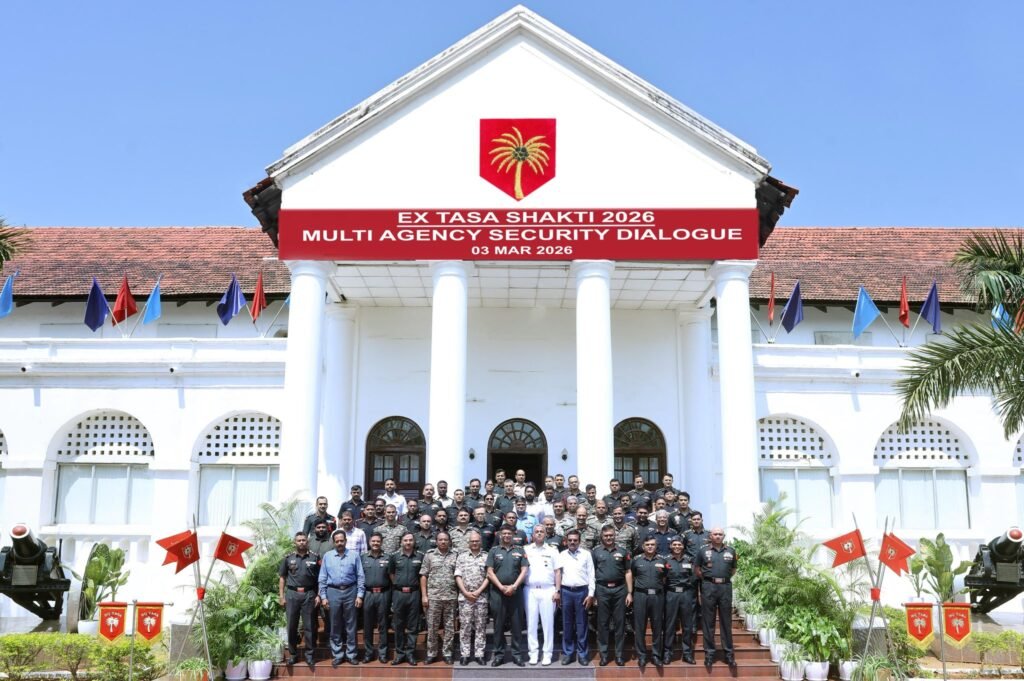
As India navigates an increasingly volatile geopolitical environment, ‘Ex TASA Shakti’ reinforces the Southern Command’s role as a vanguard of integrated defence. The event concluded with commitments to periodic joint drills and a roadmap for technology-enabled interoperability, signaling a fortified security edifice in support of the nation’s strategic imperatives.
The Indian Army continues to expand such fusion initiatives nationwide, with similar exercises planned across other commands to cultivate a pan-India resilience network. For more on India’s evolving defence strategies, stay tuned to ‘Defence Horizon’.
contact: drrajeshjauhri@gmail.com
Dr Rajesh Jauhri is a Journalist with an experience of over 25 years in Indian and foreign media, a Social Scientist, an Ac-complished Author, a Political & Strategic Analyst, a Marksman (Rifle & Pistol), an Orator, a Thinker and an Educationist. He holds a Ph.D. degree on “Impact of colonial heritage on Indian police”. He runs an NGO dedicated to the social and eco-nomic uplift of tribal communities in MP and two decades back, he established a school in a village of Indore district, providing education and moral values to children belonging to underprivileged and minority families. Has received multiple awards in various fields.