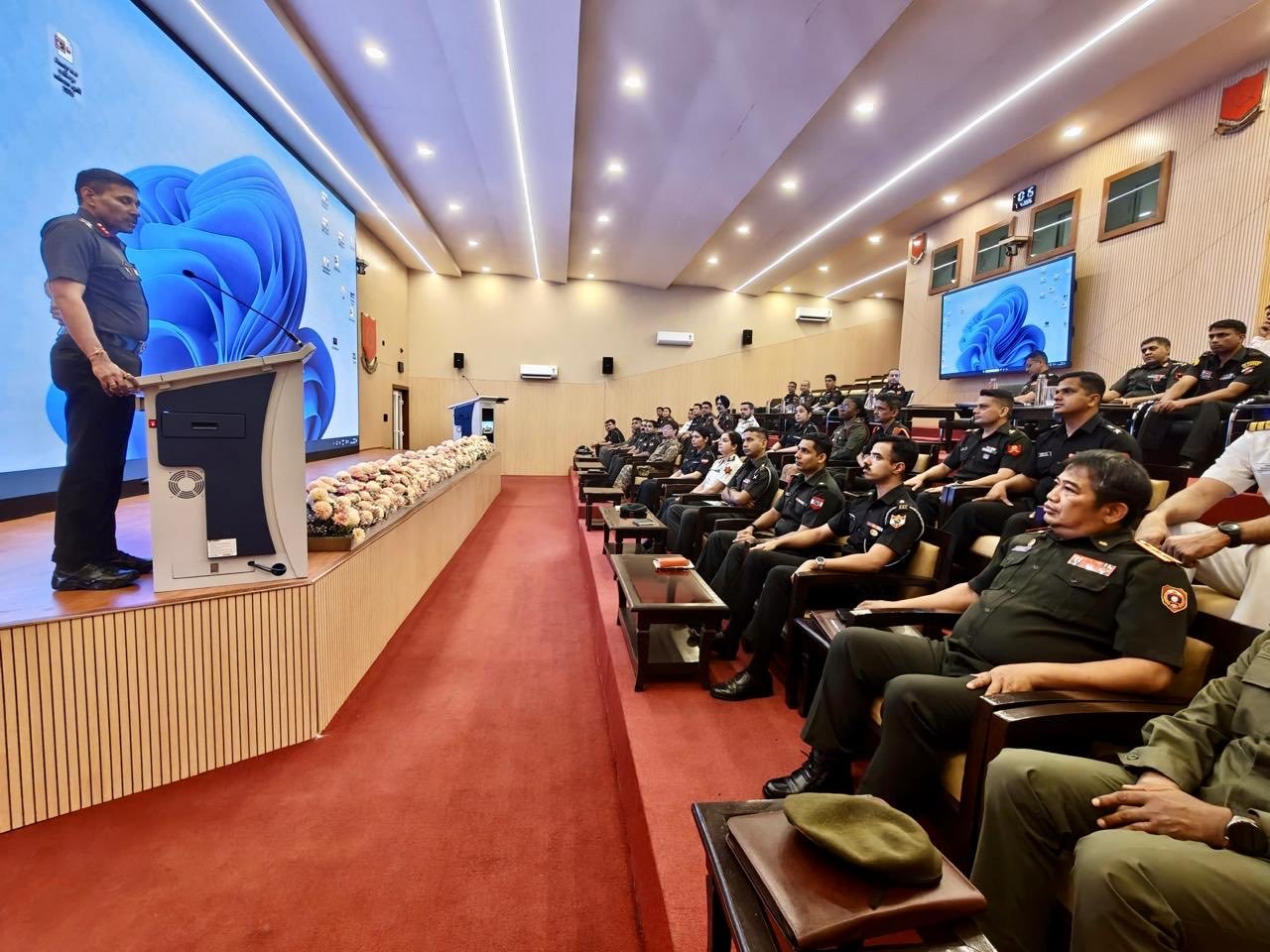
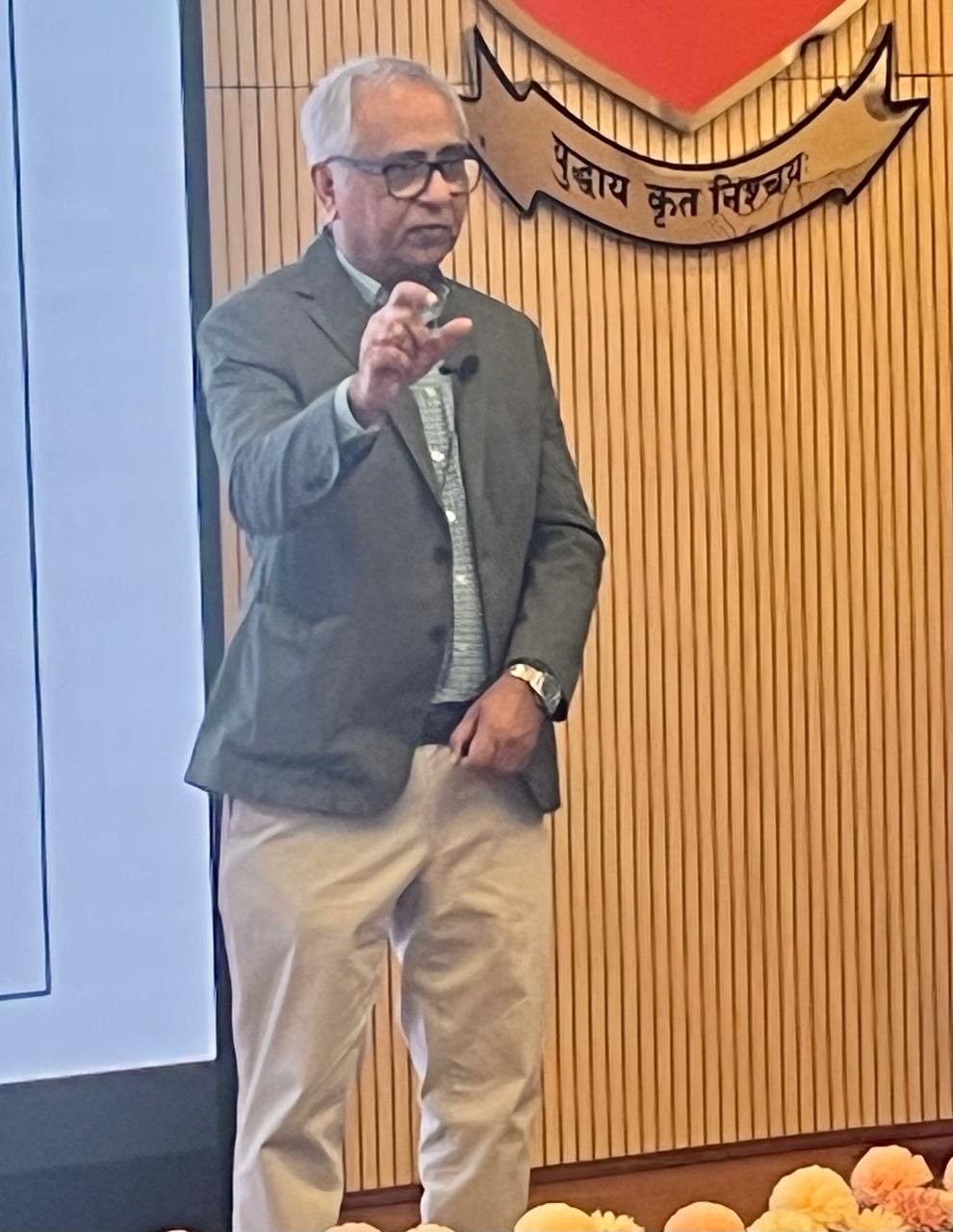
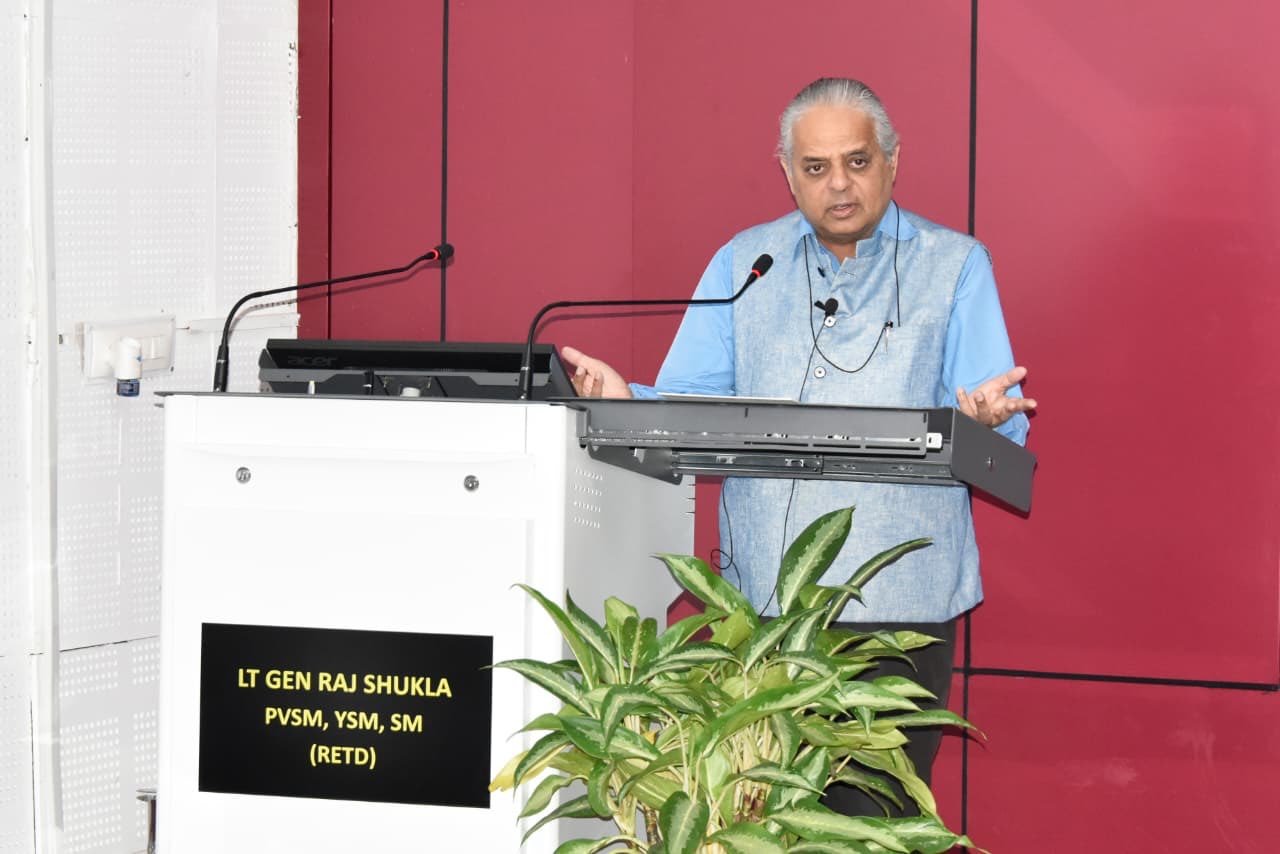
Mhow: Lt Gen Raj Shukla (Retired) delivered a keynote address at the Strategic Fusion & Convergence Capsule (SFCC) 2026, organised by the Army War College (AWC), Mhow, underscoring the strategic imperative of Military-Civil Fusion (MCF) as a vital pillar of India’s national security architecture.
The high-level capsule, hosted under the aegis of HQ, Army Training Command (ARTRAC), brought together a diverse cohort of participants including serving officers from the Indian Armed Forces, representatives from friendly foreign countries, senior bureaucrats, academics, defence think tanks, industry leaders, and personnel from the Central Armed Police Forces (CAPF). The platform was designed to facilitate open dialogue and joint ideation on contemporary national and international security issues.
In his remarks, Lt Gen Shukla stressed that seamless integration between military and civilian ecosystems is no longer optional but a critical constituent of robust national security in the current strategic environment. He drew attention to the existing challenges in operationalising effective Military-Civil Fusion, ranging from coordination gaps and regulatory hurdles to the need for accelerated technology absorption and industry participation, while laying out a clear roadmap for collaborative action.
The veteran officer advocated for sustained, structured partnerships that leverage the strengths of academia, private industry, and government institutions alongside the armed forces. He emphasised that such convergence would not only bolster India’s defence preparedness but also contribute meaningfully to the nation’s broader goals of self-reliance and technological sovereignty.
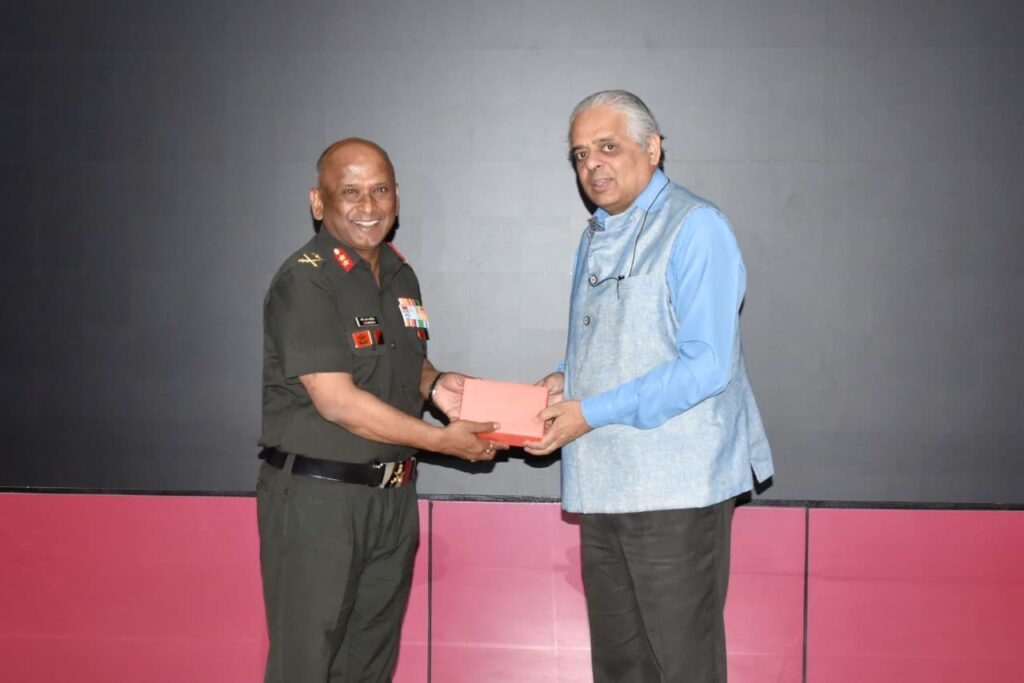
The AWC has positioned SFCC 2026 as a flagship initiative to promote “strategic fusion and convergence” across multiple stakeholders. By design, the capsule encourages cross-domain thinking and practical solutions that can translate into policy recommendations and operational frameworks.
This latest engagement at Mhow reflects the Indian Army’s proactive approach to building institutional synergies that extend beyond traditional military boundaries. As geopolitical uncertainties and technological disruptions reshape the security landscape, initiatives like SFCC 2026 are expected to play a growing role in shaping India’s integrated defence strategy for the coming decade.
The address was well received by participants, many of whom noted its timely relevance to ongoing national efforts aimed at strengthening whole-of-nation defence capabilities.
contact: drrajeshjauhri@gmail.com
Dr Rajesh Jauhri is a Journalist with an experience of over 25 years in Indian and foreign media, a Social Scientist, an Ac-complished Author, a Political & Strategic Analyst, a Marksman (Rifle & Pistol), an Orator, a Thinker and an Educationist. He holds a Ph.D. degree on “Impact of colonial heritage on Indian police”. He runs an NGO dedicated to the social and eco-nomic uplift of tribal communities in MP and two decades back, he established a school in a village of Indore district, providing education and moral values to children belonging to underprivileged and minority families. Has received multiple awards in various fields.