

A travelogue by Dr Rajesh Jauhri, a Senior Journalist who has wandered through the whispering valleys of Himachal Pradesh
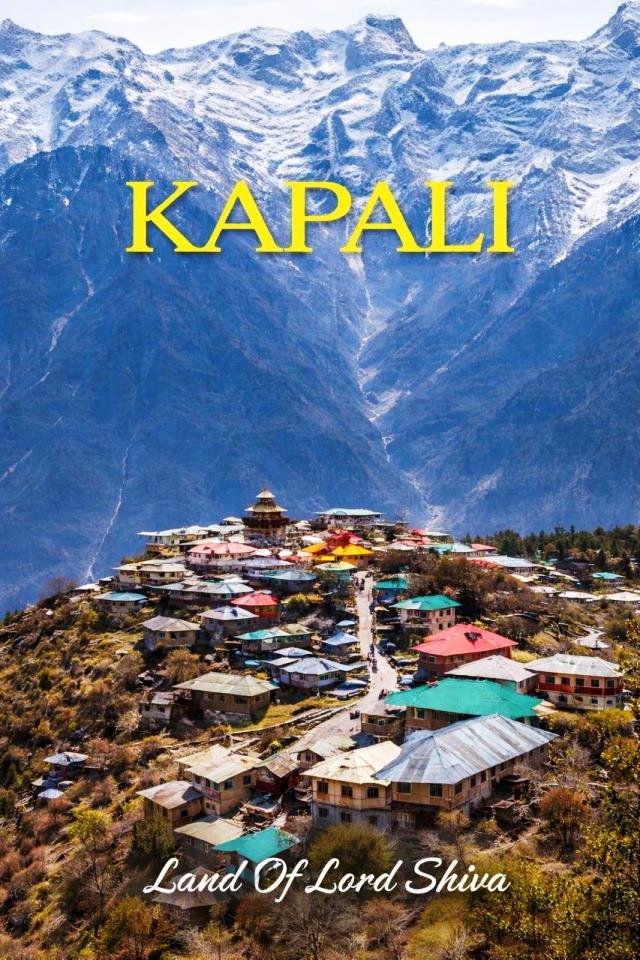
Few places have moved me as deeply as Kapali in Kinnaur situated in the Indian state of Himachal Pradesh. Perched at nearly 3,000 metres in the Kinnaur district, this ancient village makes one feel that he is on a living bridge between Belief, Mountain and Devotion. Here, the line between God and Humans blurs gently, and every temple, every Pine tree, holds a story older than memory. More appealing is the Mount Kailash, which serves as the backdrop for this picturesque village.
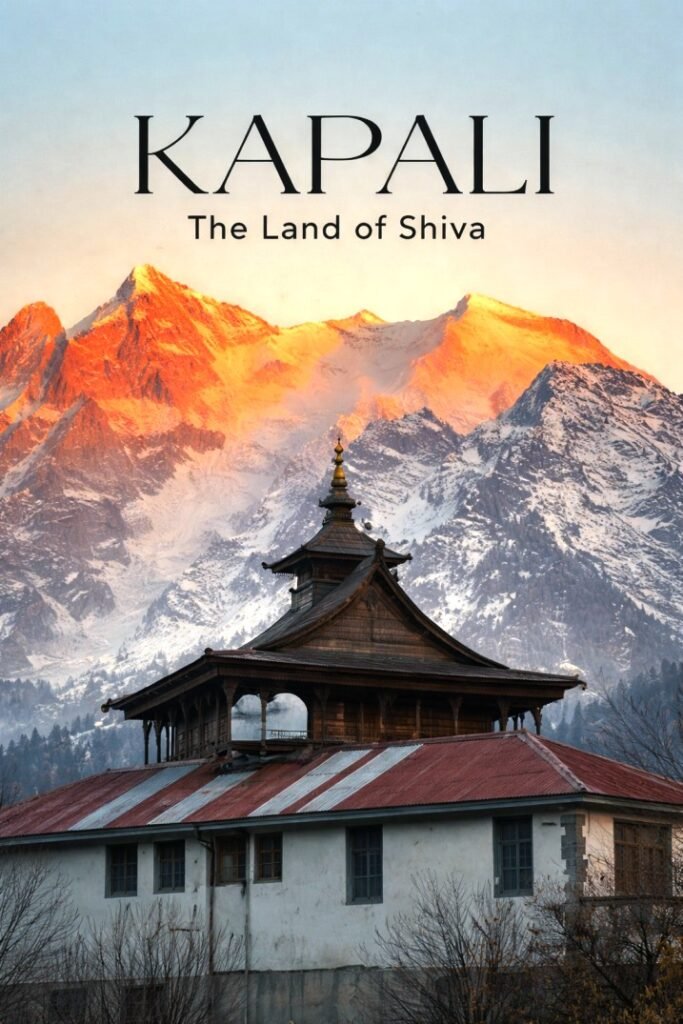
At the heart of this spiritual landscape stands the revered Kapali Mahadev Temple, the meditation ground of Lord Shiva himself. Tradition holds that the deity appeared here in the form of Kapali, performing intense penance that charged the very rocks and air with sacred energy. Sages followed, their austerities deepening the site’s aura of timeless sanctity. Its remote position near the India-China border only heightens the sense of quiet resilience; the temple is no mere monument but a living sanctuary where Shiva’s meditative presence still lingers in the thin mountain air.
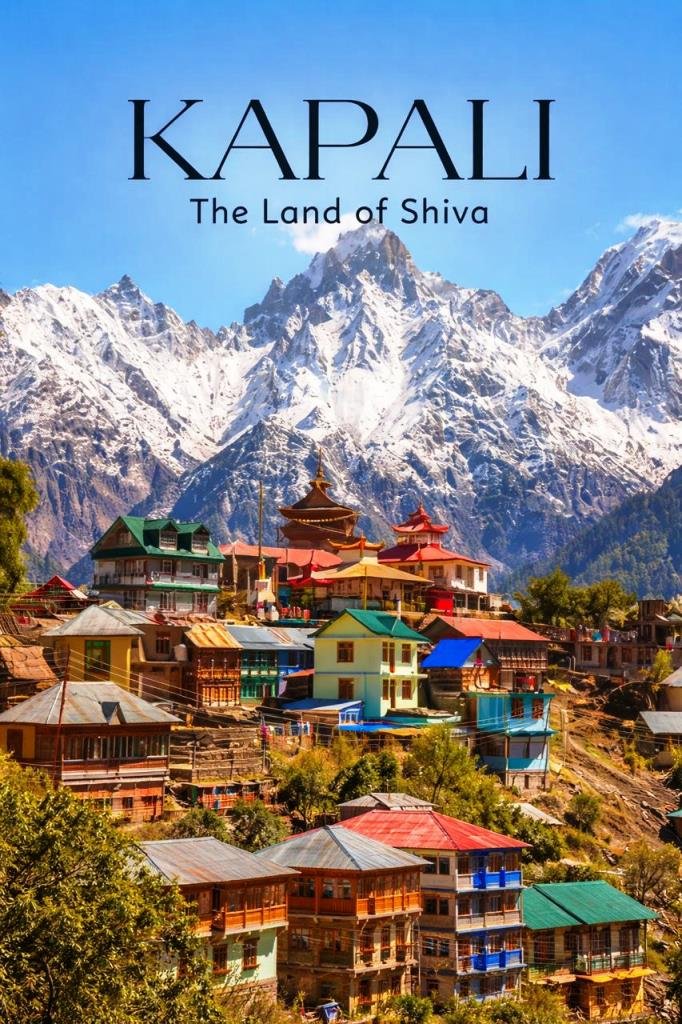
Kinnaura beliefs, however, stretches the place far beyond mainstream Spirituality. Nearly every village has its own presiding Devta (God) whose Oracle, enters trance during festivals to offer guidance, settle disputes and foretell the future. These oracles remain vital institutions, blending sacred authority with practical governance in a tradition that feels both ancient and remarkably alive. In Kapali, the enchanting Narayan-Nagini Temple recounts the legend of Nagini Devi, the serpent goddess who once protected the village single-handedly, bringing rain, fertility and safety. When new perils arose, Lord Narayan descended to stand beside her, restoring harmony. Built in the exquisite Kath-Kuni style of interlocking wood and stone without nails, the temple is both architectural masterpiece and symbol of cosmic balance.
Equally compelling is Dabla, a major deity rooted in the pre-Buddhist Bon religion (Indigenous religion of the area), worshipped peacefully alongside Buddha and Guru Rinpoche. The Nine Dabla Brothers and Sisters of Tibetan-Bon origin each guard specific villages, embodying a rare organic syncretism. Hindu temples stand beside Buddhist monasteries, and ancient Bon traditions flow seamlessly through both. Nature spirits further enrich the tapestry, Saonis dwelling near glaciers, Kalis guarding forests, Matingoes in underground realms, and Ban Shiras among the trees, keeping the boundary between human, divine and spirit worlds delightfully porous. Towering deodars are homes to benevolent guardians; ghost tales of Chon, Rakshas and Khunkch coexist comfortably with stories of helpful intermediaries.
Festivals bring this worldview vividly alive. During Birshu, celebrated in the months of Chaitra-Baisakh, the Gur performs the ecstatic Deo Khel, the divine dance, in deep trance. Village processions wind through narrow lanes, accompanied by songs honouring each deity. Devotion, music and communal bonding merge in a celebration that is profoundly human yet unmistakably sacred.
Standing amid these mountains, one understands something quietly profound: the Himalayas here are not merely Geography. They are a living spiritual landscape where Lord Shiva descend to walk among devotees, where Sages seem to linger in the charged air, and where ancient stories pulse in the present. Kapali does not ask you to believe. It simply invites you to feel.

contact: drrajeshjauhri@gmail.com
Dr Rajesh Jauhri is a Journalist with an experience of over 25 years in Indian and foreign media, a Social Scientist, an Ac-complished Author, a Political & Strategic Analyst, a Marksman (Rifle & Pistol), an Orator, a Thinker and an Educationist. He holds a Ph.D. degree on “Impact of colonial heritage on Indian police”. He runs an NGO dedicated to the social and eco-nomic uplift of tribal communities in MP and two decades back, he established a school in a village of Indore district, providing education and moral values to children belonging to underprivileged and minority families. Has received multiple awards in various fields.

It’s to fabulous
Thanks for your comment