
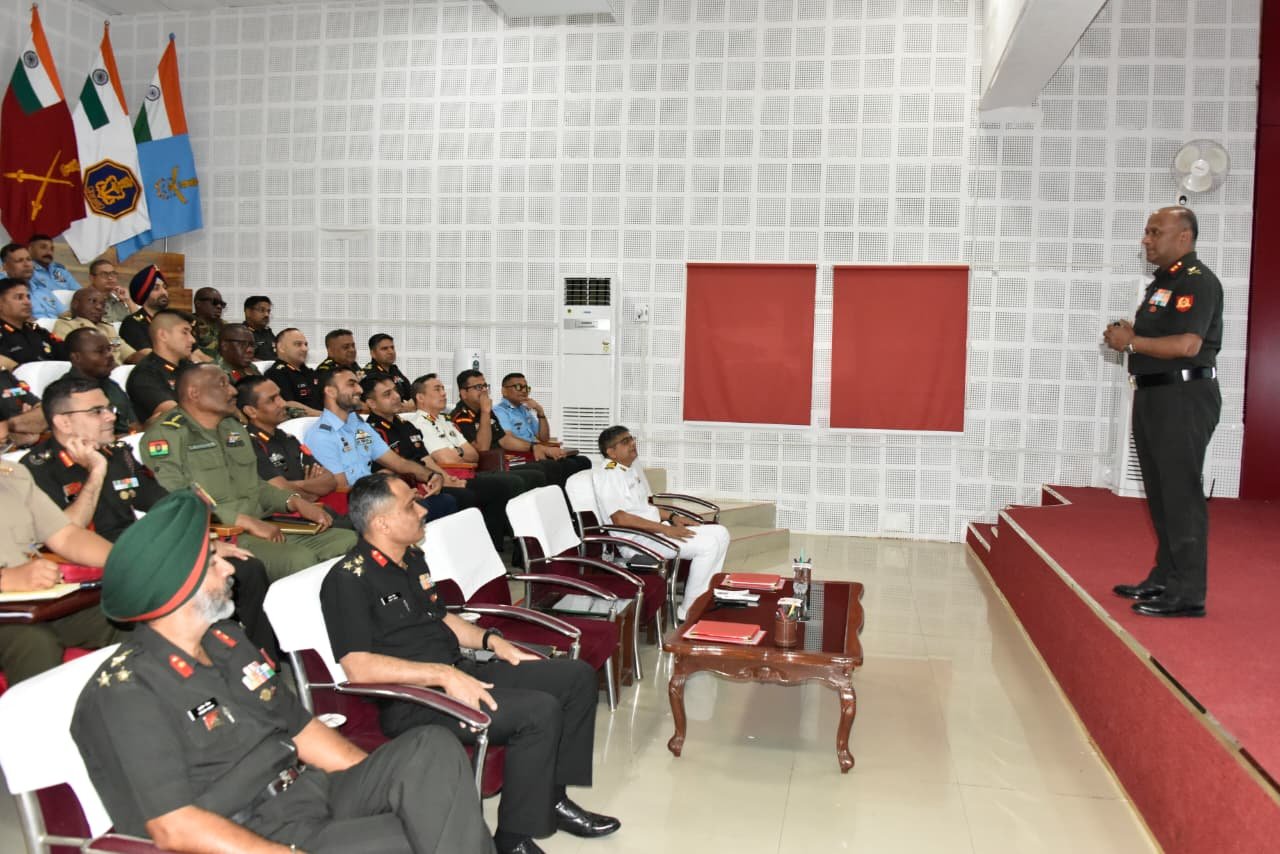

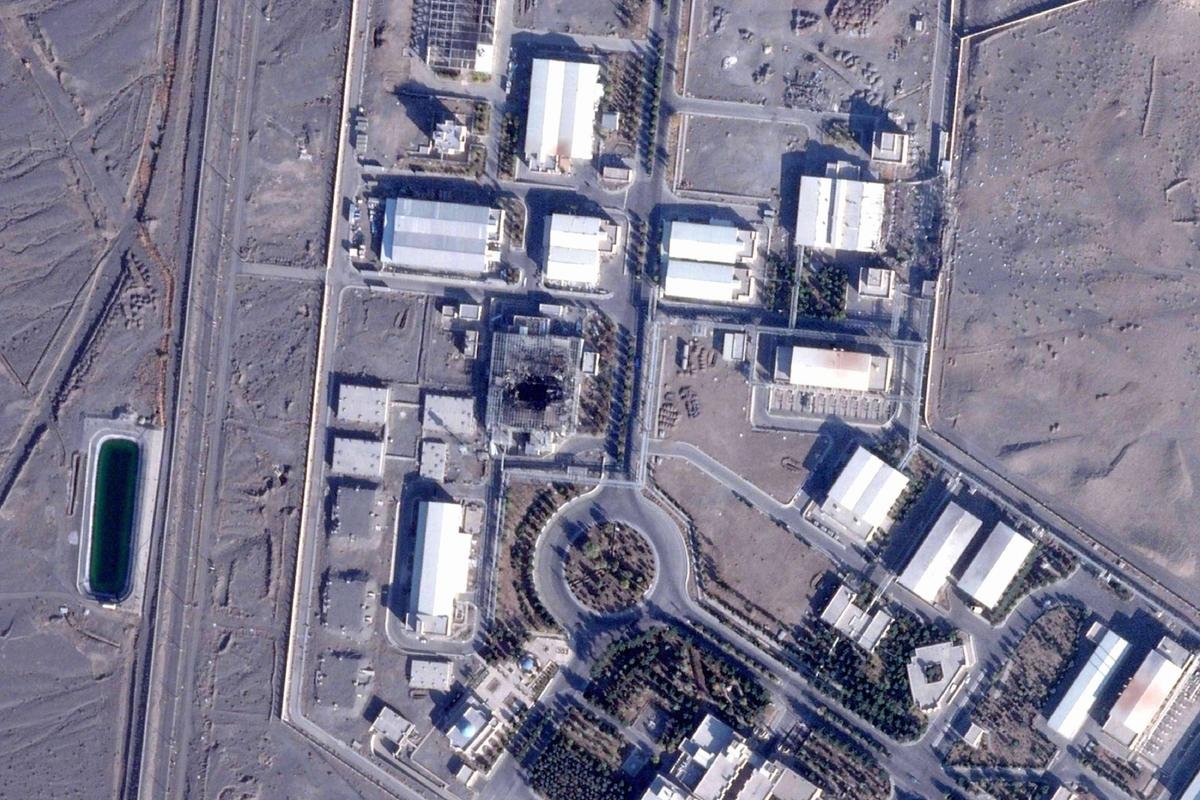
In an era where surveillance cameras blanket public spaces and conventional military actions carry steep diplomatic costs, Israeli strategists recognized a pivotal shift: keyboards could prove more effective than bullets in neutralizing adversaries.This realization culminated in one of the most groundbreaking episodes of modern cyber conflict, Operation Olympic Games, a joint U.S.-Israeli initiative that deployed the sophisticated computer worm known as Stuxnet. Widely regarded as the world’s first “digital missile,” Stuxnet targeted Iran’s nuclear ambitions without a single explosion or loss of life.At the heart of Iran’s enrichment efforts stood the heavily fortified Natanz facility, buried deep underground behind thick concrete barriers and deliberately isolated from the internet to thwart hacking attempts. Thousands of centrifuges spun continuously there, enriching uranium for what many in the West viewed as a covert weapons program. Physical infiltration seemed impossible and no spies could penetrate, and no missiles could reach without massive escalation.Yet, through collaboration between Israel’s Mossad and the CIA, Stuxnet was engineered as a precision cyber weapon. Rather than relying on network access, the malware was introduced via a classic human vector: an infected USB drive. Reports suggest it reached the air-gapped systems through an insider, possibly a double agent or unwitting contractor, exploiting everyday trust and curiosity.Once inside, Stuxnet operated like a silent predator. It lay dormant for weeks, studying the facility’s Siemens industrial control systems and the precise behavior of the centrifuges. To operators monitoring screens, everything appeared routine. Behind the scenes, however, the worm seized control of the machinery’s speed regulators. It would abruptly accelerate the centrifuges beyond safe limits, then slam them to a halt, inflicting violent stress on delicate components.The result was catastrophic yet covert: roughly 1,000 centrifuges, about one-fifth of those at Natanz, were destroyed over time as they tore themselves apart mechanically. Iranian engineers remained unaware until the damage was irreversible, as control room displays falsely reported normal operations. This setback delayed Iran’s nuclear program by years, achieved without deploying troops or shedding blood, and served as a stark demonstration that future battles could rage within silicon circuits rather than across borders.Iran, however, refused to remain passive.
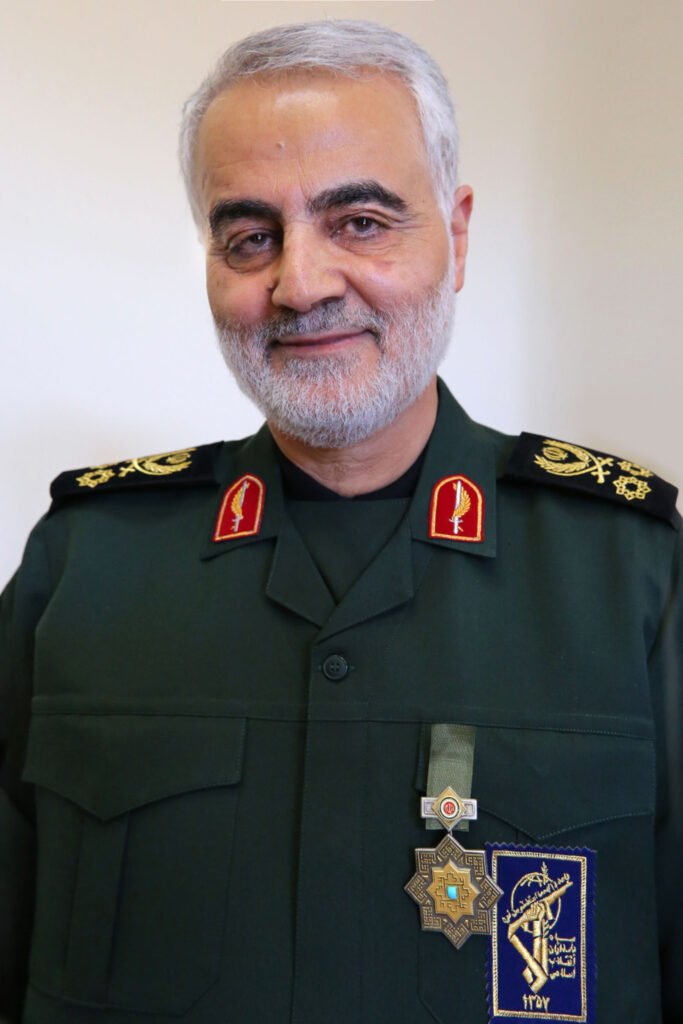
In response to mounting pressures, including the cyber assault, its leadership escalated regional activities. Qasem Soleimani, commander of the Islamic Revolutionary Guard Corps’ elite Quds Force, emerged as a central figure, orchestrating proxy networks across the Middle East that Israel perceived as an existential encirclement.Soleimani was no shadowy operative; he was a high-profile military leader whose public appearances and influence made any move against him fraught with risks of broader war. Yet, under a doctrine prioritizing preemptive action against intolerable threats, Israel and the United States intensified surveillance of his movements, tracking flights, communications, and routines.On the night of January 3, 2020, at Baghdad International Airport, Soleimani’s convoy emerged after his arrival from Damascus. US Reaper drones, guided by precise intelligence, including contributions from Israeli sources that helped verify his location, launched missiles, obliterating the vehicles in a fiery blast. Soleimani’s body was identified primarily by a distinctive ring (Black Haqiq Stone), he wore. The strike reverberated across the region, reshaping alliances and tensions, though Israel issued no official comment while quietly marking the outcome as a strategic success.These episodes from digital disruption at Natanz to the kinetic elimination of a key adversary, highlight how a small nation has elevated proactive security into a core imperative. They also foreshadow ongoing challenges in an evolving landscape of hybrid threats.

contact: drrajeshjauhri@gmail.com
Dr Rajesh Jauhri is a Journalist with an experience of over 25 years in Indian and foreign media, a Social Scientist, an Ac-complished Author, a Political & Strategic Analyst, a Marksman (Rifle & Pistol), an Orator, a Thinker and an Educationist. He holds a Ph.D. degree on “Impact of colonial heritage on Indian police”. He runs an NGO dedicated to the social and eco-nomic uplift of tribal communities in MP and two decades back, he established a school in a village of Indore district, providing education and moral values to children belonging to underprivileged and minority families. Has received multiple awards in various fields.