PORT BLAIR, India
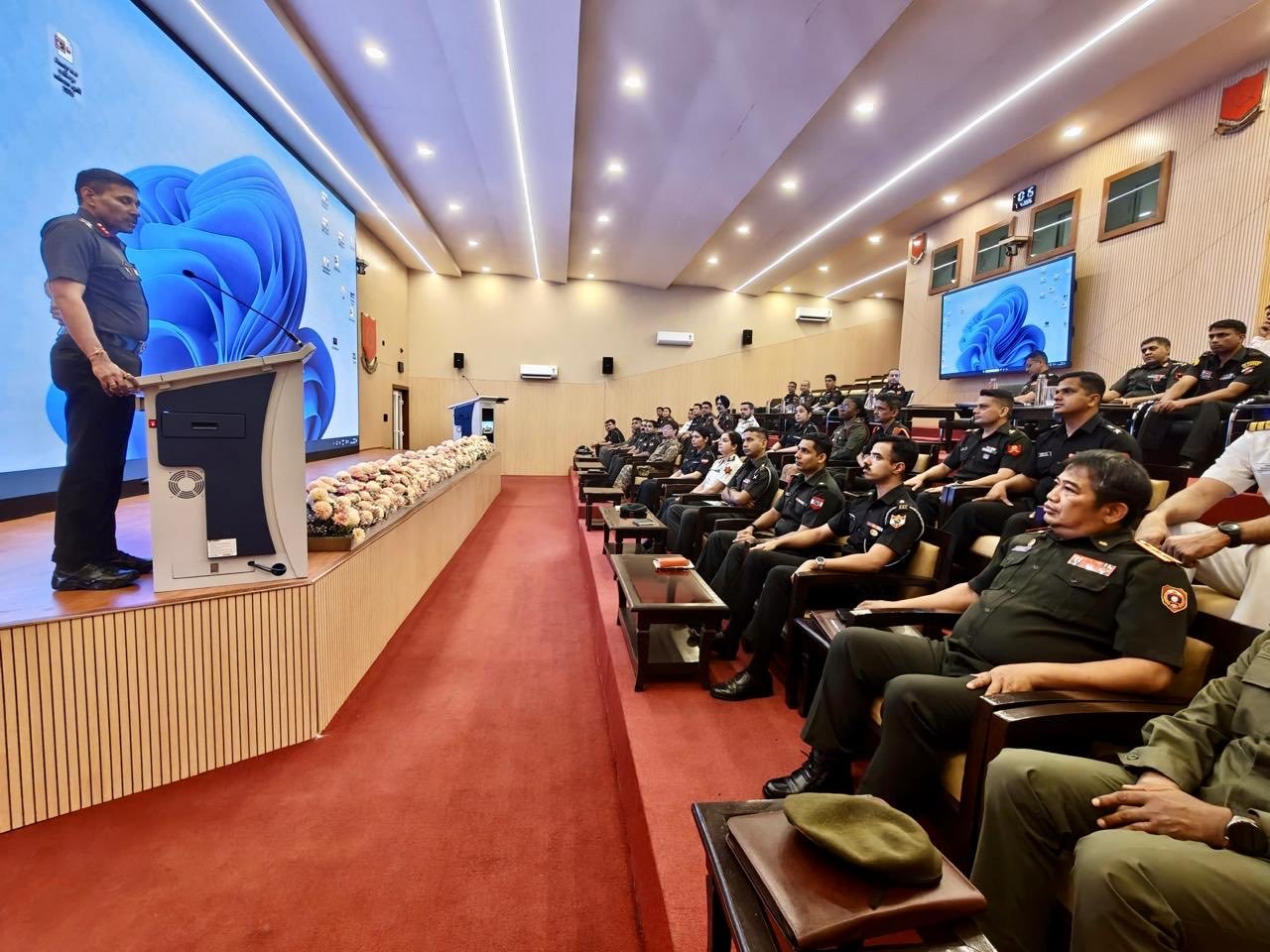
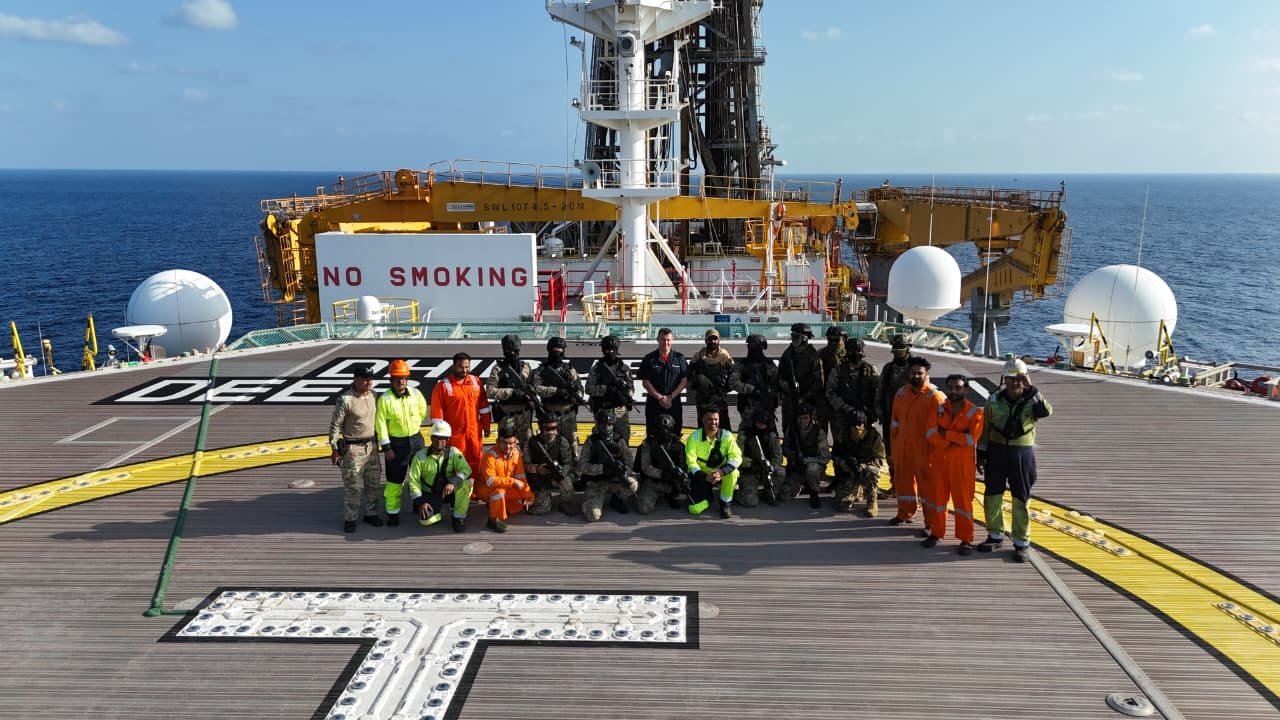
Building on its established framework of joint-services integration, the Andaman and Nicobar Command (ANC) has executed a demanding series of combat workups involving troops drawn from formations across mainland India. The exercise, according to an official update shared on platform X, focused on honing “decisive multi-domain strike capability” across sea, land and air environments, with particular emphasis on speed dominance and seamless joint mission execution.The training incorporated a spectrum of high-intensity scenarios. Troops practised hard beach insertions, amphibious landings under simulated hostile conditions, alongside airborne assaults and precision fires.
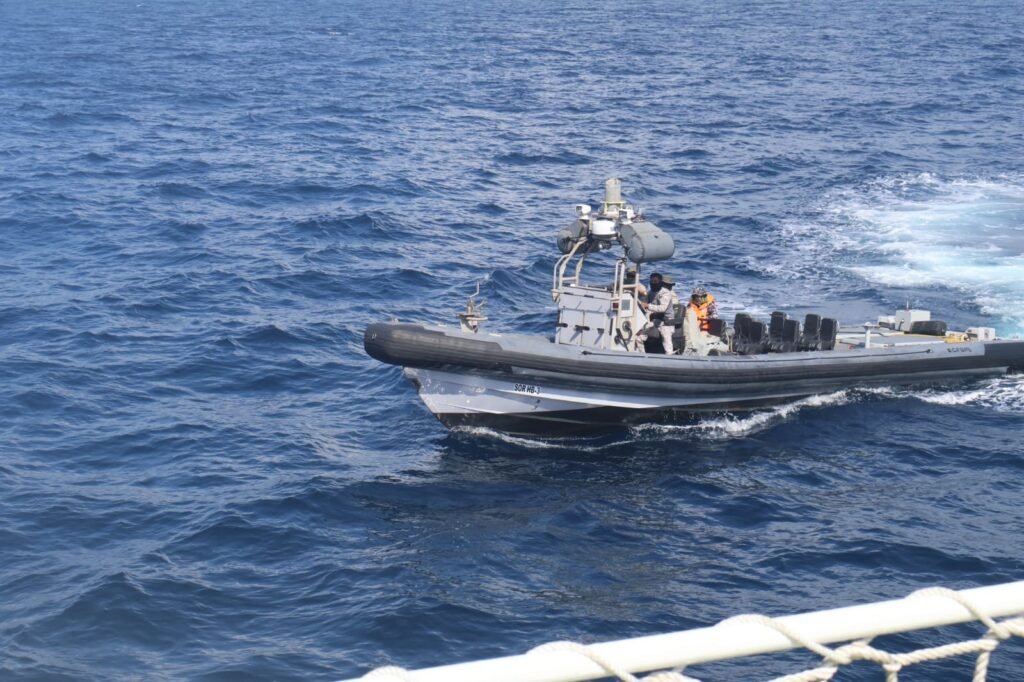
These drills reflect the ANC’s mandate as India’s sole tri-service command, established in 2001 to unify Army, Navy and Air Force operations in one of the world’s most strategically sensitive maritime chokepoints.Headquartered in Port Blair, the ANC oversees a vast archipelago that stretches over 800 kilometres and lies just 1,300 kilometres from the Malacca Strait. The command’s unique integrated structure allows it to orchestrate rapid response across domains without the traditional service silos that still characterise much of India’s conventional forces. Recent defence reforms, including the push toward integrated theatre commands, have further elevated the ANC’s role as a laboratory for joint warfare concepts.“Relentless combat workups” involving personnel inducted from diverse formations nationwide underscore a deliberate effort to build interoperability at every level, from junior soldiers and sailors to senior commanders.
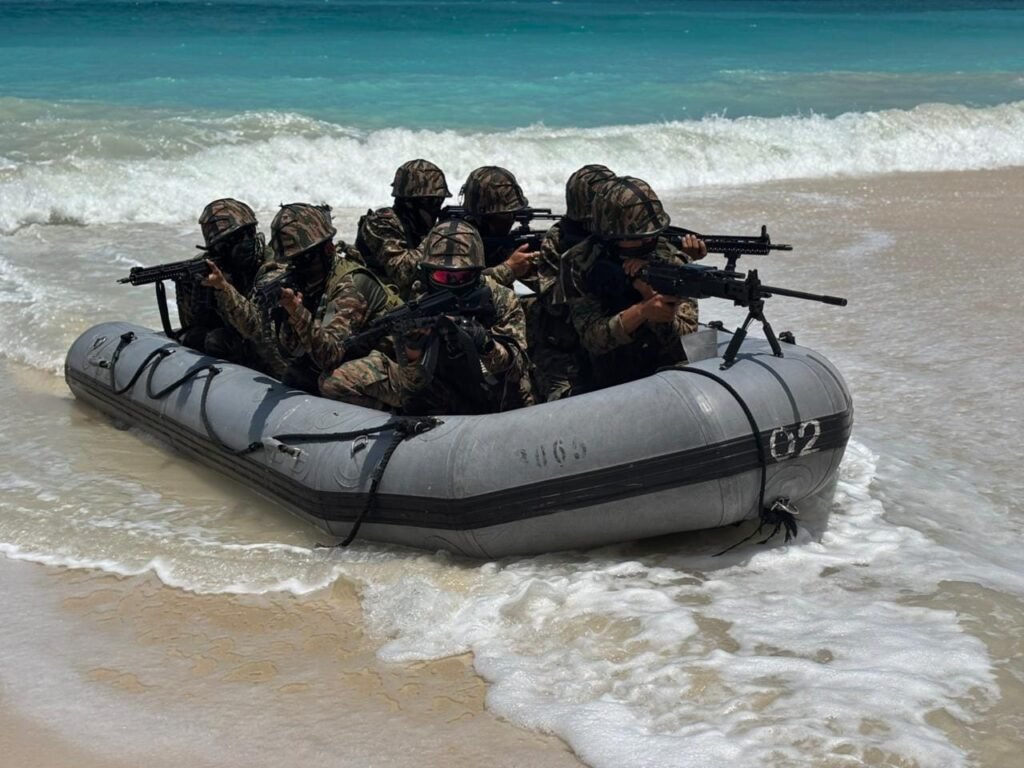
The emphasis on “speed dominance” aligns with contemporary military doctrine worldwide, where the ability to move faster than an adversary across multiple domains often proves decisive.While the ANC has long conducted joint exercises, the latest iteration appears to scale up both scope and intensity. Observers note that such training prepares forces not only for conventional contingencies but also for hybrid and grey-zone scenarios increasingly prevalent in the Indo-Pacific. The archipelago’s forward location makes it a natural staging ground for operations spanning the Bay of Bengal, the Andaman Sea and beyond.The development comes as India continues to modernise its armed forces and deepen strategic partnerships through frameworks such as the Quad and bilateral logistics agreements. Although the ANC update did not disclose specific timelines, unit strengths or participating platforms, the public emphasis on “joint mission execution” signals growing confidence in the command’s operational maturity.
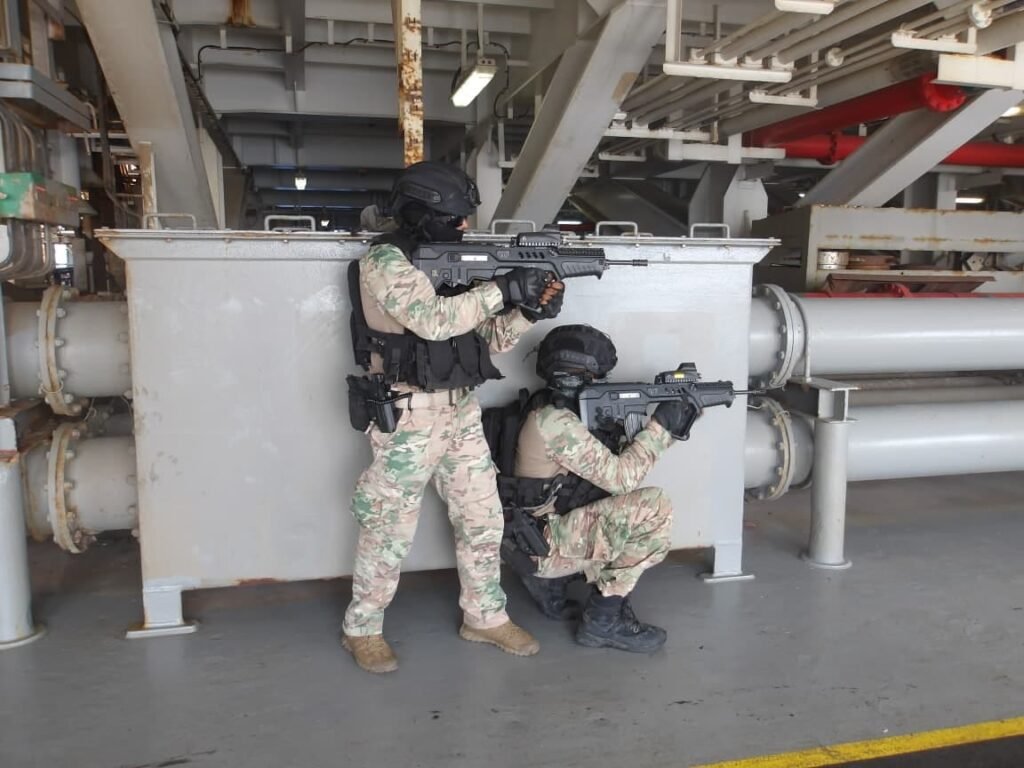
Military analysts view these drills as more than routine readiness; they represent a tangible step toward the kind of integrated, multi-domain force that defence planners have long advocated. In an era where conflicts may erupt and conclude at machine speed, the ability to synchronise beach landings, airborne insertions and precision strikes under a single operational umbrella is no longer aspirational, it is essential.The Andaman and Nicobar Command’s latest combat workups thus serve as both a capability demonstration and a strategic message: India’s easternmost outpost is evolving into a fully integrated, agile tri-service hub ready to project power and deter threats across the Indo-Pacific theatre.

contact: drrajeshjauhri@gmail.com
Dr Rajesh Jauhri is a Journalist with an experience of over 25 years in Indian and foreign media, a Social Scientist, an Ac-complished Author, a Political & Strategic Analyst, a Marksman (Rifle & Pistol), an Orator, a Thinker and an Educationist. He holds a Ph.D. degree on “Impact of colonial heritage on Indian police”. He runs an NGO dedicated to the social and eco-nomic uplift of tribal communities in MP and two decades back, he established a school in a village of Indore district, providing education and moral values to children belonging to underprivileged and minority families. Has received multiple awards in various fields.