
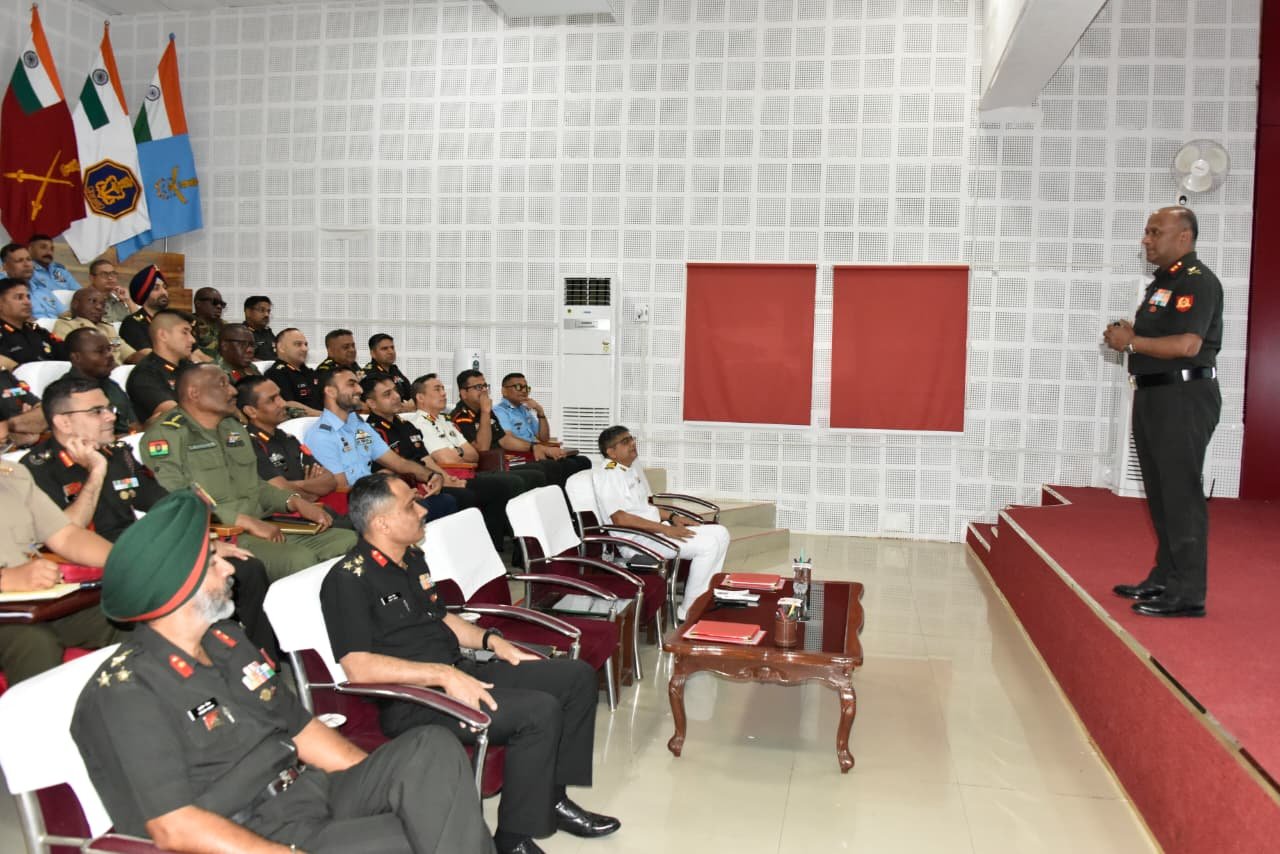

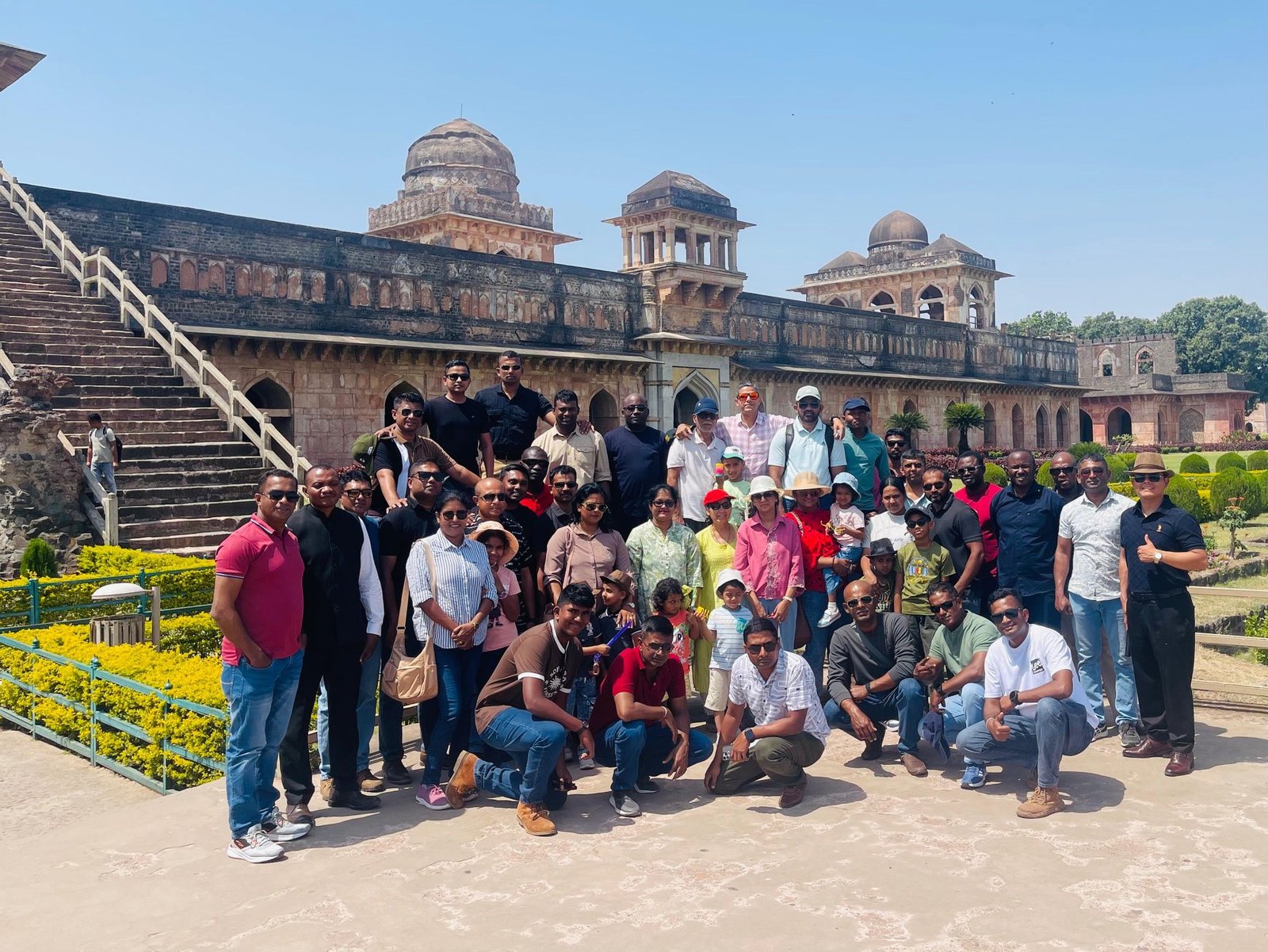
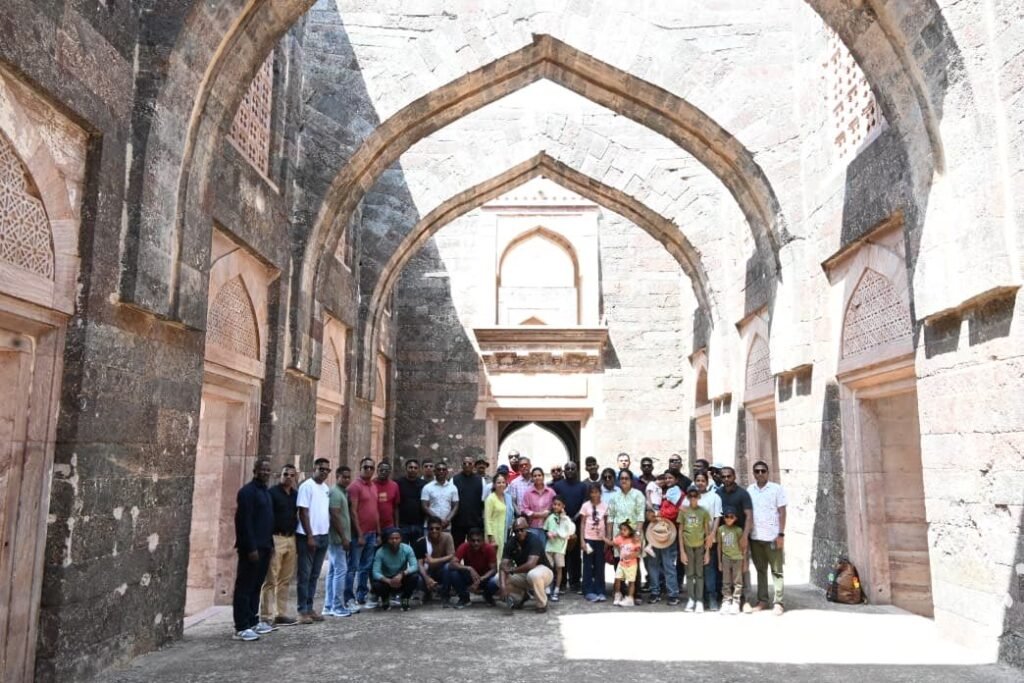
In a striking fusion of modern military diplomacy and ancient history, a contingent of international officers recently traded their tactical maps for the sandstone corridors of the Mandu Fort. Currently stationed at the Army War College (AWC) in Mhow for the prestigious Junior Command (JC) course, these officers from friendly foreign countries embarked on a cultural immersion tour to the 15th-century citadel, a site that remains one of India’s most profound architectural marvels.
Central to this international outreach is the Junior Command Course. This rigorous program is specifically tailored for Captains and Majors, focusing on the nuances of sub-unit level leadership and tactical decision-making. For the international officers attending this course, the course is more than just a series of combat simulations; it is an opportunity to exchange military philosophies and study the ‘Indian way of war.’ The recent visit to Mandu offered a historical perspective to their studies, allowing them to analyze the strategic fortifications of a plateau that once served as an impregnable military outpost.
The Army War College in Mhow stands as the Indian Army’s premier institution for tactical training and operational doctrine. Since its inception in 1971, the AWC has evolved into a global center for excellence, training over 1,200 officers annually. Its curriculum is designed to sharpen the strategic thinking of mid-level and senior leaders, preparing them for the complexities of modern, multi-domain warfare. By hosting international participants, the college serves as a vital tool for India’s military diplomacy, fostering professional bonds and interoperability between the Indian Armed Forces and its global partners.
Perched atop the Vindhya Ranges, Mandu, often called the ‘City of Joy’, provided a breathtaking backdrop for the visiting officers. As they explored iconic structures like the Jahaz Mahal (Ship Palace) and the Hindola Mahal (Swinging Palace), the group witnessed a unique blend of Indo-Islamic and Afghan architecture. Beyond the romantic legends of Baz Bahadur and Rani Rupmati, the officers noted the fort’s 37-kilometer-long battlemented wall and its 12 massive gateways, elements that offer timeless lessons in terrain utilization and defensive engineering.
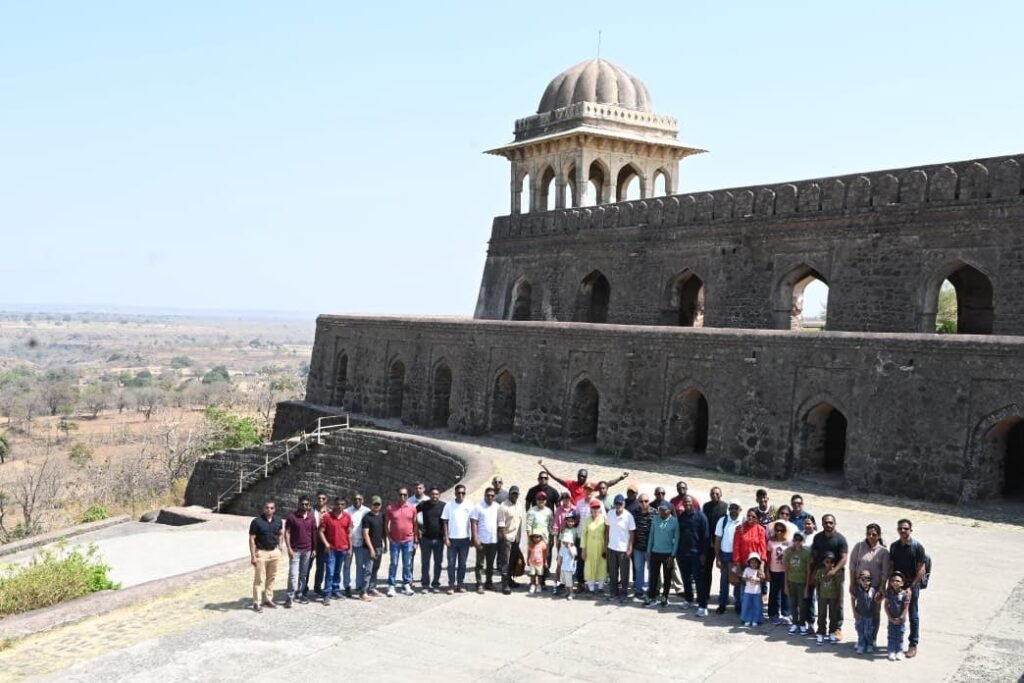
This cultural excursion underscores the Indian Army’s commitment to holistic training. By bridging the gap between the high-tech war rooms of the AWC and the heritage of the Malwa region, the program ensures that tomorrow’s global military leaders depart India with both tactical prowess and a deep appreciation for its rich cultural diversity.

contact: drrajeshjauhri@gmail.com
Dr Rajesh Jauhri is a Journalist with an experience of over 25 years in Indian and foreign media, a Social Scientist, an Ac-complished Author, a Political & Strategic Analyst, a Marksman (Rifle & Pistol), an Orator, a Thinker and an Educationist. He holds a Ph.D. degree on “Impact of colonial heritage on Indian police”. He runs an NGO dedicated to the social and eco-nomic uplift of tribal communities in MP and two decades back, he established a school in a village of Indore district, providing education and moral values to children belonging to underprivileged and minority families. Has received multiple awards in various fields.