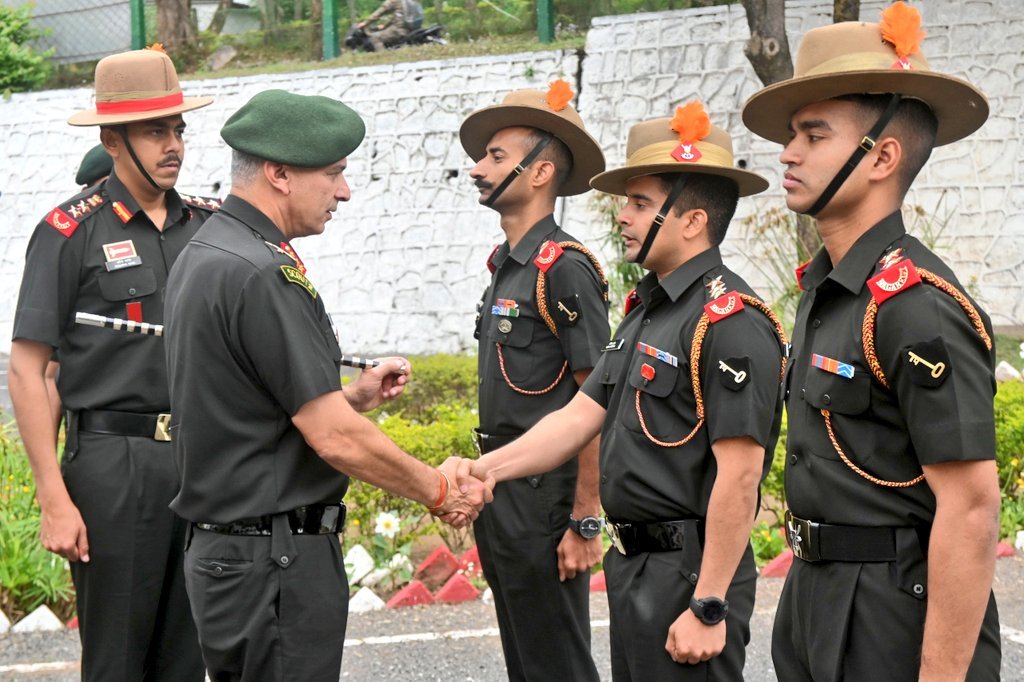
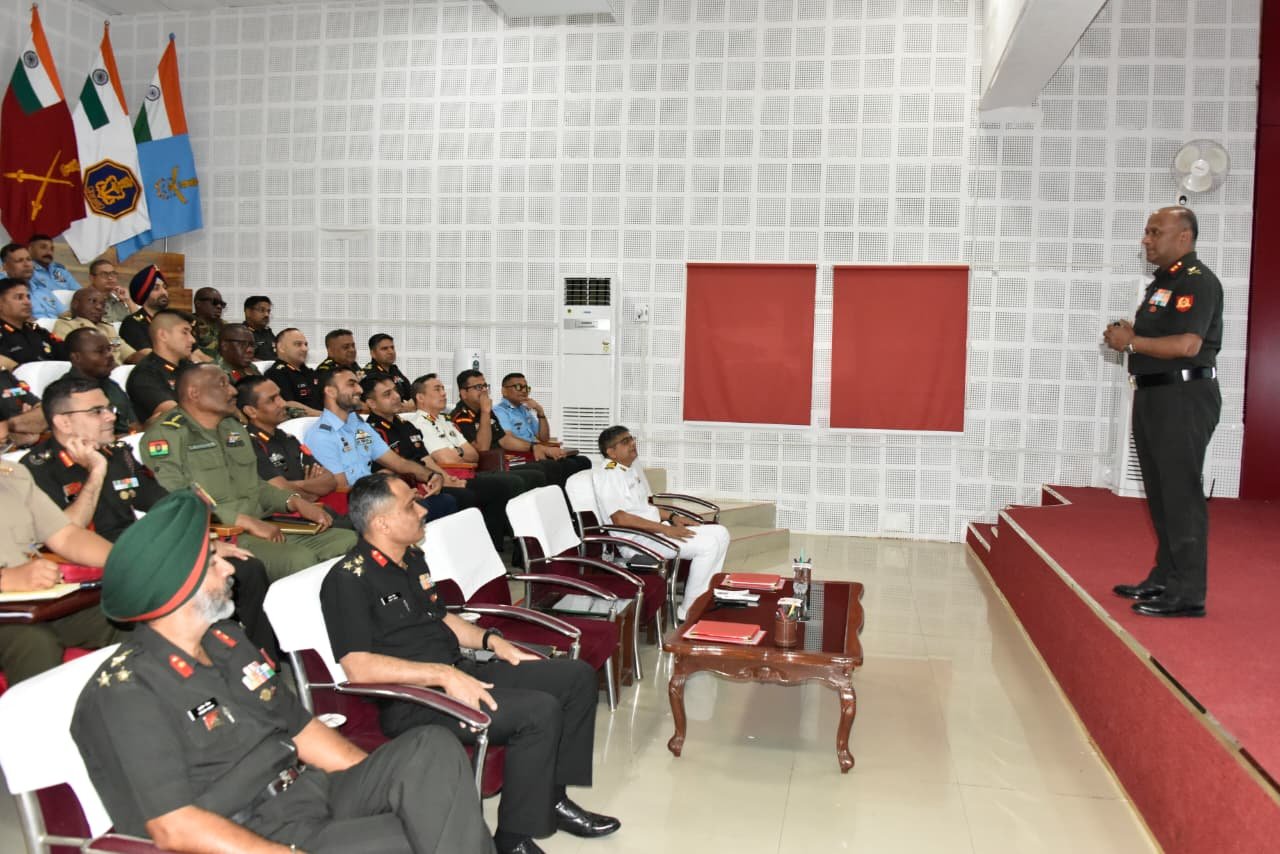
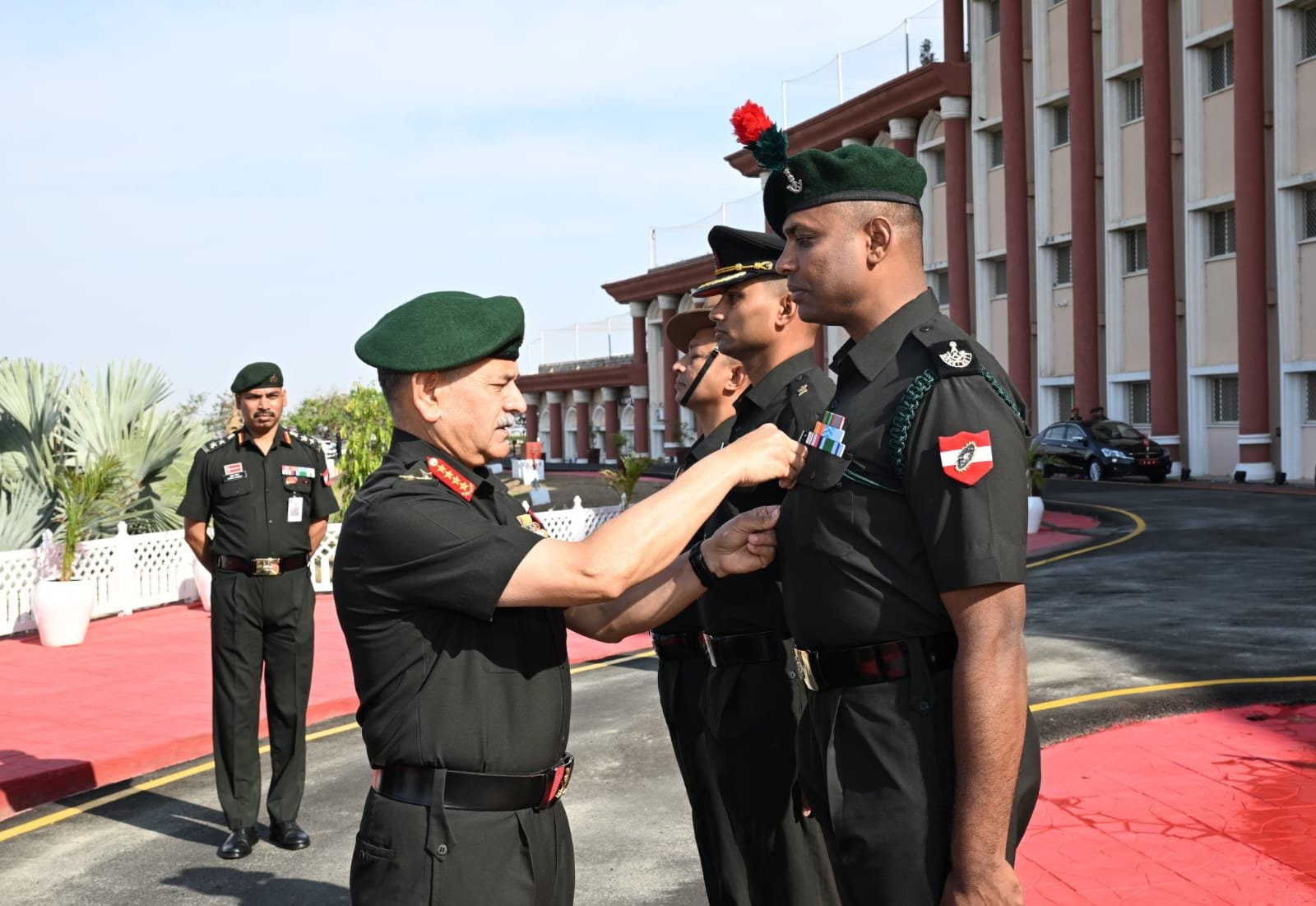
Bhopal: The Chief of the Army Staff General Upendra Dwivedi visited the Indian Army’s Sudarshan Chakra Corps (XXI Corps) and conducted a detailed review of the formation’s operational preparedness, underscoring the Army’s push towards technology-driven modernisation amid evolving security challenges.
According to the official statement issued by the Additional Directorate General of Public Information (ADG PI) of the Indian Army, General Dwivedi was briefed on key operational aspects, including ‘mission readiness’, ongoing joint exercises, battlefield innovations, in-house development initiatives, emerging organisational constructs, ‘AI-enabled transformation’, and Military Civil Fusion.
The Sudarshan Chakra Corps, having its headquarters at Bhopal and part of the Southern Command, is one of the Indian Army’s premier strike formations. Named after Lord Vishnu’s discus weapon, symbolising precision, speed, and decisive power, the corps plays a critical role in India’s conventional deterrence posture, particularly along the western borders. Its capabilities are designed for rapid, high-intensity offensive operations in desert and semi-arid terrains, making technological edge and seamless integration of new systems vital for its effectiveness.
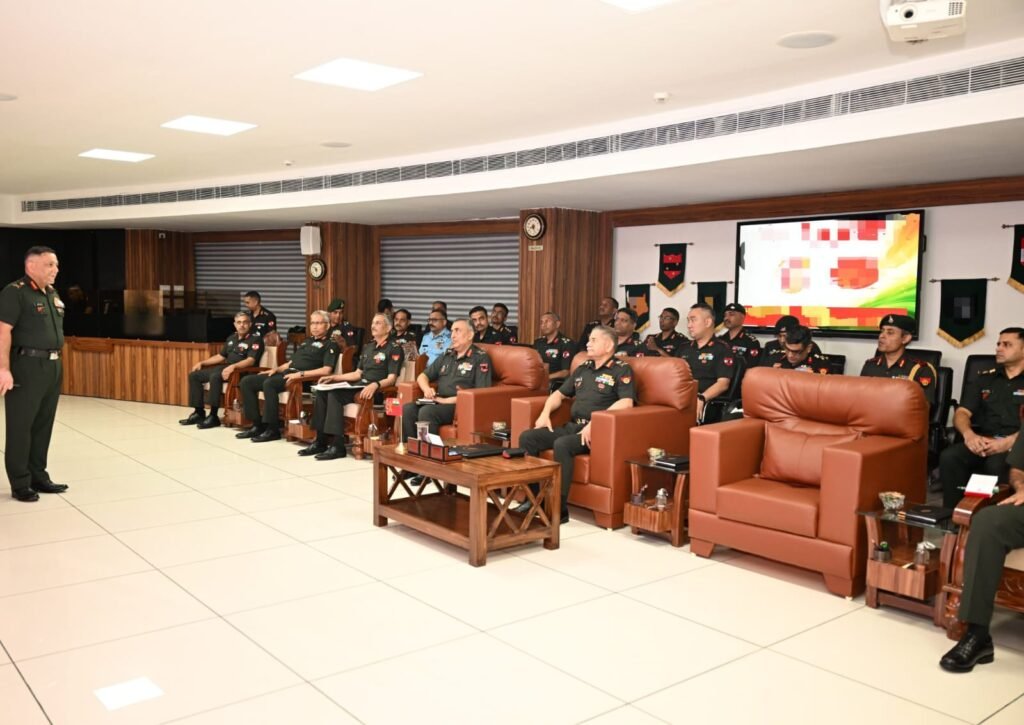
During the visit, the Gen Dwivedi awarded ‘Commendation Cards’ to selected personnel for their outstanding performance and lauded the formation for its professionalism and unwavering commitment. He emphasised the need for sustained efforts towards technology absorption and the development of robust support systems, describing these as central to maintaining operational excellence and building a future-ready force.
This engagement aligns with the Indian Army’s broader ‘Year of Technology Absorption’ and the ongoing ‘Decade of Transformation’ initiatives, which prioritise indigenisation, artificial intelligence, drone warfare, networked systems, and deeper collaboration between the military and civilian industry. In-house development initiatives highlighted during such reviews often include indigenous drone platforms, precision munitions, and AI-driven decision-support tools, areas where the Army has made notable strides in recent years.
Analytically, the focus on AI-enabled transformation and Military- Civil fusion reflects a strategic shift in Indian military thinking. In an era of hybrid and multi-domain warfare, where information dominance, real-time intelligence, and autonomous systems can tilt the balance, strike corps like Sudarshan Chakra must evolve beyond traditional kinetic capabilities. Joint exercises mentioned in the briefing likely encompass tri-service drills and international collaborations that test interoperability, while emerging organisational constructs point to structural reforms aimed at flatter hierarchies and faster decision cycles.
General Dwivedi’s emphasis on robust support systems, ranging from logistics and maintenance to human resource management, highlights a holistic approach. Combat readiness is not solely about frontline weaponry; it depends equally on reliable sustainment, mental resilience, and family welfare, especially for troops in high-readiness formations that may be deployed at short notice.
The visit also serves as a morale booster for the ranks. By personally interacting with troops and recognising excellence through Commendation Cards, the COAS reinforces the Army’s culture of professional recognition and accountability. Such leadership visibility is particularly important for a strike corps that shoulders significant operational expectations while operating in a dynamic threat environment.
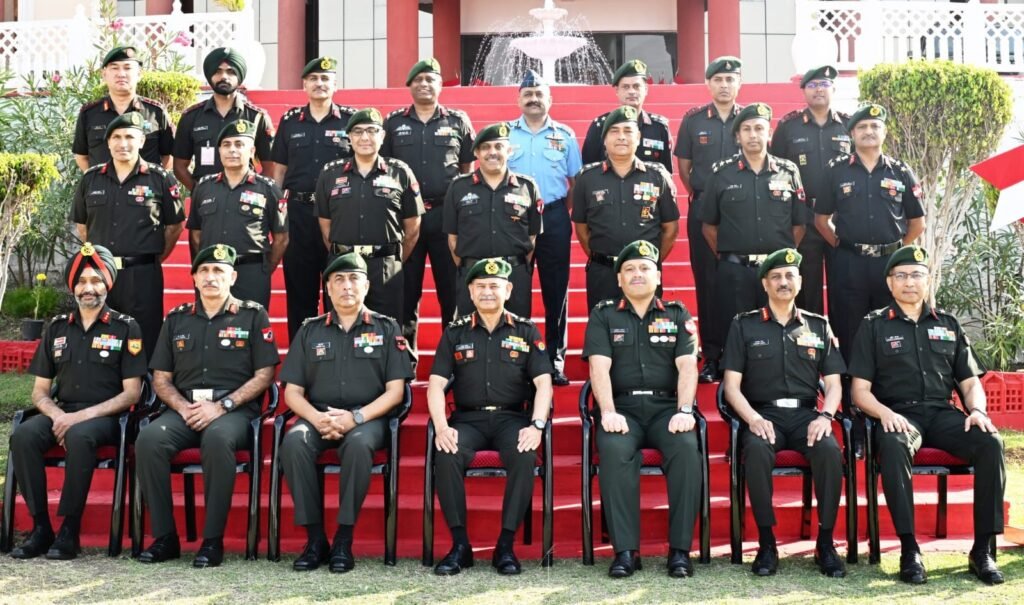
This review comes against the backdrop of the Indian Army’s continued modernisation drive, which includes the integration of advanced sensors, electronic warfare assets, and networked command-and-control systems. For a formation like Sudarshan Chakra Corps, these elements are not abstract concepts but practical necessities for executing deep manoeuvres and achieving battlefield dominance in future conflicts.
As General Dwivedi reiterated, the path to operational excellence lies in relentless adaptation. The Indian Army’s commitment to absorbing cutting-edge technologies while preserving its core values of courage, discipline, and selfless service will remain key to safeguarding national interests in an increasingly complex geopolitical landscape.
The Sudarshan Chakra Corps, with its storied legacy and forward-looking ethos, continues to exemplify this delicate balance between tradition and transformation.
contact: drrajeshjauhri@gmail.com
Dr Rajesh Jauhri is a Journalist with an experience of over 25 years in Indian and foreign media, a Social Scientist, an Ac-complished Author, a Political & Strategic Analyst, a Marksman (Rifle & Pistol), an Orator, a Thinker and an Educationist. He holds a Ph.D. degree on “Impact of colonial heritage on Indian police”. He runs an NGO dedicated to the social and eco-nomic uplift of tribal communities in MP and two decades back, he established a school in a village of Indore district, providing education and moral values to children belonging to underprivileged and minority families. Has received multiple awards in various fields.