
ZEMITHANG, ARUNACHAL PRADESH: High in the eastern reaches of the Himalayas, where the air thins and the peaks of the Kameng sector pierce the clouds, a new kind of outpost has emerged. It isn’t a bunker or a watchtower, but a café.
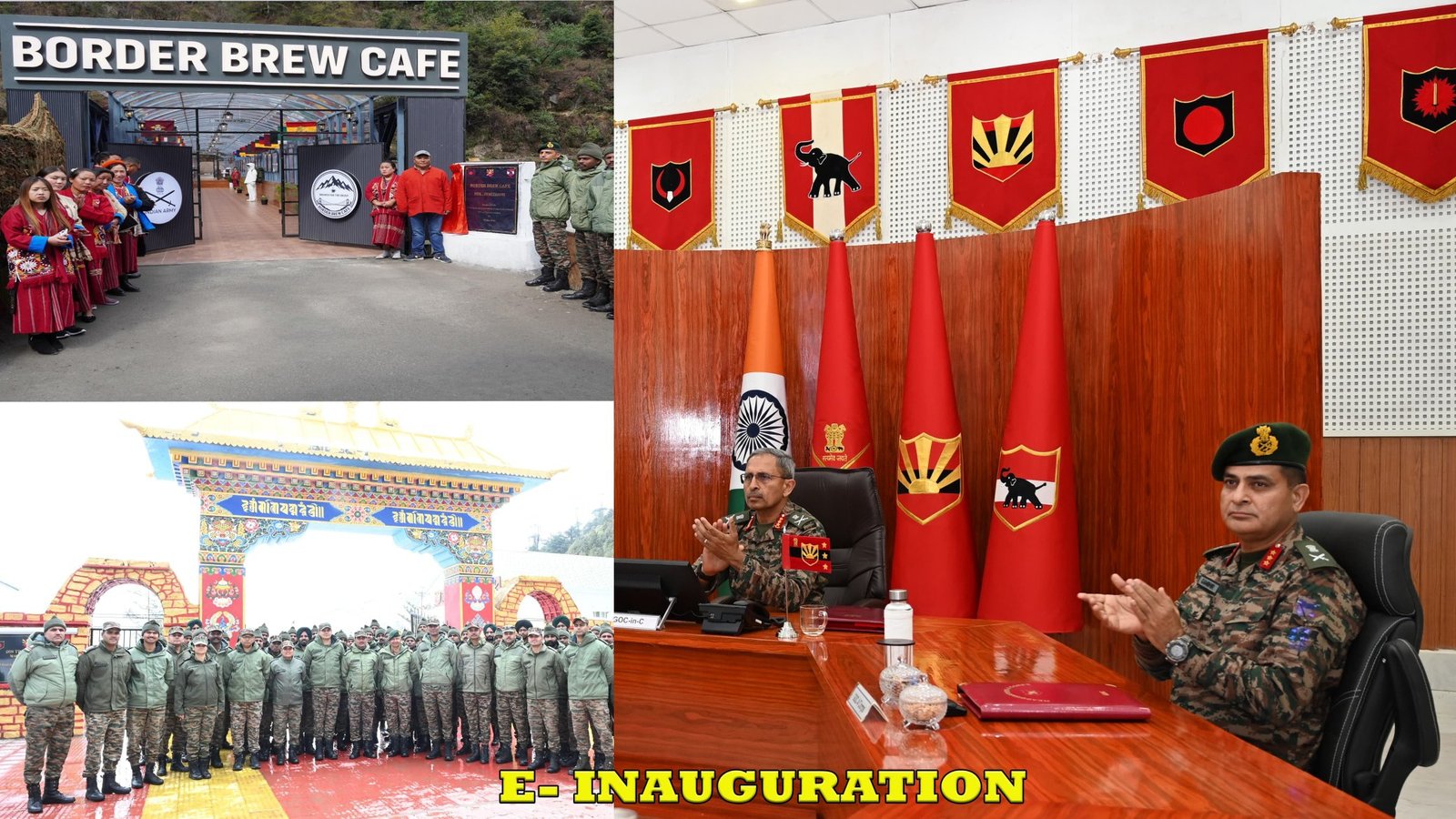
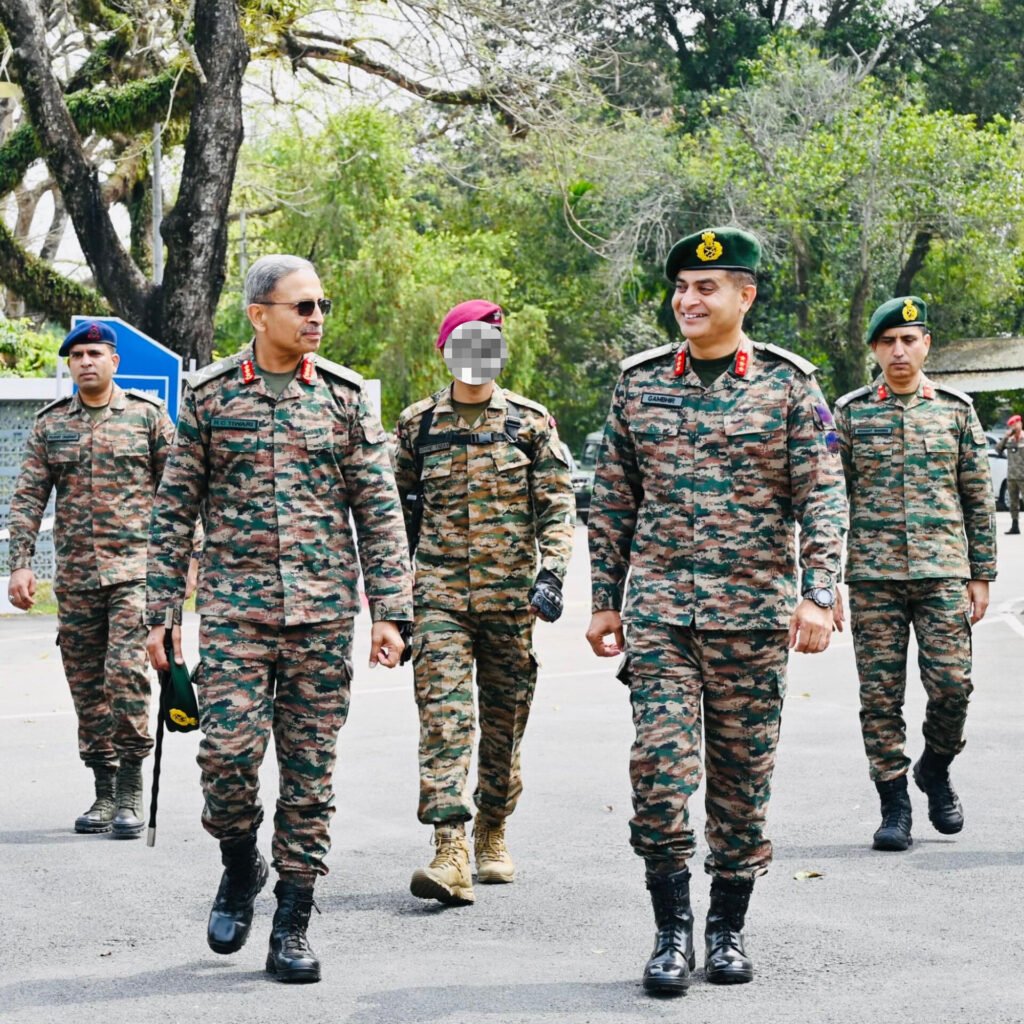
On March 18, 2026, Lieutenant General RC Tiwari, the General Officer Commanding-in-Chief of the Indian Army’s Eastern Command, visited the strategic Gajraj Corps to review a series of initiatives that signal a profound shift in how India manages its sensitive northern borders. Central to this visit was the dedication of the Border Brew Café in Zemithang, a village just kilometers from the Line of Actual Control (LAC).
The Border Brew Café is far from your typical coffee shop. Built in a record 31 days by the Army’s engineers, the facility is uniquely perched atop a decommissioned Bailey bridge over the Nyamjang Chu river. More importantly, it is managed entirely by women from the local Monpa community.
The initiative is a flagship project under the Indian government’s Vibrant Village Programme, designed to counter out-migration from remote border areas by creating sustainable livelihoods and boosting tourism. By putting the local community in the driver’s seat, the Army is transforming Zemithang, the very place where the 14th Dalai Lama first entered India in 1959, into a cultural and tourism hub.
Beyond the social outreach, the Army Commander’s visit underscored a significant upgrade in combat and logistical readiness. Lt Gen Tiwari dedicated a newly established Transit Facility in the Kameng Himalayas, a vital cog in the machinery that sustains troops in one of the world’s most inhospitable terrains.
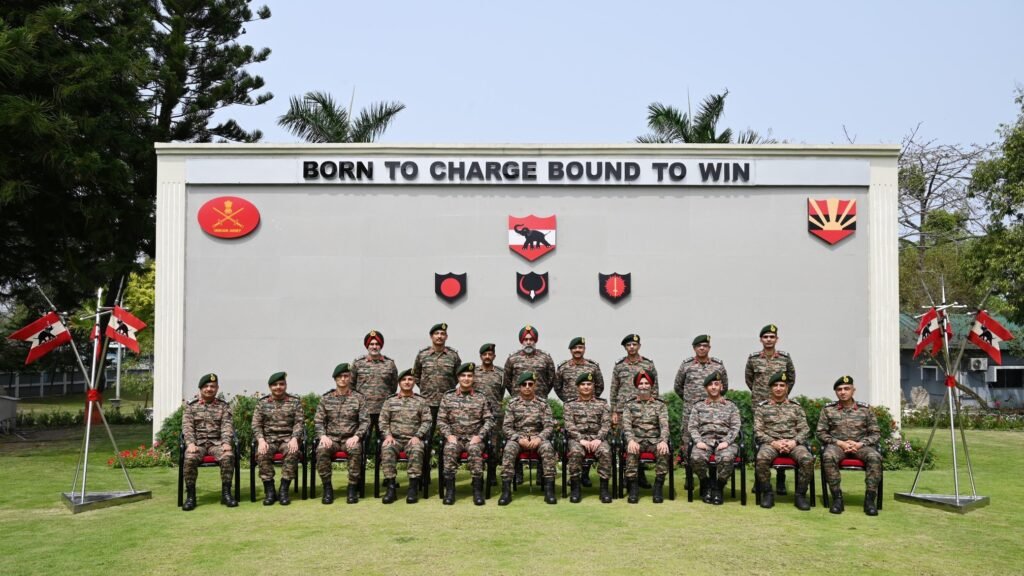
The Gajraj Corps, responsible for the defense of this sector, has recently been in the spotlight for its “in-house” innovations, including a high-altitude monorail system designed to ferry supplies across steep, snow-choked gradients. During his interaction with the troops, the Army Commander lauded the Corps for its “professionalism and consistently high standards,” noting that the combination of hardened infrastructure and deep community ties is essential for regional security.
The visit highlights a broader geopolitical strategy. As neighboring forces develop ‘model villages’ on their side of the border, India’s response through the Vibrant Village Programme focuses on ‘human-centric’ security. By ensuring that villages like Zemithang have modern amenities, economic opportunities, and a reason for the youth to stay, the Indian Army is reinforcing the border not just with steel and concrete, but with a thriving, loyal population.
In the Kameng Himalayas, the aroma of fresh coffee at the Border Brew Café is now as much a part of the landscape as the sound of mountain winds, a symbol of a border that is moving away from isolation and toward integration.
contact: drrajeshjauhri@gmail.com
Dr Rajesh Jauhri is a Journalist with an experience of over 25 years in Indian and foreign media, a Social Scientist, an Ac-complished Author, a Political & Strategic Analyst, a Marksman (Rifle & Pistol), an Orator, a Thinker and an Educationist. He holds a Ph.D. degree on “Impact of colonial heritage on Indian police”. He runs an NGO dedicated to the social and eco-nomic uplift of tribal communities in MP and two decades back, he established a school in a village of Indore district, providing education and moral values to children belonging to underprivileged and minority families. Has received multiple awards in various fields.