
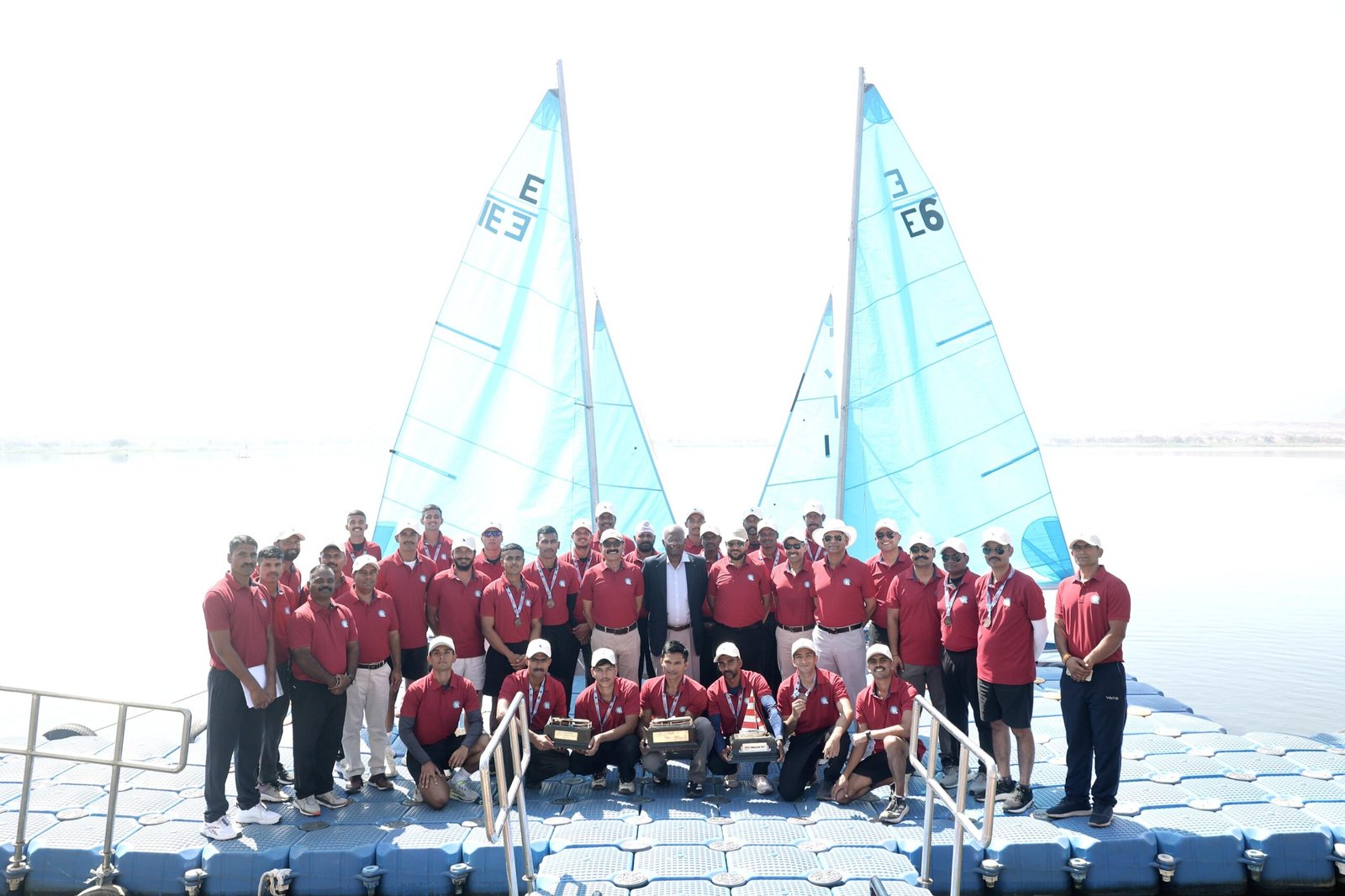
Mhow, March 6, 2026: In a dazzling display of nautical skill and unyielding esprit de corps, the 22nd edition of the Central Command Sailing Regatta concluded at the serene Bercha Lake here on Friday, underscoring the Indian Armed Forces’ commitment to fostering adventure sports as bedrock for leadership and teamwork.
Organized by the prestigious Army War College (AWC), Mhow, under the aegis of Central Command, the three-day extravaganza featured an array of high-octane categories, including Enterprise Class sailing, Kayak Singles, and Kayak Doubles. Over 77 participants from the Army, Navy, and Air Force vied for glory, their manoeuvres on the lake’s glassy surface a testament to precision, strategy, and the indomitable sporting spirit that defines military excellence.
The Golden Key Division clinched the overall championship in the fiercely contested Enterprise Class sailing event, outpacing rivals with masterful tacking and wind mastery. In the kayaking arenas, the Uttar Bharat Area team dominated, securing top honors in both Singles and Doubles, their synchronized strokes echoing the rhythm of disciplined operations.
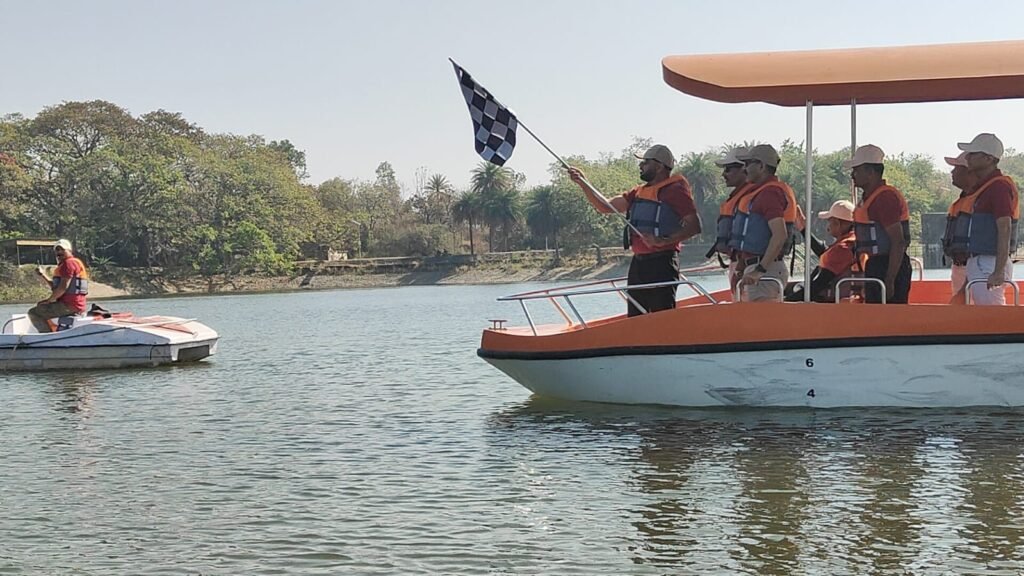
The ceremony brimmed with pageantry as distinguished guests Lt Gen Gajendra Joshi, Commandant of the Infantry School, and Lt Gen HS Sahi, Commandant of AWC, presided over the proceedings. Special guests included Maj Gen Gautam Mahajan, Deputy Commandant and Chief Instructor of the Military College of Telecommunication Engineering (MCTE), and Maj Gen Jitendra Singh, Dean, Faculty of Studies, AWC. Maj Gen MS Pillai (retired), Vice President of Yachting Association of India and a distinguished Global Personality in the field of sailing was also present at the Bercha Lake. The luminaries presented gleaming trophies and medals, their commendations amplifying the victors’ sense of achievement.
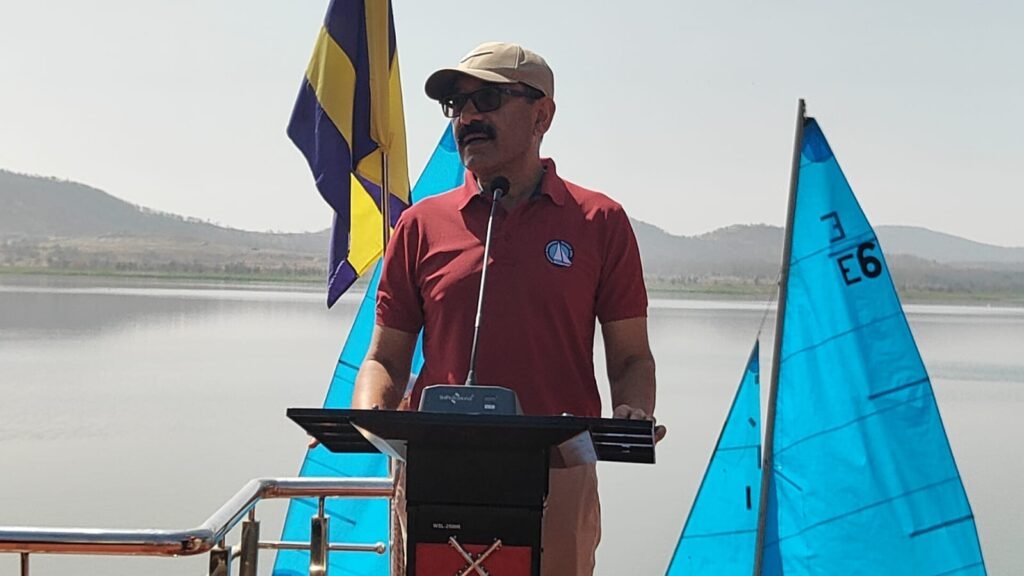
In his stirring closing address, Lt Gen Joshi lauded the competitors’ exemplary sportsmanship, remarking, “Adventure sports like these are not mere pastimes; they are crucibles that forge leadership qualities and unbreakable camaraderie among our warriors.” He highlighted how such events sharpen tactical acumen, mirroring the demands of modern warfare where adaptability and resilience are paramount.
AWC’s press release revealed that this annual spectacle is meticulously timed to align with the Joint Capsule of the Higher Command Course, blending professional development with physical rigor. A standout feature was the enthusiastic participation of young officer cadets from MCTE, who held their own against battle-hardened veterans, injecting fresh vigor into the competition. To infuse levity amid the intensity, soldiers and their families joined in fun-filled adventure kayak and paddle boat races, eliciting roars of applause from the shoreside audience and reinforcing the event’s role in bolstering family bonds within the defense fraternity.
The Storied Waters: A Brief History of Bercha Lake
Nestled 15 kilometers from the bustling Mhow Cantonment in Madhya Pradesh, Bercha Lake stands as a tranquil jewel amid the region’s undulating terrain, its origins deeply intertwined with colonial engineering and post-independence stewardship. Constructed in 1940 during British rule, the reservoir was primarily engineered to meet the drinking water needs of the cantonment, featuring a modest dam that harnesses the seasonal flows of the Bercha River. This strategic water body quickly evolved into a multifaceted asset, supporting irrigation for surrounding farmlands while serving as a recreational haven.
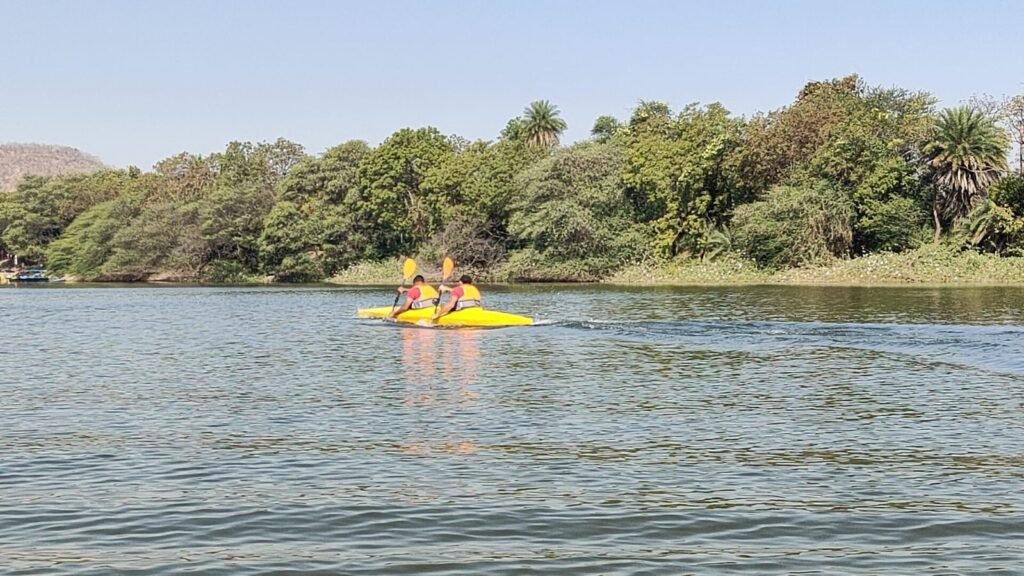
Post-1947, maintenance responsibilities were shared between the Indian Army and the Madhya Pradesh Government, transforming the lake into a secure enclave under military oversight, accessible primarily to Defence personnel for activities like boating and kayaking. Today, it doubles as a premier picnic spot, shaded by an ancient giant banyan tree that whispers tales of bygone eras, and hosts watermanship training for the armed forces, blending utility with natural splendor. Bercha’s evolution from a utilitarian reservoir to a symbol of serene military leisure underscores its enduring role in sustaining both life and legacy in the heart of Central India.
Navigating Tradition: The Evolution of the Central Command Sailing Regatta
Since its inaugural voyage in April 2005, the Central Command Sailing Regatta has sailed steadfastly into the annals of Indian military sporting heritage, emerging as a flagship fixture in the Command’s aquatic calendar. Hosted annually by the Bercha Watermanship Training Area (BWTA) of the Army War College, Mhow, the event was conceived to galvanize inter-service participation and hone water-based skills essential for operational readiness.
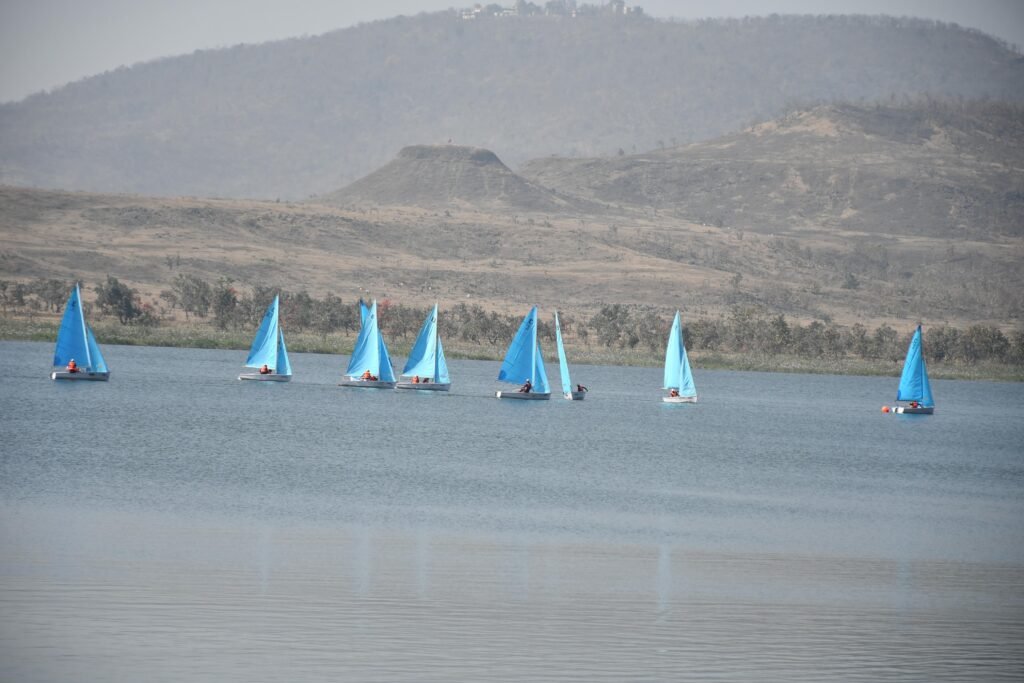
What began as a modest gathering of sailing enthusiasts has burgeoned into a tri-service spectacle, drawing contingents from the Army, Navy, and Air Force to compete in diverse formats, from dinghy races to kayaking sprints. The 22nd edition in 2026 marks two decades of this tradition, synchronized with AWC’s Higher Command Course to infuse strategic discourse with the adrenaline of competition. Over the years, it has not only celebrated victors like the Golden Key Division but also championed inclusivity, with family-oriented races fostering morale. As Lt Gen Joshi noted, the regatta’s legacy lies in its power to “nurture leaders who command both seas and storms,” ensuring its sails remain billowed for generations.
Winds of Change: Sailing as a Timeless Sport of Strategy and Endurance
Sailing’s tapestry as a competitive sport unfurls from the windswept canals of 17th-century Holland, where early recreational yachting laid the keel for formalized races amid the Dutch Golden Age’s maritime prowess. By the 18th century, exclusivity gave way to organization: the Clyde Racing Club in Scotland (1750) and the New York Yacht Club (1844) pioneered regattas, codifying rules that blended leisure with rivalry.
The sport caught the global zephyr with its Olympic debut at the 1900 Paris Games, where erratic weather tested 14 nations across six events, cementing sailing’s status as a blue-water ballet of tactics and tenacity, though absent from the 1896 Athens lineup due to Gales. Governance arrived in 1907 with the International Yacht Racing Union (now World Sailing), standardizing classes from Optimists to keelboats and propelling the sport’s inclusion in every Summer Olympics since 1900 (save 1896).
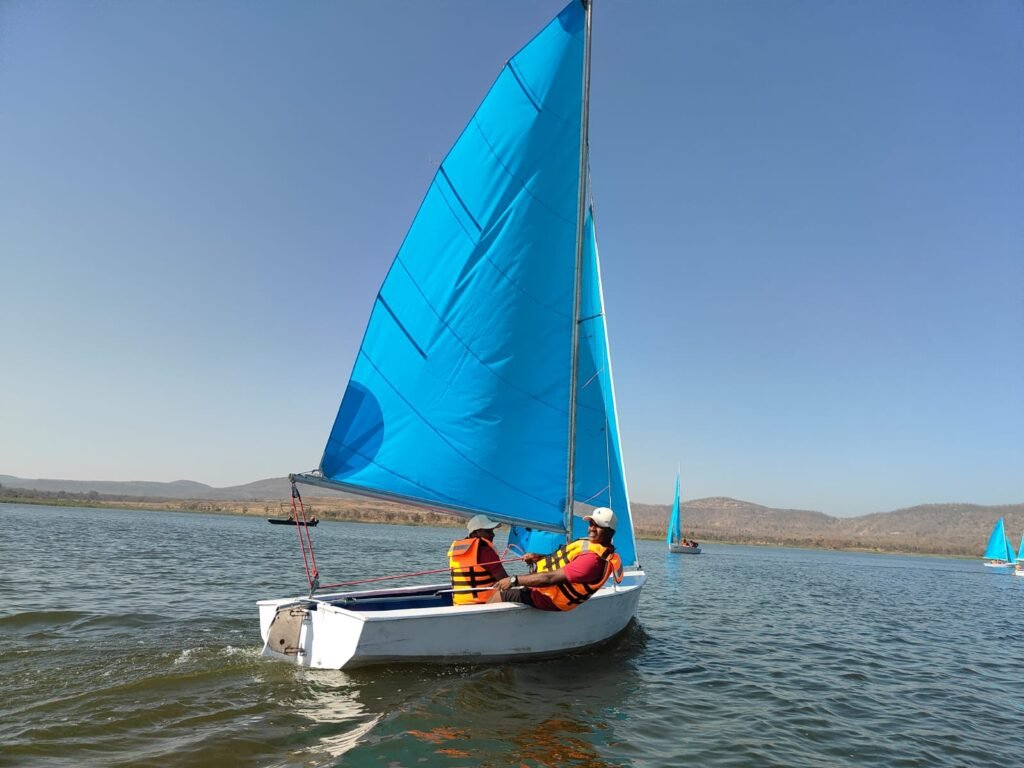
Beyond podiums, sailing’s essence harnessing wind, wave, and will, has mirrored human exploration, from ancient Polynesian voyagers to modern America’s Cup showdowns. In military contexts, it sharpens navigation and crisis management, much like the regatta at Bercha, where sails symbolize not just speed, but the strategic depth that wins wars.

contact: drrajeshjauhri@gmail.com
Dr Rajesh Jauhri is a Journalist with an experience of over 25 years in Indian and foreign media, a Social Scientist, an Ac-complished Author, a Political & Strategic Analyst, a Marksman (Rifle & Pistol), an Orator, a Thinker and an Educationist. He holds a Ph.D. degree on “Impact of colonial heritage on Indian police”. He runs an NGO dedicated to the social and eco-nomic uplift of tribal communities in MP and two decades back, he established a school in a village of Indore district, providing education and moral values to children belonging to underprivileged and minority families. Has received multiple awards in various fields.