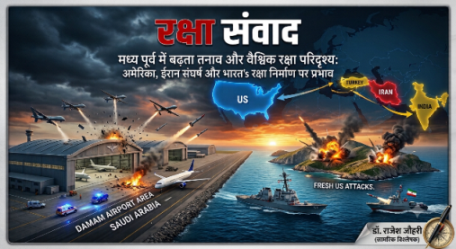
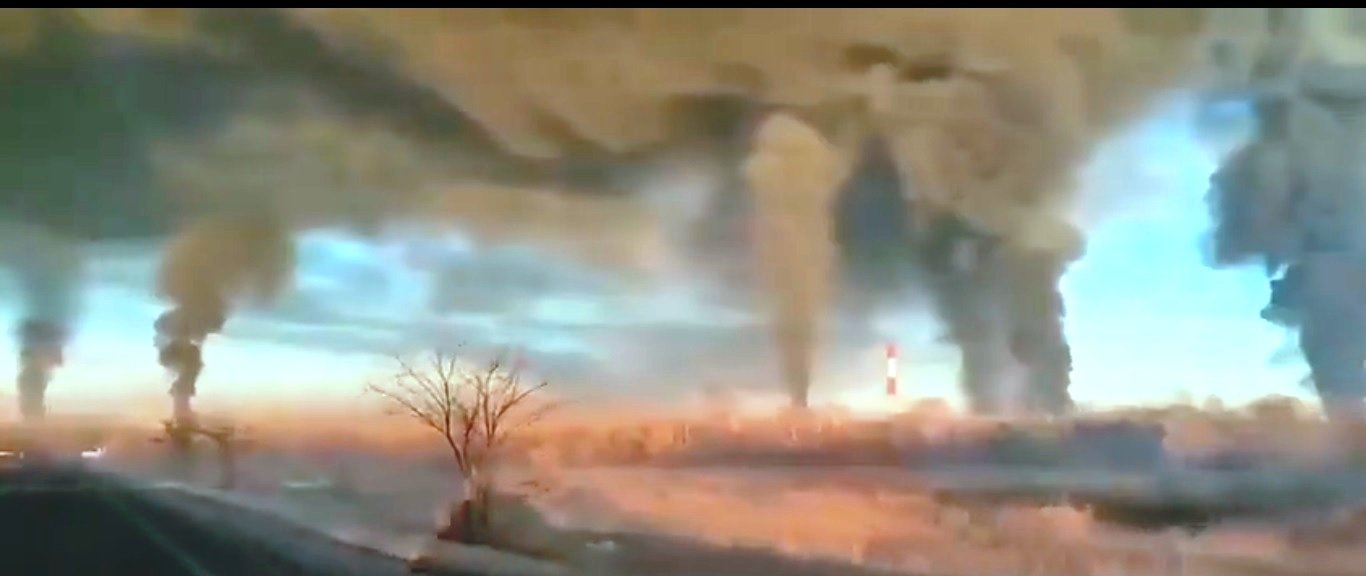
The United States conducted limited defensive strikes on Iran’s strategically vital Qeshm Island in the Strait of Hormuz on 2 November 2026, targeting surface-to-air missile systems after Iranian forces fired on American aircraft, according to multiple US officials. Iranian state media reported several explosions on the island in the early hours of 3 November. Officials characterised the action as a measured response to protect US assets rather than a resumption of major combat operations, though it occurred against the backdrop of an unresolved eight-month conflict that has already disrupted global energy flows.
Keywords: US Qeshm Island strikes, Iran-US conflict escalation, Strait of Hormuz security, Houthi Dammam airport attack, Middle East arms race impacts
Qeshm, the largest island in the Persian Gulf and a key node for Iran’s efforts to influence shipping through the critical waterway, has featured in earlier unpublicised US operations. President Donald Trump described the latest action as a “minor attack” focused on an anti-aircraft facility, while simultaneously signalling that a diplomatic settlement with Tehran “could happen.” Iranian officials reserved the right to respond and insisted any deal must meet their conditions, including sanctions relief and an end to the naval blockade.
In parallel, Iran-aligned Houthi forces in Yemen claimed drone attacks on Saudi Arabia’s King Fahd International Airport in Dammam and related military sites in recent days, following earlier strikes that killed civilians and disrupted air traffic. These incidents form part of a broader pattern of proxy and direct actions that have heightened risks across the Gulf.
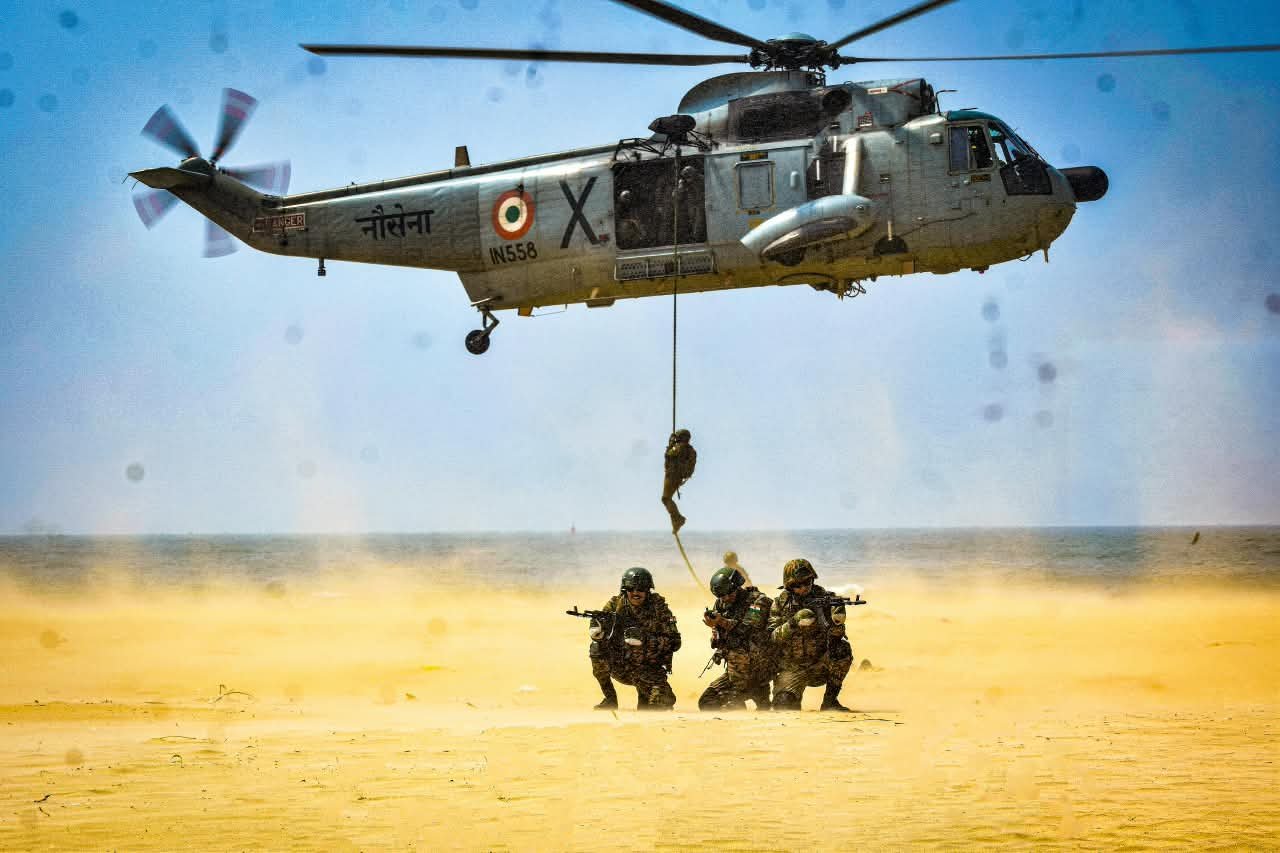
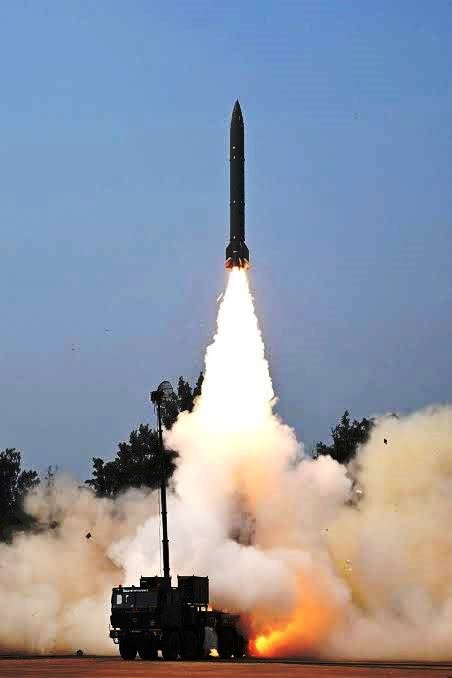
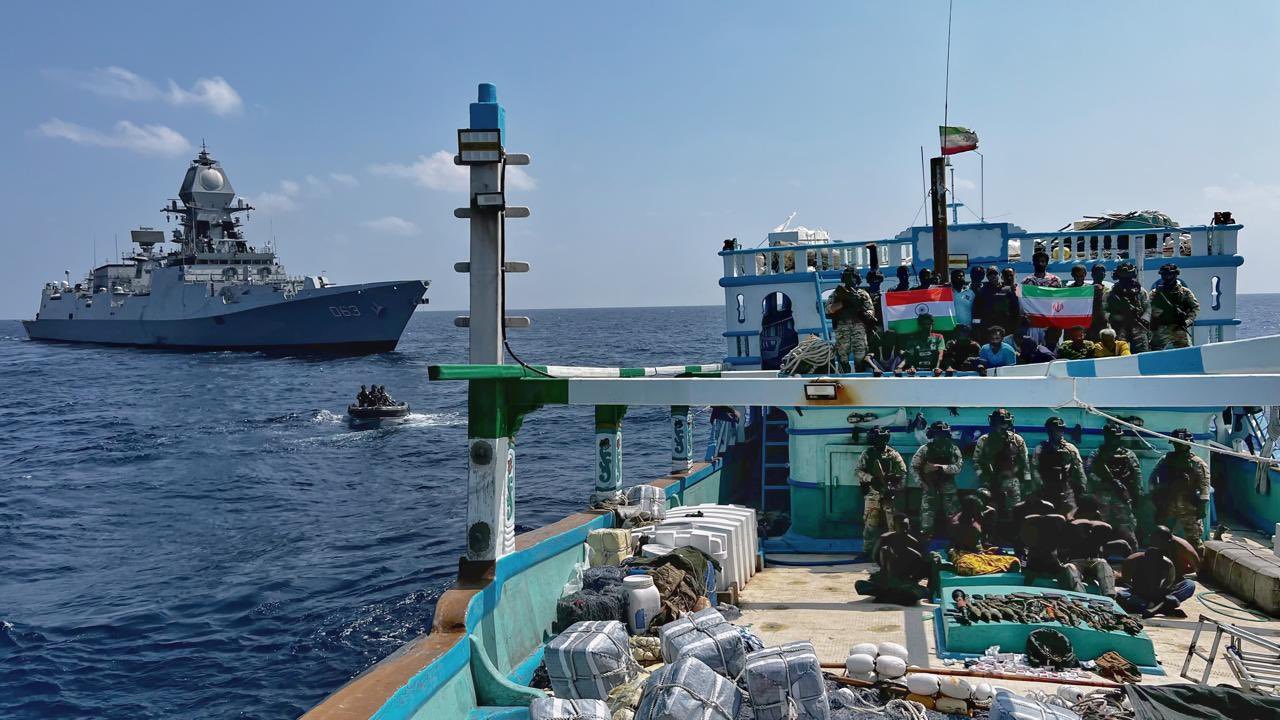
The cumulative escalation is drawing in regional actors and raising the prospect of wider involvement. Gulf states face direct threats to infrastructure and energy exports; Israel has pressed for stronger measures; and external powers are watching closely. The conflict’s persistence has already elevated global oil prices, strained supply chains, and intensified an arms build-up. Defence manufacturers in the United States, Turkey, India and elsewhere stand to see increased demand for munitions, air-defence systems, drones and related equipment as nations reinforce deterrence postures. ‘Make in India’ initiatives have started proving their worthiness as a large no of private players and start-up owners are doing great things in the fields of defence equipment, arms and armaments in the whole country.
Beyond the Middle East, the developments contribute to a more fragmented international security environment. Energy-importing economies confront higher costs and potential shortages, while diplomatic bandwidth is diverted from other flashpoints. The risk of miscalculation remains elevated, with the Strait of Hormuz’s vulnerability underscoring how localised military actions can rapidly acquire global economic and strategic consequences. Continued calibrated operations, proxy activity and parallel diplomacy will determine whether the current phase stabilises or expands further.

contact: drrajeshjauhri@gmail.com
Dr Rajesh Jauhri is a Journalist with an experience of over 25 years in Indian and foreign media, a Social Scientist, an Ac-complished Author, a Political & Strategic Analyst, a Marksman (Rifle & Pistol), an Orator, a Thinker and an Educationist. He holds a Ph.D. degree on “Impact of colonial heritage on Indian police”. He runs an NGO dedicated to the social and eco-nomic uplift of tribal communities in MP and two decades back, he established a school in a village of Indore district, providing education and moral values to children belonging to underprivileged and minority families. Has received multiple awards in various fields.