
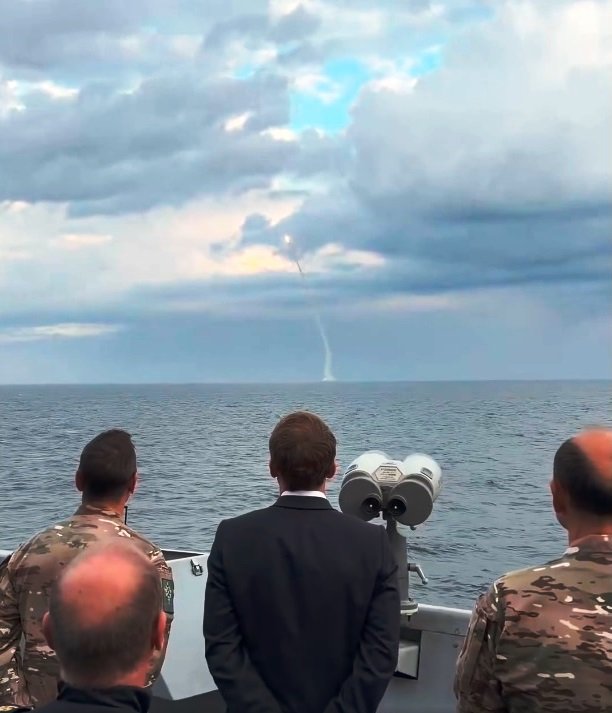
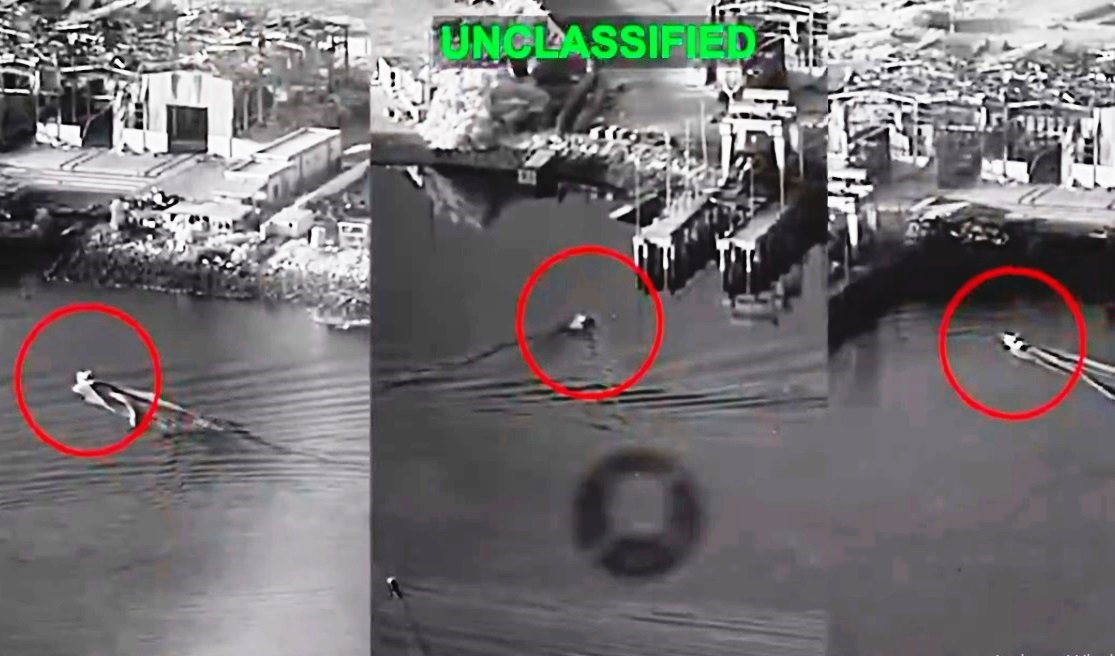
In a landmark development that signals a shift in modern naval operations, the United States has employed one-way attack unmanned surface vessels (USVs) in combat for the first time. On July 12, US Central Command (CENTCOM) forces used three Saronic Corsair autonomous sea drones to strike a submarine and ship maintenance facility at Iran’s Bandar Abbas Naval Base. The precision operation, captured in released footage, targeted key Iranian naval infrastructure amid escalating tensions in the Strait of Hormuz.
Keywords: sea drones combat, US Corsair USV Iran strike, unmanned surface vessels naval warfare, Saronic sea drones Middle East, Ukraine Russia sea drone impact, autonomous kamikaze boats future warfare.
The Corsair, developed by Saronic Technologies, represents a new generation of maritime systems. Measuring approximately 24 feet in length, these diesel-powered vessels can achieve speeds exceeding 35 knots, carry payloads up to 1,000 pounds, and operate over ranges greater than 1,000 nautical miles. Designed for multi-mission roles including kinetic strikes, the drones executed a kamikaze-style assault, highlighting their effectiveness in high-risk environments without endangering manned crews.
This debut marks a significant evolution from experimental deployments. Earlier this year, a Corsair USV demonstrated life-saving capabilities by assisting in the recovery of downed U.S. Army aviators off Oman. The transition to offensive operations underscores rapid advancements in autonomous systems integration within the U.S. Navy’s hybrid fleet strategy.
Strategic Implications for Contemporary Conflicts
The use of sea drones echoes and amplifies lessons from the Russia-Ukraine war. Since 2023, Ukrainian forces have leveraged low-cost maritime drones like the Magura and Sea Baby to devastating effect against Russia’s Black Sea Fleet. These systems have sunk or damaged numerous vessels, forced fleet repositioning, and disrupted logistics at a fraction of the cost of traditional anti-ship missiles. Ukraine’s innovations have effectively democratized naval power projection for smaller navies.
In the Middle East, the implications are equally profound. Iran’s asymmetric naval tactics, reliant on fast-attack craft and proxies, now face a potent counter in swarming, autonomous USVs. Such systems could neutralize threats in chokepoints like the Strait of Hormuz, safeguard commercial shipping, or conduct strikes deep into contested littoral zones. For non-state actors such as the Houthis, the technology raises concerns over potential proliferation and escalated disruption to global energy routes.
Experts view this as part of a broader revolution in warfare, where quantity, autonomy, and affordability challenge traditional platform supremacy. Large surface combatants must now contend with persistent, low-observable threats that are difficult to detect and intercept in congested waters. Counter-drone measures, including directed energy weapons and electronic warfare, will become critical priorities.
For the US and its allies, this capability enhances deterrence while reducing risk to personnel. However, it also accelerates an arms race in unmanned maritime systems, with China and others investing heavily in similar technologies.
As hybrid conflicts proliferate, sea drones are poised to redefine naval dominance. Nations ignoring this shift risk obsolescence in an era where the unmanned domain increasingly dictates outcomes at sea. Defence Chronicle will continue monitoring these developments as they reshape global security dynamics.

contact: drrajeshjauhri@gmail.com
Dr Rajesh Jauhri is a Journalist with an experience of over 25 years in Indian and foreign media, a Social Scientist, an Ac-complished Author, a Political & Strategic Analyst, a Marksman (Rifle & Pistol), an Orator, a Thinker and an Educationist. He holds a Ph.D. degree on “Impact of colonial heritage on Indian police”. He runs an NGO dedicated to the social and eco-nomic uplift of tribal communities in MP and two decades back, he established a school in a village of Indore district, providing education and moral values to children belonging to underprivileged and minority families. Has received multiple awards in various fields.