
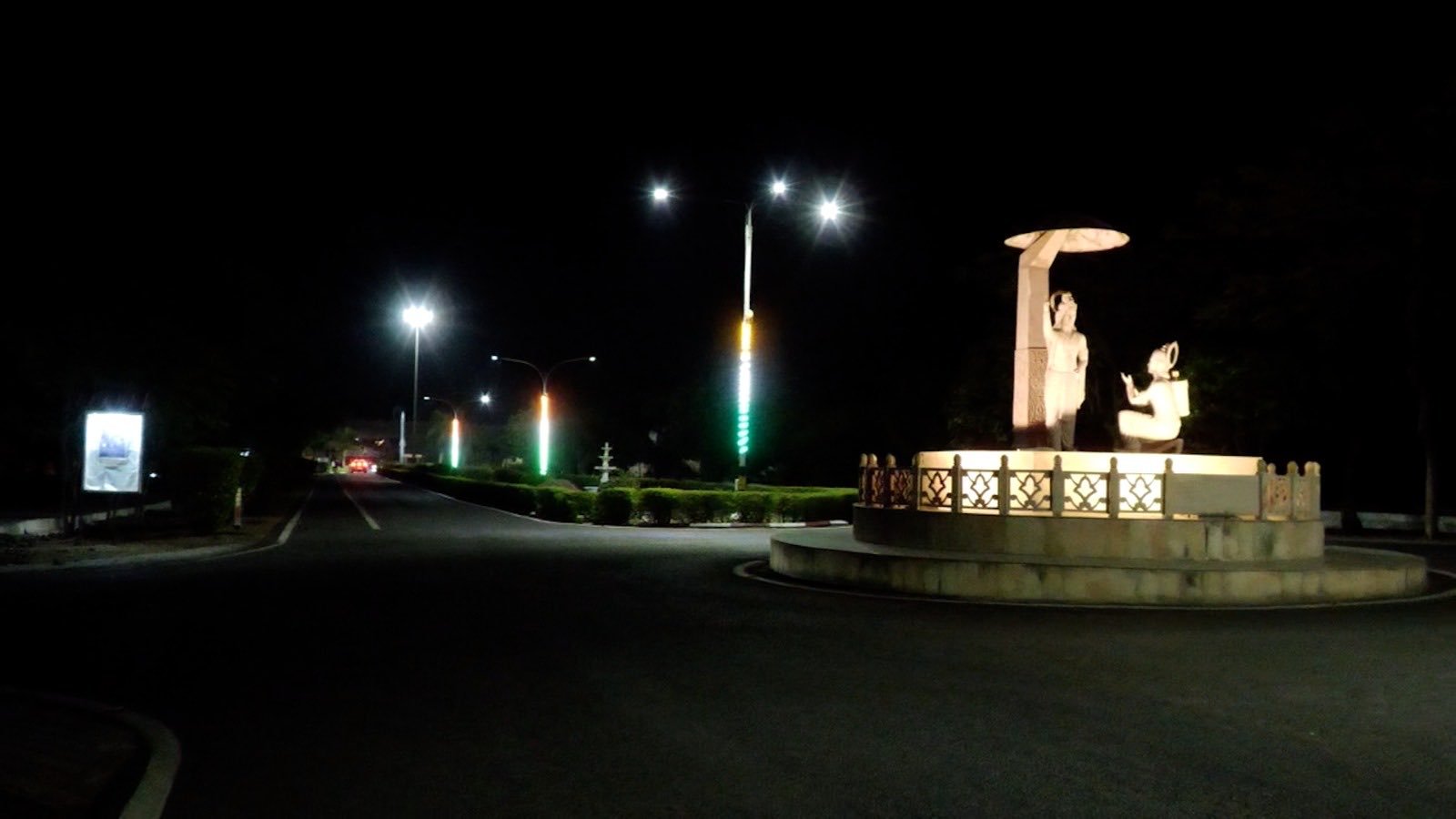
Mhow, India: The Army War College (AWC), Mhow, a cornerstone of the Indian Army’s professional military education, switched off all non-essential lighting on 28 March 2026 from 20:30 to 21:30 hours as part of the worldwide Earth Hour 2026 campaign. The move, announced by the institution’s official channels, underscores the Indian Armed Forces’ active support for environmental sustainability and collective climate action.
Earth Hour, organised annually by the World Wide Fund for Nature (WWF), is one of the largest grassroots environmental movements on the planet. Now in its 20th year, the initiative invites governments, businesses, landmarks, and citizens across more than 190 countries to turn off non-essential lights for one hour at 8:30 pm local time. The symbolic gesture aims to raise awareness of climate change, energy conservation, and the power of unified global effort.
In its statement, the Army War College described Earth Hour as “an hour dedicated to Mother Earth… about solidarity, hope & power of collective action.” By participating, AWC aligned itself with India’s flagship #MissionLiFE (Lifestyle for Environment) programme, a nationwide citizen-centric initiative launched by the Ministry of Environment, Forest and Climate Change to foster sustainable living patterns.
The AWC’s decision carries particular significance given its role as the Indian Army’s premier tactical training and doctrinal research centre. Located in Mhow, Madhya Pradesh, the college trains thousands of senior officers from the Army, other services, and friendly foreign armed forces each year in modern warfare, logistics, leadership, and joint operations. Its participation demonstrates that even high-readiness military establishments are integrating environmental responsibility into their institutional ethos—an increasingly important consideration as armed forces worldwide confront the security implications of climate change, from extreme weather events to resource conflicts.
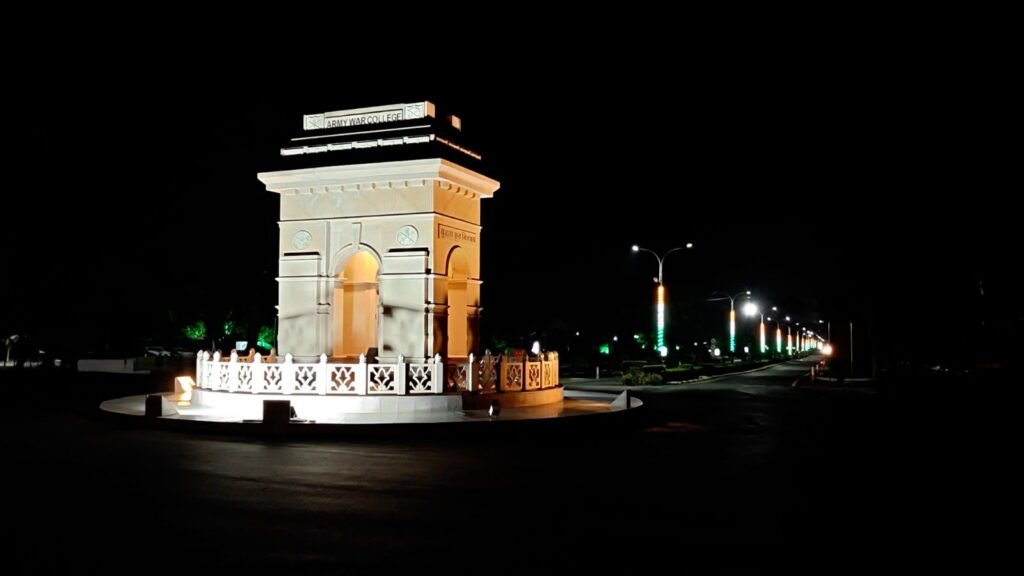
The initiative is not isolated. The Indian Army’s Additional Directorate General of Public Information (ADGPI) had earlier confirmed that formations and units across the country would observe Earth Hour by extinguishing non-essential lights, signalling a service-wide commitment. Training establishments such as the AWC, under the Army Training Command, are ideally placed to embed sustainability principles in the professional development of future military leaders.
Defence analysts note that modern militaries are among the largest institutional consumers of energy. Voluntary participation in movements such as Earth Hour serves both symbolic and practical purposes: it raises internal awareness, reduces avoidable carbon emissions during peacetime, and projects a responsible image to domestic and international audiences. For India, it also reinforces the synergy between national security institutions and the government’s broader climate and environmental objectives.
By joining millions of individuals and organisations worldwide on 28 March, the Army War College, Mhow, added its voice to a simple yet powerful message: meaningful environmental action begins with collective, visible steps. In an era where climate resilience is recognised as a strategic imperative, such gestures from premier defence training institutions carry weight far beyond the hour of darkness.

contact: drrajeshjauhri@gmail.com
Dr Rajesh Jauhri is a Journalist with an experience of over 25 years in Indian and foreign media, a Social Scientist, an Ac-complished Author, a Political & Strategic Analyst, a Marksman (Rifle & Pistol), an Orator, a Thinker and an Educationist. He holds a Ph.D. degree on “Impact of colonial heritage on Indian police”. He runs an NGO dedicated to the social and eco-nomic uplift of tribal communities in MP and two decades back, he established a school in a village of Indore district, providing education and moral values to children belonging to underprivileged and minority families. Has received multiple awards in various fields.